• April 30, 2026

Hejazi Goats: A Native Breed of the Arabian Peninsula

A Comprehensive Guide to the Specifications and Characteristics of Hejazi Goats

Introduction

The Hejazi goat is one of the most well-known goat breeds found in the Hejaz region of Saudi Arabia. It represents a symbol of agricultural and pastoral heritage in the area.

This breed possesses unique characteristics and genetic traits that have attracted the attention of breeders and researchers, making it a desirable choice for both traditional and commercial farming systems.

Origin and History

The Hejazi goat originated in the historic regions of the Hejaz, where mountainous terrain and natural grazing lands played a major role in shaping its current traits.

Historical accounts and studies suggest that this breed evolved through adaptation to harsh environments and diverse grazing conditions, giving it strong resilience and flexibility in coping with changing climates.

Physical Characteristics of Hejazi Goats

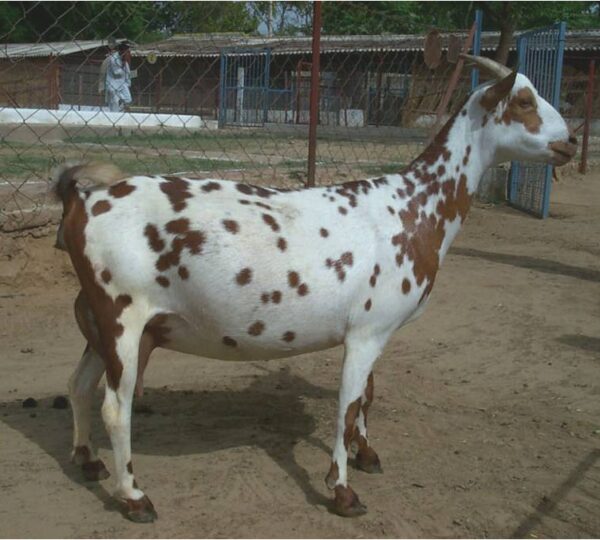
Size: Medium-sized compared to other goat breeds, with a strong body and well-developed muscles.

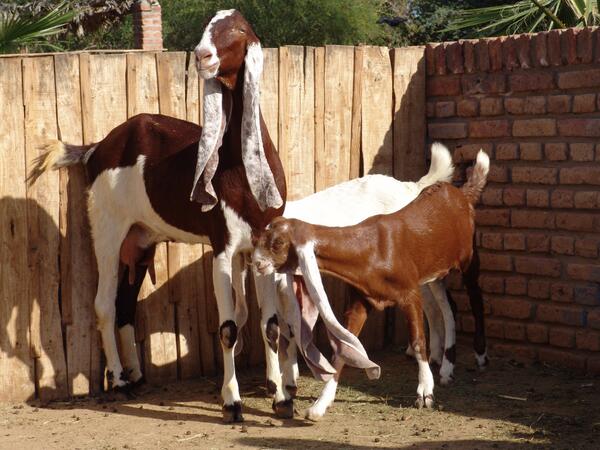
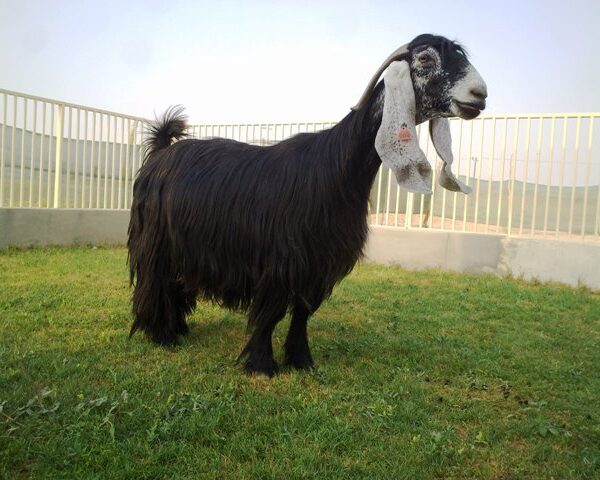
Head: Medium-sized with a broad forehead and a straight or slightly forward-curving nose. The ears are long and drooping on both sides.

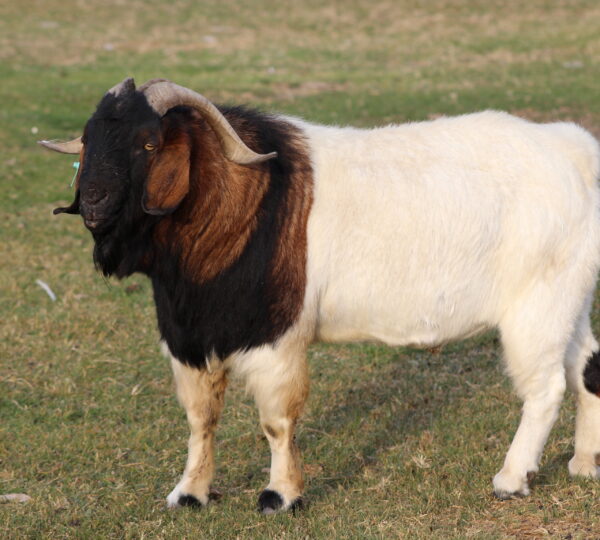
Horns: Most Hejazi goats have medium-length horns that curve backward, although some individuals may be hornless.

Eyes: Wide and expressive, usually dark brown or hazel, giving a sharp and lively appearance.

Coat: The coat ranges from coarse to moderately soft, covering the entire body. Colors vary between black, brown, white, or mixed shades.

Tail: Relatively short and slightly curved upward.

Legs: Strong and relatively long, enabling movement across mountainous and rugged terrain.

Production Characteristics

Milk Production

Hejazi goats are considered good milk producers, with average daily yields ranging from 1 to 2 liters, and occasionally reaching up to 3 liters during peak production.

The milk is rich in fat and protein, making it suitable for traditional dairy products such as cheese.

Meat Production

The meat of Hejazi goats is known for its quality and tenderness, with a desirable taste among local consumers.

Adult males typically weigh between 40 to 55 kg, while females range from 30 to 40 kg. The meat is relatively lean compared to some other breeds.

Fiber Production

Although not primarily raised for fiber, the hair of Hejazi goats is used in traditional crafts such as rope-making, carpets, and tents.

Health and Immunity

High resistance to common diseases in desert environments.

Strong tolerance to heat and drought due to genetic adaptation.

Lower mortality rates among newborns compared to some other breeds.

Reproduction and Fertility

The breeding season typically extends from late summer to early winter.

Females usually give birth to single kids or twins.

Known for a quick return to fertility after kidding.

Females reach reproductive maturity between 8 to 10 months of age.

Behavior and Management

Social by nature, forming small groups during grazing.

Intelligent and easy to train to return to shelters.

Generally calm compared to some other breeds, making them suitable for both home and commercial farming.

Adaptation to the Hejaz Environment

This breed is well suited for grazing in mountainous and arid regions. It can utilize dry shrubs and vegetation that other breeds may not consume.

Hejazi goats are also capable of traveling long distances in search of water and food without significant stress.

Feeding and Care

Require a balanced diet including both concentrated and green feed.

Clean and sufficient water sources are essential, especially during hot seasons.

Regular veterinary care is important to maintain herd health.

Providing shade and shelter protects them from intense sunlight and sandstorms.

Economic and Social Importance

Hejazi goats play a significant role in supporting food security in rural areas by providing milk, meat, and fiber.

They also hold cultural value, often associated with generosity and tradition, and are sometimes presented as gifts during social and tribal occasions.

Challenges Facing Hejazi Goat Breeding

Reduction of natural grazing lands due to urban expansion.

Competition with imported breeds that may offer higher productivity in certain aspects.

The need for structured breeding programs to preserve the purity of the breed.

Conclusion

The Hejazi goat represents an essential part of the economic and social landscape of the Hejaz region. It serves as a bridge between heritage and modern livestock production through its adaptability and unique traits.

Its future depends on breeder awareness and the role of governmental and research institutions in supporting and developing this traditional breed to ensure its sustainability in a rapidly changing environment.

دراسة وافية حول السلالة الأصيلة في شبه الجزيرة العربية

مقدمة

الماعز الحجازي هو أحد أشهر أنواع الماعز المنتشرة في مناطق الحجاز بالمملكة العربية السعودية، ويعد رمزاً للتراث الزراعي والرعوي في المنطقة. تتمتع هذه السلالة بخصائص فريدة ومميزات جينية جعلتها محط اهتمام المربين والباحثين، وإحدى السلالات المرغوبة في عمليات التربية التجارية والتقليدية على حد سواء.

الأصول والتاريخ

ترجع أصول الماعز الحجازي إلى مناطق الحجاز القديمة، حيث لعب المناخ الجبلي والمراعي الطبيعية دوراً أساسياً في تكوين صفاته الحالية. تشير الروايات الشعبية وبعض الدراسات إلى أن هذه السلالة تطورت نتيجة التكيف مع البيئات القاسية وتنوع المراعي، مما أكسبها قدرة تحمل فريدة ومرونة في مواجهة الظروف المناخية المتغيرة.

المظهر الخارجي للماعز الحجازي

الحجم: يُعد الماعز الحجازي متوسط الحجم مقارنة بأنواع الماعز الأخرى، ويتميز بجسم قوي وعضلات بارزة.

الرأس: رأس متوسط الحجم مع جبهة عريضة وأنف مستقيم أو مائل قليلاً للأمام، وأذنان طويلتان متدليتان على الجانبين.

القرون: غالبية الماعز الحجازي يملك قرونًا متوسطة الطول ومقوسة للخلف، إلا أن هناك بعض الأفراد بلا قرون.

العينان: واسعتان، غالبًا ما تكونان بلون بني داكن أو عسلي، وتمنحان نظرة حيوية وحادة.

الصوف والشعر: يمتاز الصوف بكونه خشنًا أو متوسط النعومة، يغطي الجسم بالكامل، وتختلف الألوان بين الأسود، البني، الأبيض، أو خليط بينها.

الذيل: قصير نسبياً ومقوس قليلاً نحو الأعلى.

القوائم: قوية وطويلة نسبيًا، ما يساعدها على التنقل في المناطق الجبلية والوعرة.

الخصائص الإنتاجية للماعز الحجازي

إنتاج الحليب

يُعد الماعز الحجازي من السلالات الجيدة في إنتاج الحليب، إذ تبلغ متوسط الكمية اليومية نحو 1-2 لتر، وقد تصل في بعض الأحيان إلى 3 لترات في فترة الذروة. يمتاز الحليب بتركيز عالٍ من الدهون والبروتين، ما يجعله خيارًا مفضلًا لصناعة الأجبان والمنتجات اللبنية التقليدية.

إنتاج اللحم

تتميز لحوم الماعز الحجازي بجودتها وطراوتها، كما أن مذاقها يُعتبر مرغوبًا لدى سكان المنطقة. وتبلغ أوزان الذكور البالغة عادة بين 40-55 كيلوجرامًا، بينما تراوح الإناث بين 30-40 كيلوجرامًا. ويتميز اللحم بقلة الدهن مقارنة ببعض السلالات الأخرى.

إنتاج الصوف والشعر

رغم أنه ليس المصدر الرئيس للصوف في المنطقة، إلا أن صوف الماعز الحجازي يُستخدم في صناعات يدوية تقليدية مثل صناعة الحبال والسجاد والخيام.

الخصائص الصحية والمناعية

القدرة العالية على مقاومة الأمراض الشائعة في البيئة الصحراوية.

تحمل ممتاز للحرارة والجفاف بفضل تكيف الجينات والبنية الجسدية.

معدل نفوق أقل بين الولادات مقارنة ببعض الأنواع الأخرى.

خصائص التكاثر والخصوبة

موسم التكاثر يمتد غالبًا بين نهاية الصيف وبداية الشتاء.

الإناث غالبًا ما تضع مولوداً واحداً أو توأمًا.

تُعرف الإناث بسرعة عودتها للتخصيب بعد الولادة.

تبدأ الإناث في التكاثر ابتداءً من عمر 8-10 أشهر.

السلوك وطرق التربية

الماعز الحجازي اجتماعي بطبعه، ويكوّن مجموعات صغيرة أثناء الرعي.

يمتاز بالذكاء وسهولة التدريب على العودة إلى الحظائر.

سلوكياته هادئة مقارنة ببعض السلالات الأخرى، ما يجعله مناسبًا للتربية المنزلية والتجارية.

التكيف مع البيئة الحجازية

تعتبر هذه السلالة نموذجية للرعي في المناطق الجبلية والقاحلة، فهي تستطيع استغلال الأعشاب والشجيرات الجافة التي لا تقوى عليها الأنواع الأخرى. كما أنها قادرة على قطع مسافات طويلة بحثاً عن الماء والغذاء دون أن تتأثر بشكل ملحوظ.

الرعاية والتغذية

تتطلب الماعز الحجازي تغذية متوازنة تشمل الأعلاف المركزة والخضراء.

يُنصح بتوفير مصادر مياه نظيفة ووفيرة، خاصة في أشهر الصيف.

الرعاية البيطرية الدورية ضرورية للحفاظ على صحة القطيع.

توفير مظلات أو ملاجئ تحميها من أشعة الشمس الحادة والعواصف الرملية.

الأهمية الاقتصادية والاجتماعية

تلعب الماعز الحجازي دورًا مهمًا في دعم الأمن الغذائي في المناطق الريفية، إذ تُعتبر مصدرًا أساسيًا للحليب واللحم والصوف. كما تدخل في كثير من المناسبات الاجتماعية والتراثية كرمز للعطاء والكرم، وغالبًا ما تُقدم كهدايا في بعض المناسبات القبلية.

التحديات التي تواجه تربية الماعز الحجازي

تقلص المراعي الطبيعية بفعل التوسع العمراني.

المنافسة مع سلالات مستوردة ذات إنتاجية أعلى في بعض الجوانب.

الحاجة إلى تطوير برامج تحسين وراثي للحفاظ على نقاء السلالة.

خاتمة

يمثل الماعز الحجازي جزءًا لا يتجزأ من البيئة الاقتصادية والاجتماعية في الحجاز، وجسرًا يربط بين الماضي والحاضر من خلال خصائصه المتفردة وتكيفه العالي. ويظل مستقبله مرتبطًا بمدى وعي المربين بأهميته وبدور المؤسسات الحكومية والبحثية في دعمه وتطويره لضمان استدامة هذه السلالة العريقة في ظل المتغيرات المتسارعة في المنطقة.
Tags:

Share:

  • April 30, 2026

Hejazi Goats: A Native Breed of the Arabian Peninsula

A Comprehensive Guide to the Specifications and Characteristics of Hejazi Goats

Introduction

The Hejazi goat is one of the most well-known goat breeds found in the Hejaz region of Saudi Arabia. It represents a symbol of agricultural and pastoral heritage in the area.

This breed possesses unique characteristics and genetic traits that have attracted the attention of breeders and researchers, making it a desirable choice for both traditional and commercial farming systems.

Origin and History

The Hejazi goat originated in the historic regions of the Hejaz, where mountainous terrain and natural grazing lands played a major role in shaping its current traits.

Historical accounts and studies suggest that this breed evolved through adaptation to harsh environments and diverse grazing conditions, giving it strong resilience and flexibility in coping with changing climates.

Physical Characteristics of Hejazi Goats

Size: Medium-sized compared to other goat breeds, with a strong body and well-developed muscles.

Head: Medium-sized with a broad forehead and a straight or slightly forward-curving nose. The ears are long and drooping on both sides.

Horns: Most Hejazi goats have medium-length horns that curve backward, although some individuals may be hornless.

Eyes: Wide and expressive, usually dark brown or hazel, giving a sharp and lively appearance.

Coat: The coat ranges from coarse to moderately soft, covering the entire body. Colors vary between black, brown, white, or mixed shades.

Tail: Relatively short and slightly curved upward.

Legs: Strong and relatively long, enabling movement across mountainous and rugged terrain.

Production Characteristics

Milk Production

Hejazi goats are considered good milk producers, with average daily yields ranging from 1 to 2 liters, and occasionally reaching up to 3 liters during peak production.

The milk is rich in fat and protein, making it suitable for traditional dairy products such as cheese.

Meat Production

The meat of Hejazi goats is known for its quality and tenderness, with a desirable taste among local consumers.

Adult males typically weigh between 40 to 55 kg, while females range from 30 to 40 kg. The meat is relatively lean compared to some other breeds.

Fiber Production

Although not primarily raised for fiber, the hair of Hejazi goats is used in traditional crafts such as rope-making, carpets, and tents.

Health and Immunity

High resistance to common diseases in desert environments.

Strong tolerance to heat and drought due to genetic adaptation.

Lower mortality rates among newborns compared to some other breeds.

Reproduction and Fertility

The breeding season typically extends from late summer to early winter.

Females usually give birth to single kids or twins.

Known for a quick return to fertility after kidding.

Females reach reproductive maturity between 8 to 10 months of age.

Behavior and Management

Social by nature, forming small groups during grazing.

Intelligent and easy to train to return to shelters.

Generally calm compared to some other breeds, making them suitable for both home and commercial farming.

Adaptation to the Hejaz Environment

This breed is well suited for grazing in mountainous and arid regions. It can utilize dry shrubs and vegetation that other breeds may not consume.

Hejazi goats are also capable of traveling long distances in search of water and food without significant stress.

Feeding and Care

Require a balanced diet including both concentrated and green feed.

Clean and sufficient water sources are essential, especially during hot seasons.

Regular veterinary care is important to maintain herd health.

Providing shade and shelter protects them from intense sunlight and sandstorms.

Economic and Social Importance

Hejazi goats play a significant role in supporting food security in rural areas by providing milk, meat, and fiber.

They also hold cultural value, often associated with generosity and tradition, and are sometimes presented as gifts during social and tribal occasions.

Challenges Facing Hejazi Goat Breeding

Reduction of natural grazing lands due to urban expansion.

Competition with imported breeds that may offer higher productivity in certain aspects.

The need for structured breeding programs to preserve the purity of the breed.

Conclusion

The Hejazi goat represents an essential part of the economic and social landscape of the Hejaz region. It serves as a bridge between heritage and modern livestock production through its adaptability and unique traits.

Its future depends on breeder awareness and the role of governmental and research institutions in supporting and developing this traditional breed to ensure its sustainability in a rapidly changing environment.

دراسة وافية حول السلالة الأصيلة في شبه الجزيرة العربية

مقدمة

الماعز الحجازي هو أحد أشهر أنواع الماعز المنتشرة في مناطق الحجاز بالمملكة العربية السعودية، ويعد رمزاً للتراث الزراعي والرعوي في المنطقة. تتمتع هذه السلالة بخصائص فريدة ومميزات جينية جعلتها محط اهتمام المربين والباحثين، وإحدى السلالات المرغوبة في عمليات التربية التجارية والتقليدية على حد سواء.

الأصول والتاريخ

ترجع أصول الماعز الحجازي إلى مناطق الحجاز القديمة، حيث لعب المناخ الجبلي والمراعي الطبيعية دوراً أساسياً في تكوين صفاته الحالية. تشير الروايات الشعبية وبعض الدراسات إلى أن هذه السلالة تطورت نتيجة التكيف مع البيئات القاسية وتنوع المراعي، مما أكسبها قدرة تحمل فريدة ومرونة في مواجهة الظروف المناخية المتغيرة.

المظهر الخارجي للماعز الحجازي

الحجم: يُعد الماعز الحجازي متوسط الحجم مقارنة بأنواع الماعز الأخرى، ويتميز بجسم قوي وعضلات بارزة.

الرأس: رأس متوسط الحجم مع جبهة عريضة وأنف مستقيم أو مائل قليلاً للأمام، وأذنان طويلتان متدليتان على الجانبين.

القرون: غالبية الماعز الحجازي يملك قرونًا متوسطة الطول ومقوسة للخلف، إلا أن هناك بعض الأفراد بلا قرون.

العينان: واسعتان، غالبًا ما تكونان بلون بني داكن أو عسلي، وتمنحان نظرة حيوية وحادة.

الصوف والشعر: يمتاز الصوف بكونه خشنًا أو متوسط النعومة، يغطي الجسم بالكامل، وتختلف الألوان بين الأسود، البني، الأبيض، أو خليط بينها.

الذيل: قصير نسبياً ومقوس قليلاً نحو الأعلى.

القوائم: قوية وطويلة نسبيًا، ما يساعدها على التنقل في المناطق الجبلية والوعرة.

الخصائص الإنتاجية للماعز الحجازي

إنتاج الحليب

يُعد الماعز الحجازي من السلالات الجيدة في إنتاج الحليب، إذ تبلغ متوسط الكمية اليومية نحو 1-2 لتر، وقد تصل في بعض الأحيان إلى 3 لترات في فترة الذروة. يمتاز الحليب بتركيز عالٍ من الدهون والبروتين، ما يجعله خيارًا مفضلًا لصناعة الأجبان والمنتجات اللبنية التقليدية.

إنتاج اللحم

تتميز لحوم الماعز الحجازي بجودتها وطراوتها، كما أن مذاقها يُعتبر مرغوبًا لدى سكان المنطقة. وتبلغ أوزان الذكور البالغة عادة بين 40-55 كيلوجرامًا، بينما تراوح الإناث بين 30-40 كيلوجرامًا. ويتميز اللحم بقلة الدهن مقارنة ببعض السلالات الأخرى.

إنتاج الصوف والشعر

رغم أنه ليس المصدر الرئيس للصوف في المنطقة، إلا أن صوف الماعز الحجازي يُستخدم في صناعات يدوية تقليدية مثل صناعة الحبال والسجاد والخيام.

الخصائص الصحية والمناعية

القدرة العالية على مقاومة الأمراض الشائعة في البيئة الصحراوية.

تحمل ممتاز للحرارة والجفاف بفضل تكيف الجينات والبنية الجسدية.

معدل نفوق أقل بين الولادات مقارنة ببعض الأنواع الأخرى.

خصائص التكاثر والخصوبة

موسم التكاثر يمتد غالبًا بين نهاية الصيف وبداية الشتاء.

الإناث غالبًا ما تضع مولوداً واحداً أو توأمًا.

تُعرف الإناث بسرعة عودتها للتخصيب بعد الولادة.

تبدأ الإناث في التكاثر ابتداءً من عمر 8-10 أشهر.

السلوك وطرق التربية

الماعز الحجازي اجتماعي بطبعه، ويكوّن مجموعات صغيرة أثناء الرعي.

يمتاز بالذكاء وسهولة التدريب على العودة إلى الحظائر.

سلوكياته هادئة مقارنة ببعض السلالات الأخرى، ما يجعله مناسبًا للتربية المنزلية والتجارية.

التكيف مع البيئة الحجازية

تعتبر هذه السلالة نموذجية للرعي في المناطق الجبلية والقاحلة، فهي تستطيع استغلال الأعشاب والشجيرات الجافة التي لا تقوى عليها الأنواع الأخرى. كما أنها قادرة على قطع مسافات طويلة بحثاً عن الماء والغذاء دون أن تتأثر بشكل ملحوظ.

الرعاية والتغذية

تتطلب الماعز الحجازي تغذية متوازنة تشمل الأعلاف المركزة والخضراء.

يُنصح بتوفير مصادر مياه نظيفة ووفيرة، خاصة في أشهر الصيف.

الرعاية البيطرية الدورية ضرورية للحفاظ على صحة القطيع.

توفير مظلات أو ملاجئ تحميها من أشعة الشمس الحادة والعواصف الرملية.

الأهمية الاقتصادية والاجتماعية

تلعب الماعز الحجازي دورًا مهمًا في دعم الأمن الغذائي في المناطق الريفية، إذ تُعتبر مصدرًا أساسيًا للحليب واللحم والصوف. كما تدخل في كثير من المناسبات الاجتماعية والتراثية كرمز للعطاء والكرم، وغالبًا ما تُقدم كهدايا في بعض المناسبات القبلية.

التحديات التي تواجه تربية الماعز الحجازي

تقلص المراعي الطبيعية بفعل التوسع العمراني.

المنافسة مع سلالات مستوردة ذات إنتاجية أعلى في بعض الجوانب.

الحاجة إلى تطوير برامج تحسين وراثي للحفاظ على نقاء السلالة.

خاتمة

يمثل الماعز الحجازي جزءًا لا يتجزأ من البيئة الاقتصادية والاجتماعية في الحجاز، وجسرًا يربط بين الماضي والحاضر من خلال خصائصه المتفردة وتكيفه العالي. ويظل مستقبله مرتبطًا بمدى وعي المربين بأهميته وبدور المؤسسات الحكومية والبحثية في دعمه وتطويره لضمان استدامة هذه السلالة العريقة في ظل المتغيرات المتسارعة في المنطقة.
Tags:

Share:

You May Also Like

  • Apr 30, 2026
A Comprehensive Guide to the Specifications and Characteristics of Brown Swiss Cattle Introduction Brown Swiss cattle are among the most...
A Comprehensive Guide to the Specifications and Characteristics of Shami Goats Introduction The Shami goat is one of the most...
A Comprehensive Guide to the Specifications and Characteristics of Salali Goats Introduction The Salali goat, also known in some regions...
  • Apr 30, 2026
A Comprehensive Guide to the Specifications and Characteristics of Angus Cattle Introduction Angus cattle are among the most popular and...