• April 30, 2026

Salali (Barbary) Goats: A Resilient Breed in Livestock Farming

A Comprehensive Guide to the Specifications and Characteristics of Salali Goats

Introduction

The Salali goat, also known in some regions as the Barbary goat, is considered one of the most important goat breeds found in Arab countries and North Africa.

This breed is distinguished by exceptional characteristics that make it a preferred choice among breeders, particularly due to its high adaptability to harsh environmental conditions, along with the quality of its meat and milk production.

This guide highlights the key aspects of the Salali goat, including its physical characteristics, behavior, management practices, feeding, and production advantages.

Origin and Geographic Distribution

The Salali goat originated in North Africa, particularly in the Maghreb region, where it spread from the Atlas Mountains to countries such as Algeria, Tunisia, Libya, and Egypt. It is also found in some parts of the Arabian Peninsula.

This breed is known for its flexibility and ability to withstand dry climates and high temperatures, allowing it to thrive in both desert and mountainous environments.

Physical Characteristics

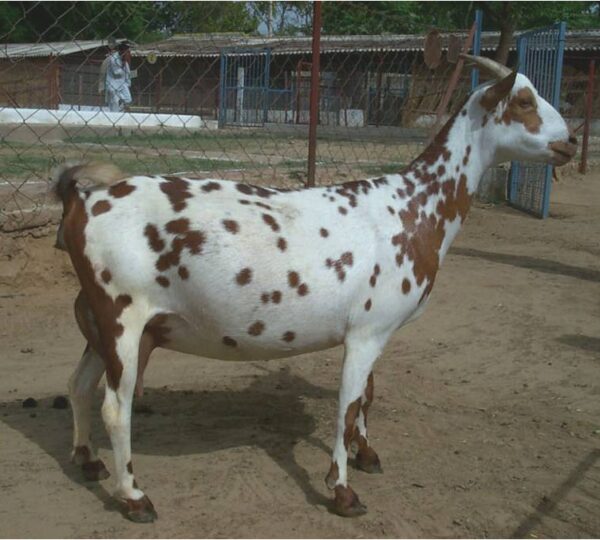
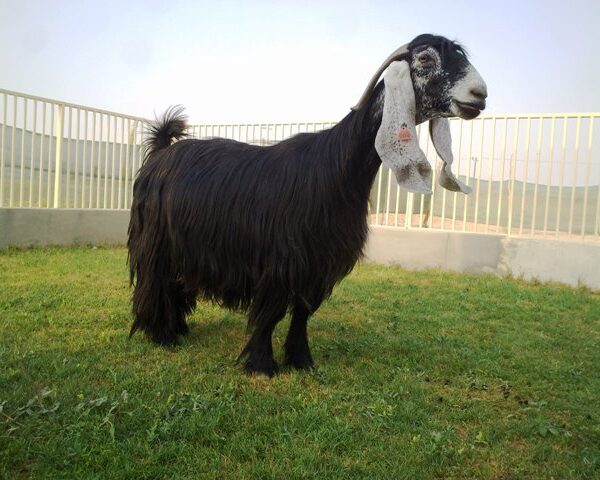
Size and Build: The Salali goat is medium-sized, with a lean yet muscular body that supports agility and movement across rough terrain.

Head: Relatively small with refined features, featuring wide eyes that are typically brown or black.

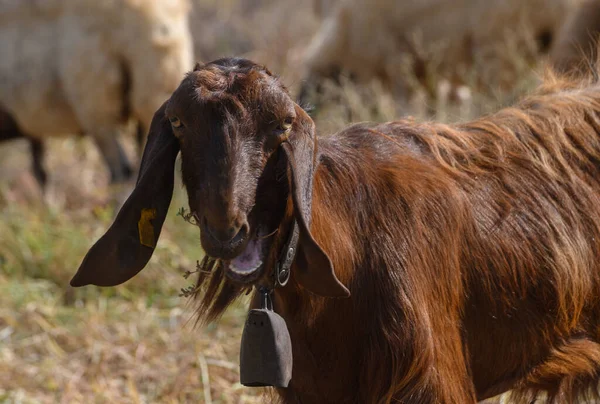
Ears: Usually small to medium in size, positioned upward or sideways.

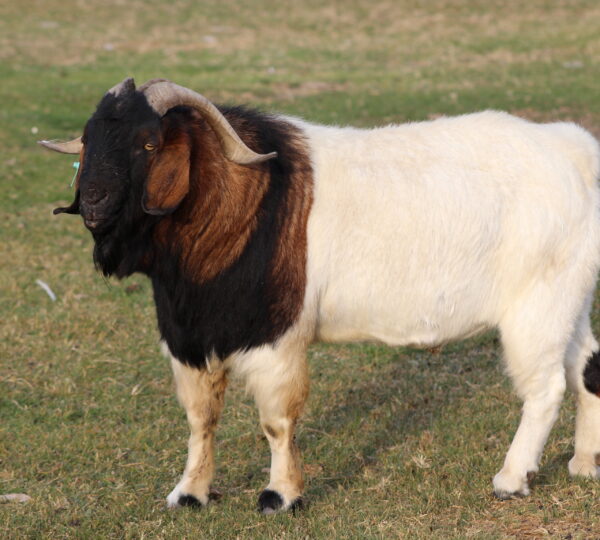
Horns: Males have strong, backward-curving horns, while females may be hornless or have small horns.

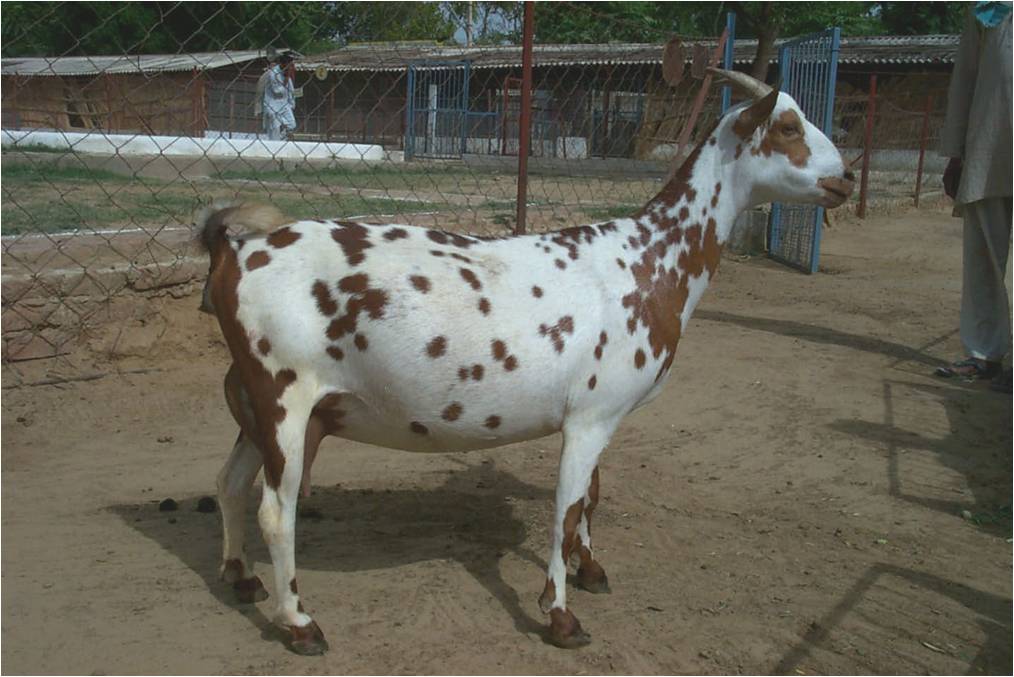
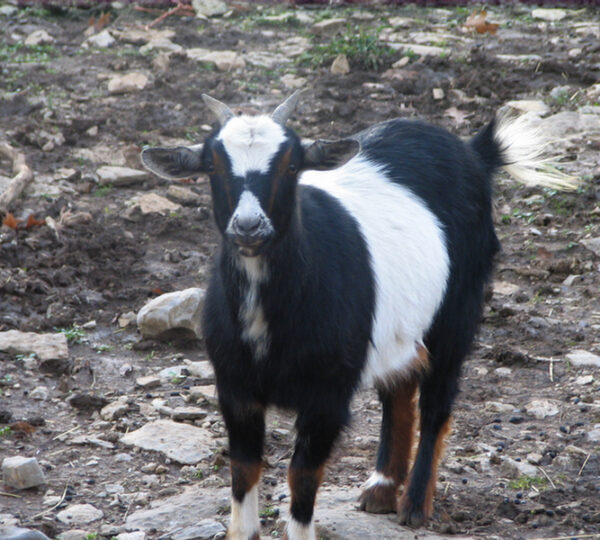
Coat: Covered with short, coarse hair, with colors ranging from white, black, brown, or mixed patterns. Some varieties may have stripes or spots.

Tail: Short and slightly raised.

Legs: Long and slender, giving the breed excellent ability to climb mountains and navigate rocky areas.

Production Characteristics

Milk Production: Salali goats produce moderate quantities of milk, but with high quality in terms of fat and protein content, making it suitable for traditional cheese production.

Meat Production: Meat production is one of the main strengths of this breed, known for its quality, distinctive flavor, and relatively low fat content. It serves as a key income source for breeders in arid regions.

Fertility: Females are highly fertile and can give birth once or even twice a year under improved conditions.

Growth and Fattening: Kids show relatively good growth rates and respond well to fattening when proper nutrition is provided.

Adaptability and Resistance

Salali goats are highly tolerant of harsh environmental conditions, including limited water and feed resources. They are capable of grazing independently in mountainous or desert areas.

They also show good resistance to common livestock diseases and possess strong natural immunity developed through generations of adaptation.

Behavior and Temperament

Highly active and curious, with strong herd instincts.

Easily adapt to their breeder and build trust quickly when handled gently.

Demonstrate notable intelligence in locating food and water.

Capable of traveling long distances without fatigue.

Feeding and Healthcare

The Salali goat mainly depends on natural grazing such as grasses and wild plants. It can also utilize agricultural by-products in rural areas.

Under improved management systems, nutritional supplements rich in protein, vitamins, and minerals are recommended to ensure healthy growth and higher productivity.

Healthcare management includes regular vaccinations, continuous access to clean water, and routine health monitoring of the herd.

Breeding and Management Practices

Salali goats are usually raised in small to medium-sized herds. Providing wide grazing areas is important to support movement and natural feeding behavior.

A simple shelter is sufficient to protect them from rain and harsh weather conditions, while maintaining cleanliness helps prevent diseases.

This breed is suitable for small agricultural projects and can serve as an additional income source in rural and mountainous areas.

Economic and Social Importance

The Salali goat plays a vital role in enhancing food security in dry regions by providing meat and milk to communities with limited agricultural resources.

It also contributes to strengthening rural economies by creating employment opportunities in breeding, production, and marketing. Its products are widely used in traditional food industries.

Challenges Facing Breeders

Despite its advantages, breeders may face several challenges, including:

Reduction of grazing lands due to urban expansion.

Limited government support or lack of extension programs.

Uncontrolled crossbreeding that may lead to loss of original breed traits.

Occasional disease outbreaks and difficulty accessing veterinary services in remote areas.

Conclusion

The Salali (Barbary) goat represents a valuable livestock resource in the Arab world and North Africa. It is an ideal choice for breeders seeking a resilient, productive breed capable of thriving under challenging conditions.

Adopting proper management practices and consistent healthcare is essential to maintain the sustainability of this breed and maximize its contribution to livestock production and food security.

كل ما يجب معرفته عن السلالة وميزاتها وطرق تربيتها

مقدمة

الماعز الصلالي، المعروف أيضاً في بعض المناطق باسم الماعز البربري، يُعد واحداً من أهم سلالات الماعز التي تنتشر في البلاد العربية وشمال إفريقيا. تتسم هذه السلالة بخصائص استثنائية جعلتها خياراً مفضلاً لدى المربين، لما لها من قدرة عالية على التأقلم مع الظروف الطبيعية القاسية، إضافة إلى جودة منتجاتها من اللحوم والحليب. في هذا الدليل، سيتم تسليط الضوء على الجوانب المختلفة للماعز الصلالي، بدءاً من المواصفات الشكلية والسلوكيات إلى طرق التربية والتغذية ومزايا الإنتاج.

الأصول والانتشار الجغرافي

نشأت سلالة الماعز الصلالي في مناطق شمال إفريقيا، وتحديداً في المغرب العربي، حيث انطلقت من جبال الأطلس لتنتشر في الجزائر وتونس وليبيا ومصر، ووُجدت كذلك في بعض أجزاء الجزيرة العربية. تُعرف هذه السلالة بمرونتها وقدرتها على تحمل المناخ الجاف والحرارة المرتفعة، ما جعلها قادرة على العيش في المناطق الصحراوية والجبلية على حد سواء.

المواصفات الشكلية

الحجم والبنية: الماعز الصلالي متوسط الحجم، يميل جسمه إلى القوام العضلي والنحيف، مما يساعده على الحركة السريعة والتنقل في التضاريس الوعرة.

الرأس: رأسه صغير نسبياً، ذو ملامح دقيقة، وتبرز عليه العيون الواسعة ذات اللون البني أو الأسود.

الأذنان: عادة تكون الأذنان صغيرتين أو متوسطتين، متجهتين إلى الأعلى أو الجانبين.

القرون: للذكور قرون قوية منحنية إلى الخلف، في حين أن الإناث قد تكون بلا قرون أو ذات قرون صغيرة.

الصوف والشعر: يغطي الجسم شعر قصير خشن غالباً، قد يتفاوت لونه بين الأبيض، الأسود، البني، أو خليط بينها، وتتميز بعض الأنواع بوجود خطوط أو بقع على الجسم.

الذيل: الذيل قصير ومرفوع قليلاً.

الأرجل: أرجل رفيعة وطويلة نسبياً، مما يمنحه قدرة فائقة على صعود الجبال والمناطق الصخرية.

الخصائص الإنتاجية

إنتاج الحليب: الماعز الصلالي يُعتبر متوسط الإنتاج من الحليب، لكن جودة الحليب عالية من حيث محتوى الدهون والبروتين، ما يجعله مناسباً لصناعة الأجبان المحلية.

إنتاج اللحوم: يعد إنتاج اللحوم من أبرز ميزات هذه السلالة، إذ يتميز لحم الصلالي بجودته وطعمه المميز وقلة الدهون فيه، ويُعتبر مصدر دخل رئيسي للمربين في المناطق الجافة.

الخصوبة: تمتاز الإناث بخصوبة عالية، وقدرتها على الولادة سنوياً أو مرتين في العام في بعض الظروف المحسنة.

النمو والتسمين: سرعة نمو الجداء جيدة نسبياً، وتستجيب للتسمين في حال توفر العلف المناسب.

القدرة على التكيف والمقاومة

تُعرف الماعز الصلالي بقدرة كبيرة على تحمل الظروف البيئية الصعبة، مثل ندرة المياه والعلف، وتستطيع البحث بنفسها عن مصادر الطعام في المناطق الجبلية أو الصحراوية. كما أنها مقاومة نسبياً للأمراض الشائعة التي تصيب المجترات، وتتمتع بمناعة طبيعية قوية نتيجة لتأقلمها عبر الأجيال مع البيئات القاسية.

السلوك والطباع

هذه السلالة نشطة للغاية وفضولية، وتتميز بروح جماعية قوية داخل القطيع.

تتأقلم بسهولة مع مربّيها، وتكتسب الثقة بسرعة إذا تم التعامل معها بلطف.

تُظهر ذكاءً ملحوظاً في البحث عن الغذاء والماء، وتستطيع التنقل لمسافات طويلة دون تعب.

التغذية والرعاية

يعتمد غذاء الماعز الصلالي بشكل رئيسي على المراعي الطبيعية، كالأعشاب والنباتات البرية، ويمكنها تناول بقايا المحاصيل الزراعية في المناطق الريفية. وفي الظروف المحسنة، يُنصح بتقديم مكملات غذائية تحتوي على البروتينات والفيتامينات والمعادن لضمان نمو صحي وإنتاجية مرتفعة. أما الرعاية الصحية، فيجب الحرص على المتابعة الدورية لتحصين القطيع ضد الأمراض، وتوفير المياه النقية باستمرار، وإجراء الفحوصات المنتظمة للأفراد.

طرق التربية والإدارة

تُربّى الماعز الصلالي غالباً في مجموعات صغيرة أو متوسطة، ويُفضل توزيعها في مراعي واسعة لتسهيل الحركة والبحث عن الغذاء. يجب توفير مأوى بسيط يحميها من الأمطار والعواصف، مع التأكيد على نظافة المكان للوقاية من الأمراض. كما يمكن الاستفادة من الإنتاج في المشروعات الزراعية الصغيرة أو كمصدر إضافي للدخل في المناطق الريفية والجبلية.

الأهمية الاقتصادية والاجتماعية

تلعب هذه السلالة دوراً رئيسياً في تحسين الأمن الغذائي في المناطق الجافة، حيث توفر اللحوم والحليب لمجتمعات تعاني من ندرة الموارد الزراعية التقليدية. إضافة إلى ذلك، فإنها تساهم في تعزيز الاقتصاد الريفي، من خلال توفير فرص العمل في مجالات التربية والإنتاج والتسويق، وتدخل منتجاتها في العديد من الصناعات الغذائية التقليدية.

التحديات التي تواجه المربين

رغم كل الميزات التي تمتلكها الماعز الصلالي، إلا أن هناك بعض التحديات، مثل:

تراجع المساحات الرعوية بسبب الزحف العمراني.

نقص الدعم الحكومي أو غياب البرامج الإرشادية.

التهجين غير المنضبط الذي قد يؤدي إلى فقدان الصفات الأصلية للسلالة.

الأمراض العابرة وصعوبة توفير الأدوية البيطرية في المناطق النائية.

خاتمة

تشكل الماعز الصلالي أو البربري ثروة حقيقية في العالم العربي وشمال إفريقيا، وتُعد خياراً مثالياً للمربين الباحثين عن سلالة قوية، منتجة، ومتكيفة مع الظروف الصعبة. يُنصح دائماً بالاعتماد على أسس التربية العلمية، والمتابعة الصحية المستمرة، لضمان استدامة السلالة وتحقيق أفضل النتائج في الإنتاج الحيواني والغذائي.
Tags:

Share:

  • April 30, 2026

Salali (Barbary) Goats: A Resilient Breed in Livestock Farming

A Comprehensive Guide to the Specifications and Characteristics of Salali Goats

Introduction

The Salali goat, also known in some regions as the Barbary goat, is considered one of the most important goat breeds found in Arab countries and North Africa.

This breed is distinguished by exceptional characteristics that make it a preferred choice among breeders, particularly due to its high adaptability to harsh environmental conditions, along with the quality of its meat and milk production.

This guide highlights the key aspects of the Salali goat, including its physical characteristics, behavior, management practices, feeding, and production advantages.

Origin and Geographic Distribution

The Salali goat originated in North Africa, particularly in the Maghreb region, where it spread from the Atlas Mountains to countries such as Algeria, Tunisia, Libya, and Egypt. It is also found in some parts of the Arabian Peninsula.

This breed is known for its flexibility and ability to withstand dry climates and high temperatures, allowing it to thrive in both desert and mountainous environments.

Physical Characteristics

Size and Build: The Salali goat is medium-sized, with a lean yet muscular body that supports agility and movement across rough terrain.

Head: Relatively small with refined features, featuring wide eyes that are typically brown or black.

Ears: Usually small to medium in size, positioned upward or sideways.

Horns: Males have strong, backward-curving horns, while females may be hornless or have small horns.

Coat: Covered with short, coarse hair, with colors ranging from white, black, brown, or mixed patterns. Some varieties may have stripes or spots.

Tail: Short and slightly raised.

Legs: Long and slender, giving the breed excellent ability to climb mountains and navigate rocky areas.

Production Characteristics

Milk Production: Salali goats produce moderate quantities of milk, but with high quality in terms of fat and protein content, making it suitable for traditional cheese production.

Meat Production: Meat production is one of the main strengths of this breed, known for its quality, distinctive flavor, and relatively low fat content. It serves as a key income source for breeders in arid regions.

Fertility: Females are highly fertile and can give birth once or even twice a year under improved conditions.

Growth and Fattening: Kids show relatively good growth rates and respond well to fattening when proper nutrition is provided.

Adaptability and Resistance

Salali goats are highly tolerant of harsh environmental conditions, including limited water and feed resources. They are capable of grazing independently in mountainous or desert areas.

They also show good resistance to common livestock diseases and possess strong natural immunity developed through generations of adaptation.

Behavior and Temperament

Highly active and curious, with strong herd instincts.

Easily adapt to their breeder and build trust quickly when handled gently.

Demonstrate notable intelligence in locating food and water.

Capable of traveling long distances without fatigue.

Feeding and Healthcare

The Salali goat mainly depends on natural grazing such as grasses and wild plants. It can also utilize agricultural by-products in rural areas.

Under improved management systems, nutritional supplements rich in protein, vitamins, and minerals are recommended to ensure healthy growth and higher productivity.

Healthcare management includes regular vaccinations, continuous access to clean water, and routine health monitoring of the herd.

Breeding and Management Practices

Salali goats are usually raised in small to medium-sized herds. Providing wide grazing areas is important to support movement and natural feeding behavior.

A simple shelter is sufficient to protect them from rain and harsh weather conditions, while maintaining cleanliness helps prevent diseases.

This breed is suitable for small agricultural projects and can serve as an additional income source in rural and mountainous areas.

Economic and Social Importance

The Salali goat plays a vital role in enhancing food security in dry regions by providing meat and milk to communities with limited agricultural resources.

It also contributes to strengthening rural economies by creating employment opportunities in breeding, production, and marketing. Its products are widely used in traditional food industries.

Challenges Facing Breeders

Despite its advantages, breeders may face several challenges, including:

Reduction of grazing lands due to urban expansion.

Limited government support or lack of extension programs.

Uncontrolled crossbreeding that may lead to loss of original breed traits.

Occasional disease outbreaks and difficulty accessing veterinary services in remote areas.

Conclusion

The Salali (Barbary) goat represents a valuable livestock resource in the Arab world and North Africa. It is an ideal choice for breeders seeking a resilient, productive breed capable of thriving under challenging conditions.

Adopting proper management practices and consistent healthcare is essential to maintain the sustainability of this breed and maximize its contribution to livestock production and food security.

كل ما يجب معرفته عن السلالة وميزاتها وطرق تربيتها

مقدمة

الماعز الصلالي، المعروف أيضاً في بعض المناطق باسم الماعز البربري، يُعد واحداً من أهم سلالات الماعز التي تنتشر في البلاد العربية وشمال إفريقيا. تتسم هذه السلالة بخصائص استثنائية جعلتها خياراً مفضلاً لدى المربين، لما لها من قدرة عالية على التأقلم مع الظروف الطبيعية القاسية، إضافة إلى جودة منتجاتها من اللحوم والحليب. في هذا الدليل، سيتم تسليط الضوء على الجوانب المختلفة للماعز الصلالي، بدءاً من المواصفات الشكلية والسلوكيات إلى طرق التربية والتغذية ومزايا الإنتاج.

الأصول والانتشار الجغرافي

نشأت سلالة الماعز الصلالي في مناطق شمال إفريقيا، وتحديداً في المغرب العربي، حيث انطلقت من جبال الأطلس لتنتشر في الجزائر وتونس وليبيا ومصر، ووُجدت كذلك في بعض أجزاء الجزيرة العربية. تُعرف هذه السلالة بمرونتها وقدرتها على تحمل المناخ الجاف والحرارة المرتفعة، ما جعلها قادرة على العيش في المناطق الصحراوية والجبلية على حد سواء.

المواصفات الشكلية

الحجم والبنية: الماعز الصلالي متوسط الحجم، يميل جسمه إلى القوام العضلي والنحيف، مما يساعده على الحركة السريعة والتنقل في التضاريس الوعرة.

الرأس: رأسه صغير نسبياً، ذو ملامح دقيقة، وتبرز عليه العيون الواسعة ذات اللون البني أو الأسود.

الأذنان: عادة تكون الأذنان صغيرتين أو متوسطتين، متجهتين إلى الأعلى أو الجانبين.

القرون: للذكور قرون قوية منحنية إلى الخلف، في حين أن الإناث قد تكون بلا قرون أو ذات قرون صغيرة.

الصوف والشعر: يغطي الجسم شعر قصير خشن غالباً، قد يتفاوت لونه بين الأبيض، الأسود، البني، أو خليط بينها، وتتميز بعض الأنواع بوجود خطوط أو بقع على الجسم.

الذيل: الذيل قصير ومرفوع قليلاً.

الأرجل: أرجل رفيعة وطويلة نسبياً، مما يمنحه قدرة فائقة على صعود الجبال والمناطق الصخرية.

الخصائص الإنتاجية

إنتاج الحليب: الماعز الصلالي يُعتبر متوسط الإنتاج من الحليب، لكن جودة الحليب عالية من حيث محتوى الدهون والبروتين، ما يجعله مناسباً لصناعة الأجبان المحلية.

إنتاج اللحوم: يعد إنتاج اللحوم من أبرز ميزات هذه السلالة، إذ يتميز لحم الصلالي بجودته وطعمه المميز وقلة الدهون فيه، ويُعتبر مصدر دخل رئيسي للمربين في المناطق الجافة.

الخصوبة: تمتاز الإناث بخصوبة عالية، وقدرتها على الولادة سنوياً أو مرتين في العام في بعض الظروف المحسنة.

النمو والتسمين: سرعة نمو الجداء جيدة نسبياً، وتستجيب للتسمين في حال توفر العلف المناسب.

القدرة على التكيف والمقاومة

تُعرف الماعز الصلالي بقدرة كبيرة على تحمل الظروف البيئية الصعبة، مثل ندرة المياه والعلف، وتستطيع البحث بنفسها عن مصادر الطعام في المناطق الجبلية أو الصحراوية. كما أنها مقاومة نسبياً للأمراض الشائعة التي تصيب المجترات، وتتمتع بمناعة طبيعية قوية نتيجة لتأقلمها عبر الأجيال مع البيئات القاسية.

السلوك والطباع

هذه السلالة نشطة للغاية وفضولية، وتتميز بروح جماعية قوية داخل القطيع.

تتأقلم بسهولة مع مربّيها، وتكتسب الثقة بسرعة إذا تم التعامل معها بلطف.

تُظهر ذكاءً ملحوظاً في البحث عن الغذاء والماء، وتستطيع التنقل لمسافات طويلة دون تعب.

التغذية والرعاية

يعتمد غذاء الماعز الصلالي بشكل رئيسي على المراعي الطبيعية، كالأعشاب والنباتات البرية، ويمكنها تناول بقايا المحاصيل الزراعية في المناطق الريفية. وفي الظروف المحسنة، يُنصح بتقديم مكملات غذائية تحتوي على البروتينات والفيتامينات والمعادن لضمان نمو صحي وإنتاجية مرتفعة. أما الرعاية الصحية، فيجب الحرص على المتابعة الدورية لتحصين القطيع ضد الأمراض، وتوفير المياه النقية باستمرار، وإجراء الفحوصات المنتظمة للأفراد.

طرق التربية والإدارة

تُربّى الماعز الصلالي غالباً في مجموعات صغيرة أو متوسطة، ويُفضل توزيعها في مراعي واسعة لتسهيل الحركة والبحث عن الغذاء. يجب توفير مأوى بسيط يحميها من الأمطار والعواصف، مع التأكيد على نظافة المكان للوقاية من الأمراض. كما يمكن الاستفادة من الإنتاج في المشروعات الزراعية الصغيرة أو كمصدر إضافي للدخل في المناطق الريفية والجبلية.

الأهمية الاقتصادية والاجتماعية

تلعب هذه السلالة دوراً رئيسياً في تحسين الأمن الغذائي في المناطق الجافة، حيث توفر اللحوم والحليب لمجتمعات تعاني من ندرة الموارد الزراعية التقليدية. إضافة إلى ذلك، فإنها تساهم في تعزيز الاقتصاد الريفي، من خلال توفير فرص العمل في مجالات التربية والإنتاج والتسويق، وتدخل منتجاتها في العديد من الصناعات الغذائية التقليدية.

التحديات التي تواجه المربين

رغم كل الميزات التي تمتلكها الماعز الصلالي، إلا أن هناك بعض التحديات، مثل:

تراجع المساحات الرعوية بسبب الزحف العمراني.

نقص الدعم الحكومي أو غياب البرامج الإرشادية.

التهجين غير المنضبط الذي قد يؤدي إلى فقدان الصفات الأصلية للسلالة.

الأمراض العابرة وصعوبة توفير الأدوية البيطرية في المناطق النائية.

خاتمة

تشكل الماعز الصلالي أو البربري ثروة حقيقية في العالم العربي وشمال إفريقيا، وتُعد خياراً مثالياً للمربين الباحثين عن سلالة قوية، منتجة، ومتكيفة مع الظروف الصعبة. يُنصح دائماً بالاعتماد على أسس التربية العلمية، والمتابعة الصحية المستمرة، لضمان استدامة السلالة وتحقيق أفضل النتائج في الإنتاج الحيواني والغذائي.
Tags:

Share:

You May Also Like

  • Apr 30, 2026
A Comprehensive Guide to the Specifications and Characteristics of Brown Swiss Cattle Introduction Brown Swiss cattle are among the most...
A Comprehensive Guide to the Specifications and Characteristics of Hejazi Goats Introduction The Hejazi goat is one of the most...
A Comprehensive Guide to the Specifications and Characteristics of Shami Goats Introduction The Shami goat is one of the most...
  • Apr 30, 2026
A Comprehensive Guide to the Specifications and Characteristics of Angus Cattle Introduction Angus cattle are among the most popular and...