• April 30, 2026

The Ardi Goat: A Distinctive Breed in the World of Livestock Breeding

A Comprehensive Guide to the Specifications and Characteristics of Ardi Goats in Kuwait

Specifications of the Ardi Goat

The Ardi goat is considered one of the most well-known and finest types of goats in the Arabian Peninsula. It is characterized by strong physical and formal features that have made it a symbol of livestock in the region.

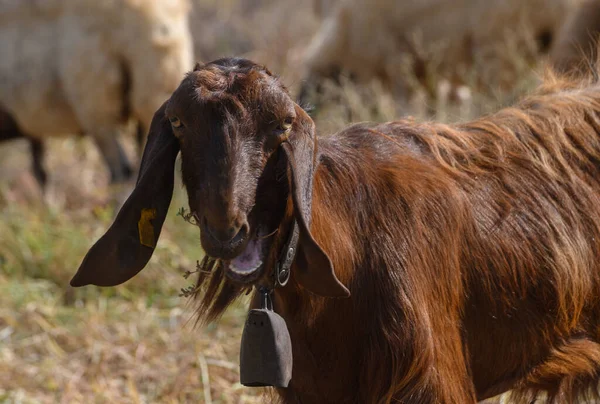
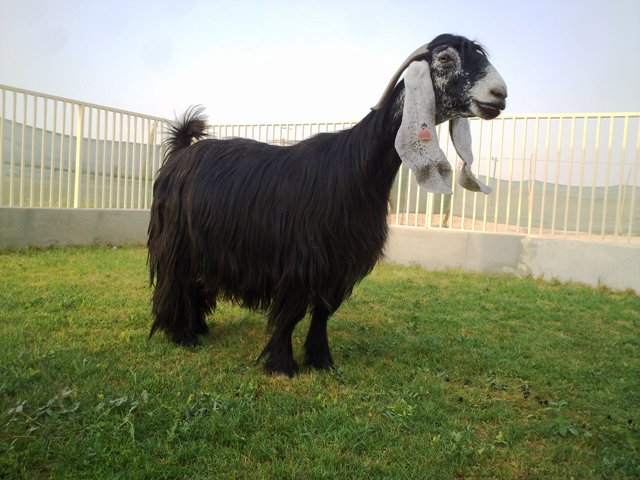
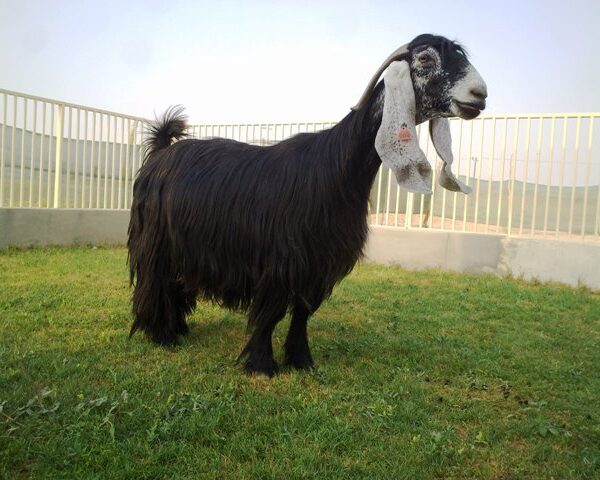
The Ardi goat typically ranges between 75 to 90 cm in height at the shoulder. It has a well-balanced body structure, strong muscles, and a relatively large head in both males and females. It is also known for its dark, reddish-yellow eyes and distinctive hair along the front of the forehead.

One of the key characteristics of the Ardi goat is the thickness of its front and hind leg bones, as well as its overall solid body structure. The breed comes in various colors, including black, brown, and mixed shades, and may also appear in white, red, or yellow due to crossbreeding.

Country of Origin and Geographical Distribution

The Ardi goat originated in the Kingdom of Saudi Arabia, specifically in the central region of the Arabian Peninsula, from which the breed derives its name.

Over time, Ardi goat farming spread to various regions of the Kingdom and across the Gulf countries, due to its ability to tolerate harsh climatic conditions and adapt to desert environments with limited grazing resources.

Reproduction and Fertility

The Ardi goat has a good growth rate and can gain approximately 200 grams per day under proper conditions. It is also known for its productive breeding performance.

Females typically reach reproductive maturity at around five months, and the gestation period lasts approximately five months.

The average weight of male Ardi goats ranges between 25 to 40 kilograms, while females usually weigh between 20 to 35 kilograms. These figures may vary depending on genetics, nutrition, and overall care conditions.

Nutrition and Healthcare

Ardi goats mainly feed on dry forage such as barley, hay, and alfalfa, in addition to natural grasses when available. Proper nutrition is essential for maintaining their health and productivity.

Healthcare is a key factor in preserving the quality of the breed. This includes regular vaccinations, routine health check-ups, and ensuring access to clean water at all times. Maintaining barn hygiene is also important to reduce the spread of diseases.

Economic and Cultural Importance of the Ardi Goat

The Ardi goat holds a prominent place in the cultural heritage of the Arabian Peninsula. It is considered an important source of income for many breeders, whether through the sale of goats, breeding stock, or participation in livestock competitions and auctions.

In many cases, the value of the Ardi goat lies not only in meat or milk production, but also in its appearance, pedigree, and purity of lineage. This has increased its demand and market value.

Important Information and Tips for Breeders

It is preferable to select goats with known pedigree to preserve desirable genetic traits.

Regular monitoring of female health, especially during breeding and lactation, is essential.

Provide shaded areas during summer and protect goats from cold air in winter.

Continuous herd improvement through selection and vaccination enhances productivity and immunity.

Conclusion

The Ardi goat remains one of the most distinctive breeds in the livestock sector. Its importance extends beyond economic returns to include the preservation of authentic Arab heritage.

In Kuwait, interest in this breed is increasing among breeders and young enthusiasts, especially with the availability of digital platforms such as the Halali app, which supports breed documentation, marketing, and participation in competitions.

Investing in Ardi goats is not only a financial opportunity, but also a contribution to preserving heritage and strengthening the livestock sector in the region.

دليل شامل لمواصفات وخصائص الماعز العارضي في الكويت

مواصفات الماعز العارضي

الماعز العارضي يُعتبر من أشهر وأجود أنواع الماعز في شبه الجزيرة العربية، ويتميّز بمواصفات شكلية وجسدية جعلته رمزًا للثروة الحيوانية في المنطقة. يتراوح ارتفاع الماعز العارضي بين 75 إلى 95 سم عند الكتف، ويمتلك جسماً متناسقاً وعضلات قوية، يتميز أيضًا برأس كبيرة نسبيًا لدى كلا الجنسين، وعيون صفراء غامقة مائلة للحمرة، بالإضافة إلي الشعر بطول مقدمة الجبهة وعرض الظهر والنحر وطول الجنب. ومن خصائص العارضي المميزة هي غلظة عظم الأرجل الأمامية والخلفية والجسم بشكل عام، كما تتنوع أنواع وألوان هذه الماعز وتشمل الأسود، والعطر، والأشهب، ويمكن أن تتغير بسبب التهجين إلى ألوان أخرى مثل الأبيض والأحمر والأصفر.

بلد المنشأ والتوزيع الجغرافي

يعود أصل الماعز العارضي إلى المملكة العربية السعودية، وتحديدًا منطقة العارض الواقعة وسط الجزيرة العربية، والتي استمدت السلالة اسمها منها. انتشرت تربية الماعز العارضي لاحقًا في مناطق متعددة من المملكة ودول الخليج العربي، نظرًا لتحمله الظروف المناخية القاسية وقدرته على التأقلم مع البيئة الصحراوية وشح المراعي.

التكاثر والخصوبة

ويتمتع الماعز العارضي بمتوسط نمو جيد، حيث يمكنه زيادة وزنه بمقدار يقارب 200 جرام في اليوم، ويشتهر بإنتاجية توائم ممتازة من 1 إلى 4 توائم في البطن الواحد، وتبدأ الأنثى بالبحث عن الفحل في سن 5 أشهر، وتستغرق فترة الحمل 5 أشهر إذ يبدأ تكون الجنين من الشهر الثالث إلى الرابع.

. يتراوح وزن ذكر الماعز العارضي عمومًا بين 25 إلى 40 كيلوجرامًا , أما الأنثى فيصل وزنها بين 20 إلى 35 كيلوجرامًا، ومع ذلك يجب ملاحظة أن هذه الأرقام تعتمد على عدة عوامل مثل السلالة والتغذية وظروف الرعاية فضلًا عن الوراثة التي تؤثر على حجم الحيوان.

التغذية والرعاية الصحية

يتغذى الماعز العارضي على الأعلاف الجافة كالشعير والتبن وأعلاف البرسيم، إضافة إلى الحشائش الطبيعية عندما تتوفر. وتعد الرعاية الصحية عاملاً أساسياً في الحفاظ على إنتاجية وجودة السلالة، حيث يحتاج إلى جدول تطعيمات وقائي دوري وفحوصات صحية منتظمة. كما يجب توفير مياه نظيفة باستمرار ومراعاة النظافة العامة للحظائر للحد من انتشار الأمراض.

أهمية الماعز العارضي الاقتصادية والثقافية

يحتل الماعز العارضي مكانة مرموقة في التراث الشعبي السعودي، ويُعتبر مصدر دخل هامًا للعديد من الأسر الريفية، سواء من خلال بيع الحليب ومشتقاته أو تسويق الجداء والعنزات. كما يُشارك في المسابقات والمزادات الخاصة بأجمل السلالات، ما يرفع من قيمته السوقية ويعزز من الإقبال على تحسينه ورعايته.

معلومات مهمة ونصائح للمربين

يفضل اختيار الجداء ذات الأنساب المعروفة لضمان الحفاظ على الصفات الوراثية الجيدة للسلالة.

من المهم مراقبة صحة الضرع وجودة الحليب باستمرار للإناث.

يُنصح بتوفير أماكن مظللة للماعز صيفًا ووقايته من تيارات الهواء الباردة شتاءً.

الاستمرار في تحسين القطيع عبر الانتقاء الجيد والتطعيمات الدورية يعزز من الإنتاجية والمناعة.

في الختام، رغم أن العارضي لا يُربى غالبًا لأهداف تجارية بحتة كالحليب أو اللحم، إلا أن قيمته السوقية تكمن في جماله ونقاء نسبه، حيث تصل أسعار بعض الفحول أو الإناث إلى آلاف أو حتى عشرات الآلاف من الدنانير في المزايين.

في الكويت، يلقى العارضي اهتمامًا متزايدًا من قبل الشباب والمربين المحترفين، خاصة مع توفر المنصات الرقمية مثل تطبيق "حلالي" الذي يُسهم في توثيق السلالات وعرضها للبيع والمشاركة في المنافسات.

إن الاستثمار في العارضي لا يقتصر على العائد المالي، بل يشمل الحفاظ على الإرث العربي الأصيل، والمشاركة في مجتمع يهتم بالهوية والتراث. ومن هنا تأتي الدعوة لتوسيع الدراسات المحلية والبرامج الحكومية التي تساهم في تطوير هذه السلالة المميزة.
Tags:

Share:

  • April 30, 2026

The Ardi Goat: A Distinctive Breed in the World of Livestock Breeding

A Comprehensive Guide to the Specifications and Characteristics of Ardi Goats in Kuwait

Specifications of the Ardi Goat

The Ardi goat is considered one of the most well-known and finest types of goats in the Arabian Peninsula. It is characterized by strong physical and formal features that have made it a symbol of livestock in the region.

The Ardi goat typically ranges between 75 to 90 cm in height at the shoulder. It has a well-balanced body structure, strong muscles, and a relatively large head in both males and females. It is also known for its dark, reddish-yellow eyes and distinctive hair along the front of the forehead.

One of the key characteristics of the Ardi goat is the thickness of its front and hind leg bones, as well as its overall solid body structure. The breed comes in various colors, including black, brown, and mixed shades, and may also appear in white, red, or yellow due to crossbreeding.

Country of Origin and Geographical Distribution

The Ardi goat originated in the Kingdom of Saudi Arabia, specifically in the central region of the Arabian Peninsula, from which the breed derives its name.

Over time, Ardi goat farming spread to various regions of the Kingdom and across the Gulf countries, due to its ability to tolerate harsh climatic conditions and adapt to desert environments with limited grazing resources.

Reproduction and Fertility

The Ardi goat has a good growth rate and can gain approximately 200 grams per day under proper conditions. It is also known for its productive breeding performance.

Females typically reach reproductive maturity at around five months, and the gestation period lasts approximately five months.

The average weight of male Ardi goats ranges between 25 to 40 kilograms, while females usually weigh between 20 to 35 kilograms. These figures may vary depending on genetics, nutrition, and overall care conditions.

Nutrition and Healthcare

Ardi goats mainly feed on dry forage such as barley, hay, and alfalfa, in addition to natural grasses when available. Proper nutrition is essential for maintaining their health and productivity.

Healthcare is a key factor in preserving the quality of the breed. This includes regular vaccinations, routine health check-ups, and ensuring access to clean water at all times. Maintaining barn hygiene is also important to reduce the spread of diseases.

Economic and Cultural Importance of the Ardi Goat

The Ardi goat holds a prominent place in the cultural heritage of the Arabian Peninsula. It is considered an important source of income for many breeders, whether through the sale of goats, breeding stock, or participation in livestock competitions and auctions.

In many cases, the value of the Ardi goat lies not only in meat or milk production, but also in its appearance, pedigree, and purity of lineage. This has increased its demand and market value.

Important Information and Tips for Breeders

It is preferable to select goats with known pedigree to preserve desirable genetic traits.

Regular monitoring of female health, especially during breeding and lactation, is essential.

Provide shaded areas during summer and protect goats from cold air in winter.

Continuous herd improvement through selection and vaccination enhances productivity and immunity.

Conclusion

The Ardi goat remains one of the most distinctive breeds in the livestock sector. Its importance extends beyond economic returns to include the preservation of authentic Arab heritage.

In Kuwait, interest in this breed is increasing among breeders and young enthusiasts, especially with the availability of digital platforms such as the Halali app, which supports breed documentation, marketing, and participation in competitions.

Investing in Ardi goats is not only a financial opportunity, but also a contribution to preserving heritage and strengthening the livestock sector in the region.

دليل شامل لمواصفات وخصائص الماعز العارضي في الكويت

مواصفات الماعز العارضي

الماعز العارضي يُعتبر من أشهر وأجود أنواع الماعز في شبه الجزيرة العربية، ويتميّز بمواصفات شكلية وجسدية جعلته رمزًا للثروة الحيوانية في المنطقة. يتراوح ارتفاع الماعز العارضي بين 75 إلى 95 سم عند الكتف، ويمتلك جسماً متناسقاً وعضلات قوية، يتميز أيضًا برأس كبيرة نسبيًا لدى كلا الجنسين، وعيون صفراء غامقة مائلة للحمرة، بالإضافة إلي الشعر بطول مقدمة الجبهة وعرض الظهر والنحر وطول الجنب. ومن خصائص العارضي المميزة هي غلظة عظم الأرجل الأمامية والخلفية والجسم بشكل عام، كما تتنوع أنواع وألوان هذه الماعز وتشمل الأسود، والعطر، والأشهب، ويمكن أن تتغير بسبب التهجين إلى ألوان أخرى مثل الأبيض والأحمر والأصفر.

بلد المنشأ والتوزيع الجغرافي

يعود أصل الماعز العارضي إلى المملكة العربية السعودية، وتحديدًا منطقة العارض الواقعة وسط الجزيرة العربية، والتي استمدت السلالة اسمها منها. انتشرت تربية الماعز العارضي لاحقًا في مناطق متعددة من المملكة ودول الخليج العربي، نظرًا لتحمله الظروف المناخية القاسية وقدرته على التأقلم مع البيئة الصحراوية وشح المراعي.

التكاثر والخصوبة

ويتمتع الماعز العارضي بمتوسط نمو جيد، حيث يمكنه زيادة وزنه بمقدار يقارب 200 جرام في اليوم، ويشتهر بإنتاجية توائم ممتازة من 1 إلى 4 توائم في البطن الواحد، وتبدأ الأنثى بالبحث عن الفحل في سن 5 أشهر، وتستغرق فترة الحمل 5 أشهر إذ يبدأ تكون الجنين من الشهر الثالث إلى الرابع.

. يتراوح وزن ذكر الماعز العارضي عمومًا بين 25 إلى 40 كيلوجرامًا , أما الأنثى فيصل وزنها بين 20 إلى 35 كيلوجرامًا، ومع ذلك يجب ملاحظة أن هذه الأرقام تعتمد على عدة عوامل مثل السلالة والتغذية وظروف الرعاية فضلًا عن الوراثة التي تؤثر على حجم الحيوان.

التغذية والرعاية الصحية

يتغذى الماعز العارضي على الأعلاف الجافة كالشعير والتبن وأعلاف البرسيم، إضافة إلى الحشائش الطبيعية عندما تتوفر. وتعد الرعاية الصحية عاملاً أساسياً في الحفاظ على إنتاجية وجودة السلالة، حيث يحتاج إلى جدول تطعيمات وقائي دوري وفحوصات صحية منتظمة. كما يجب توفير مياه نظيفة باستمرار ومراعاة النظافة العامة للحظائر للحد من انتشار الأمراض.

أهمية الماعز العارضي الاقتصادية والثقافية

يحتل الماعز العارضي مكانة مرموقة في التراث الشعبي السعودي، ويُعتبر مصدر دخل هامًا للعديد من الأسر الريفية، سواء من خلال بيع الحليب ومشتقاته أو تسويق الجداء والعنزات. كما يُشارك في المسابقات والمزادات الخاصة بأجمل السلالات، ما يرفع من قيمته السوقية ويعزز من الإقبال على تحسينه ورعايته.

معلومات مهمة ونصائح للمربين

يفضل اختيار الجداء ذات الأنساب المعروفة لضمان الحفاظ على الصفات الوراثية الجيدة للسلالة.

من المهم مراقبة صحة الضرع وجودة الحليب باستمرار للإناث.

يُنصح بتوفير أماكن مظللة للماعز صيفًا ووقايته من تيارات الهواء الباردة شتاءً.

الاستمرار في تحسين القطيع عبر الانتقاء الجيد والتطعيمات الدورية يعزز من الإنتاجية والمناعة.

في الختام، رغم أن العارضي لا يُربى غالبًا لأهداف تجارية بحتة كالحليب أو اللحم، إلا أن قيمته السوقية تكمن في جماله ونقاء نسبه، حيث تصل أسعار بعض الفحول أو الإناث إلى آلاف أو حتى عشرات الآلاف من الدنانير في المزايين.

في الكويت، يلقى العارضي اهتمامًا متزايدًا من قبل الشباب والمربين المحترفين، خاصة مع توفر المنصات الرقمية مثل تطبيق "حلالي" الذي يُسهم في توثيق السلالات وعرضها للبيع والمشاركة في المنافسات.

إن الاستثمار في العارضي لا يقتصر على العائد المالي، بل يشمل الحفاظ على الإرث العربي الأصيل، والمشاركة في مجتمع يهتم بالهوية والتراث. ومن هنا تأتي الدعوة لتوسيع الدراسات المحلية والبرامج الحكومية التي تساهم في تطوير هذه السلالة المميزة.
Tags:

Share:

You May Also Like

  • Apr 30, 2026
A Comprehensive Guide to the Specifications and Characteristics of Brown Swiss Cattle Introduction Brown Swiss cattle are among the most...
A Comprehensive Guide to the Specifications and Characteristics of Hejazi Goats Introduction The Hejazi goat is one of the most...
A Comprehensive Guide to the Specifications and Characteristics of Shami Goats Introduction The Shami goat is one of the most...
  • Apr 30, 2026
A Comprehensive Guide to the Specifications and Characteristics of Angus Cattle Introduction Angus cattle are among the most popular and...