• April 30, 2026

Pygmy Goats: A Distinctive Breed in Livestock Farming

A Comprehensive Guide to the Specifications and Characteristics of Pygmy Goats

Introduction

The pygmy goat is a small-sized breed known for its charm, ease of care, and adaptability to a wide range of environments. This makes it a popular choice among hobbyists and farmers alike.

Originally from West Africa, particularly Cameroon, pygmy goats have spread worldwide due to their unique traits and distinctive characteristics.

Origin and History

Pygmy goats originated in West Africa, where they were primarily used as a source of milk and meat. Over time, their popularity increased in Europe and the United States due to their small size and ease of management.

By the mid-20th century, structured breeding programs began to improve their genetic traits, resulting in more uniform and refined breeds in terms of size, shape, and overall characteristics.

Physical Characteristics of Pygmy Goats

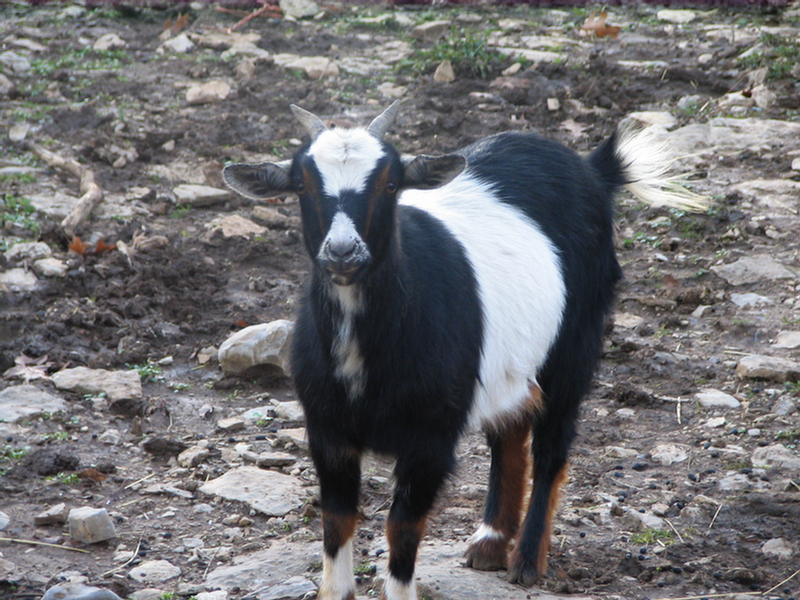
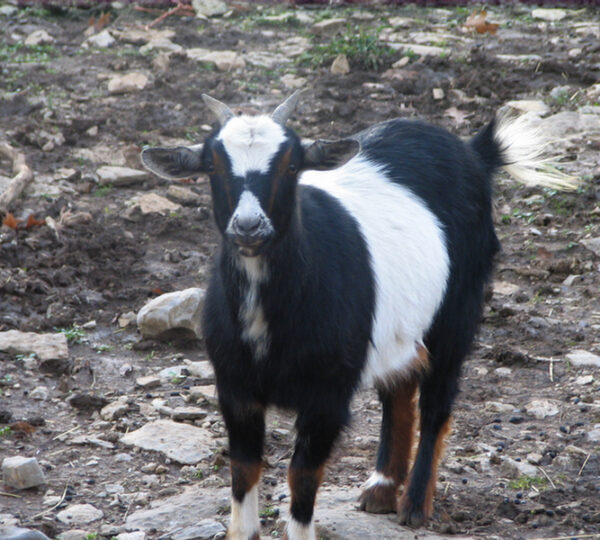
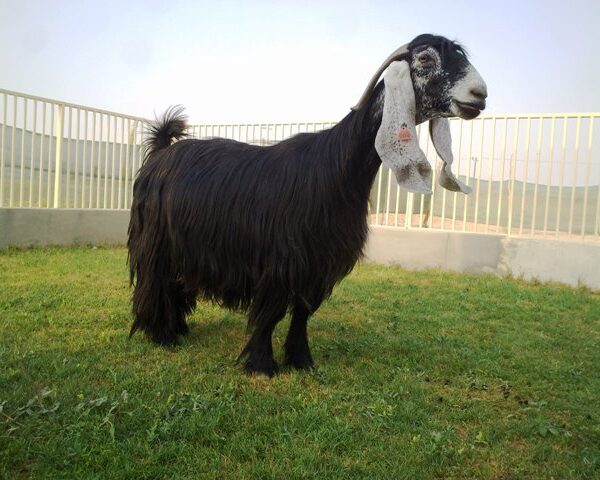
Size: Pygmy goats are relatively small, with a shoulder height ranging between 40 to 60 cm for both males and females. Adults typically weigh between 20 to 35 kilograms.

Body Structure: They have a compact and sturdy body with shorter legs compared to standard goat breeds. Their back is straight, and their chest is broad.

Head: The head is relatively small with a broad forehead and short nose. Both males and females may have small horns, although some may be naturally hornless depending on the breed.

Ears: The ears are upright and relatively short, giving the face a gentle and appealing appearance.

Tail: Short and usually held upright, often covered with dense hair.

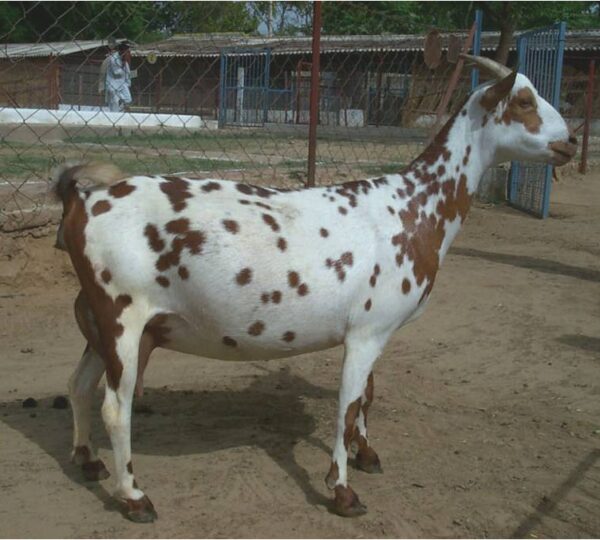
Coat Color: Their coat comes in a variety of colors, including white, black, brown, and gray, as well as mixed patterns or spotted variations.

Behavioral and Social Traits

Friendly Nature: Pygmy goats are known for their friendly and interactive temperament, making them suitable for families and children.

Curiosity: They are naturally curious and enjoy exploring their surroundings and interacting with both herd members and humans.

High Adaptability: This breed can adapt to various climates and environments, whether rural or urban.

Social Behavior: Pygmy goats prefer living in small groups and may experience stress or boredom if raised alone.

Productivity Characteristics

Milk Production: Pygmy goats produce moderate amounts of milk, typically ranging from 1 to 2 liters per day under optimal conditions. Their milk is rich in nutrients, with higher fat and protein content compared to larger breeds.

Meat Production: Despite their small size, their meat is tender and flavorful, with a moderate fat content.

Economic Value: They are an excellent option for small-scale farming due to their low maintenance costs and multiple benefits from milk and meat production.

Healthcare

Hardiness: Pygmy goats are generally resilient, but preventive care against internal and external parasites is essential.

Regular Check-ups: Routine monitoring of teeth, eyes, and skin is recommended to ensure overall health.

Vaccination: Following a regular vaccination schedule is necessary to protect against infectious diseases.

Housing Hygiene: Maintaining a clean and dry living environment helps prevent disease spread.

Feeding

Diet: They primarily feed on grasses and green plants, with the addition of grains and legumes to enhance productivity.

Supplements: Nutritional supplements such as calcium and vitamins may be required, especially during pregnancy and lactation periods.

Water: Clean, fresh water must be available at all times, as dehydration negatively affects their health and productivity.

Reproduction

Sexual Maturity: Pygmy goats reach sexual maturity between 4 to 6 months of age and can begin reproducing within their first year.

Gestation Period: Pregnancy lasts between 145 to 155 days. Females commonly give birth to twins or triplets, with a high success rate.

Maternal Care: Females are known for their strong maternal instincts, and a safe, warm environment should be provided during kidding.

Common Uses of Pygmy Goats

Pet Keeping: Due to their small size and friendly nature, pygmy goats are suitable as household pets.

Small Projects: They are ideal for small farms and educational projects in schools and gardens.

Exhibitions: Frequently used in local and international shows due to their attractive appearance and ease of training.

Tips for Successful Breeding

Choose healthy animals from reliable sources.

Provide adequate and secure space for raising them.

Monitor their health regularly.

Offer a balanced and varied diet.

Consider their social and psychological needs.

Conclusion

Pygmy goats combine beauty, strength, and economic value, making them an ideal choice for both home raising and small-scale agricultural investment.

With proper healthcare and balanced nutrition, breeders can maximize the benefits of this unique breed, whether for productivity or personal enjoyment.

كل ما يجب معرفته عن الماعز القزم

مقدمة

الماعز القزم هو أحد أنواع الماعز الصغيرة التي تتميز بجاذبيتها وسهولة تربيتها وتكيفها مع البيئات المتنوعة، ما جعلها خياراً شائعاً لدى هواة التربية والمزارعين على حدٍ سواء. يرجع أصل هذا النوع إلى غرب أفريقيا، وتحديداً إلى الكاميرون، لكنه انتشر في جميع أنحاء العالم نظراً لمواصفاته الفريدة وخصائصه المميزة.

الأصل والتاريخ

نشأ الماعز القزم في مناطق غرب أفريقيا، وكان يُستخدم في الأساس كمصدر للحليب واللحوم. مع مرور الوقت، بدأت شعبيته تزداد في دول أوروبا وأمريكا بفضل حجمه الصغير وسهولة تربيته. في منتصف القرن العشرين، بدأت برامج التربية المنظمة لتحسين المواصفات الوراثية لهذا النوع، وتطورت السلالات لتصبح أكثر تناسقاً من حيث الشكل والحجم والخصائص العامة.

المواصفات الشكلية للماعز القزم

الحجم: الماعز القزم صغير نسبياً، إذ يتراوح ارتفاعه عند الكتف من 40 إلى 60 سم للذكور والإناث، ويزن البالغ منها ما بين 20 إلى 35 كيلوغراماً فقط.

الشكل العام: للجسم هيئة مدمجة وقوية مع أطراف قصيرة مقارنة بالماعز التقليدي، ويتمتع بظهر مستقيم وصدر واسع.

الرأس: رأسه صغير نسبياً، وله جبهة عريضة وأنف قصير. غالباً ما تظهر بعض القرون الصغيرة لدى الذكور والإناث، ويمكن أن يكون بدون قرون أيضاً حسب السلالة.

الأذنان: مستقيمتان وقصيرتان نسبياً، وتعطي الوجه مظهراً لطيفاً.

الذيل: قصير ومرفوع لأعلى، وغالباً يحمل الشعر الكثيف.

لون الفروة: تتنوع ألوان الفروة بين الأبيض، الأسود، البني، الرمادي، وقد يظهر بعضها بألوان مختلطة أو بقع متداخلة.

الخصائص السلوكية والاجتماعية

الوداعة: يتميز الماعز القزم بطبعه الودود والتفاعلي مع البشر، ما يجعله مناسباً لتربية الأطفال والعائلات.

حب الاستكشاف: غالباً ما يظهر سلوكاً فضولياً ويحب استكشاف محيطه واللعب مع أفراد القطيع أو حتى مع البشر.

التكيف العالي: يستطيع هذا النوع التكيف مع مختلف الأحوال الجوية والبيئات، سواء الريفية أو الحضرية.

الاجتماعية: يفضل العيش في مجموعات صغيرة ويشعر بالراحة وسط القطيع، ما يجعله عرضة للضجر أو الاكتئاب إذا تربى منفرداً.

الخصائص الإنتاجية

إنتاج الحليب: ينتج الماعز القزم كميات متوسطة من الحليب تتراوح بين 1 إلى 2 لتر يومياً في أفضل الظروف. يمتاز الحليب بجودته وقيمته الغذائية العالية، حيث يحتوي على نسب مرتفعة من البروتين والدهون مقارنةً بالأنواع الكبيرة.

إنتاج اللحوم: على الرغم من صغر حجمه، إلا أن لحمه يُعتبر طرياً وغنياً بالنكهات، ويتميز بنسبة دهون معتدلة.

الفائدة الاقتصادية: يعد خياراً ممتازاً للمشروعات الصغيرة بسبب قلة تكاليف تربيته مقارنةً بالماعز التقليدي وكثرة المردود من الحليب واللحوم.

الرعاية الصحية للماعز القزم

متانة الجسد: لديه مقاومة عالية للأمراض الشائعة، لكن يجب الحرص على الوقاية من الطفيليات الداخلية والخارجية.

الفحوص الدورية: يُنصح بمراقبة صحته بشكل منتظم وفحص الأسنان والعينين والجلد للتأكد من خلوه من الأمراض.

تطعيمات: يجب الالتزام بجدول التطعيمات الأساسية للماعز لضمان سلامته وحمايته من الأمراض المعدية.

نظافة الحظيرة: ينبغي المحافظة على نظافة مكان التربية وتغيير الفراش بانتظام لتجنب انتشار الأمراض.

التغذية

العلف: يعتمد الماعز القزم على الأعشاب والنباتات الخضراء، ويمكن تقديم الحبوب المركزة والبقوليات لتحسين الإنتاجية.

المكملات الغذائية: قد يحتاج أحياناً إلى مكملات مثل الكالسيوم والفيتامينات، خاصة في فترات الحمل والإنتاج.

الماء: يجب توفير مياه نظيفة وعذبة باستمرار، لأن الجفاف يؤثر سلباً على صحته وإنتاجيته.

التكاثر والتوالد

البلوغ الجنسي: يصل الماعز القزم إلى البلوغ في عمر 4-6 أشهر، ويمكن أن يبدأ إنتاج النسل في عامه الأول.

مدة الحمل: تتراوح مدة الحمل بين 145 إلى 155 يوماً، وعادةً ما تلد الإناث توائم أو ثلاثة، مع نسبة كبيرة من الولادات الناجحة.

رعاية الأمهات: تُظهر الإناث عناية فائقة بصغارها، ويُفضل توفير بيئة آمنة ودافئة خلال فترة الولادة.

الاستعمالات الشائعة للماعز القزم

التربية المنزلية: يناسب الماعز القزم التربية المنزلية أو كحيوان أليف بفضل شكله الجذاب وسلوكياته اللطيفة.

المشروعات الصغيرة: يعتبر خياراً مثالياً للمزارعين الصغار أو المشاريع التعليمية في المدارس والحدائق.

العروض والمعارض: يُستخدم كثيراً في المعارض المحلية والعالمية نظراً لجماله وسهولة تدريبه على الحركات البسيطة.

نصائح لتربية الماعز القزم بنجاح

اختيار أفراد سليمة صحياً من مصادر موثوقة.

توفير مساحة مناسبة وآمنة للتربية.

المتابعة الدورية لصحة الحيوانات.

تقديم غذاء متوازن ومتنوع.

مراعاة الجوانب النفسية والاجتماعية للماعز.

خاتمة

الماعز القزم يجمع بين الجمال والقوة والاقتصاد، ويُعد خياراً مثالياً لراغبي التربية المنزلية أو الاستثمار الزراعي في المشروعات الصغيرة. من خلال العناية الصحية والنظام الغذائي المتوازن، يمكن تحقيق أقصى استفادة من هذا النوع الفريد، سواء من ناحية الإنتاجية أو المتعة الشخصية في التربية.
Tags:

Share:

  • April 30, 2026

Pygmy Goats: A Distinctive Breed in Livestock Farming

A Comprehensive Guide to the Specifications and Characteristics of Pygmy Goats

Introduction

The pygmy goat is a small-sized breed known for its charm, ease of care, and adaptability to a wide range of environments. This makes it a popular choice among hobbyists and farmers alike.

Originally from West Africa, particularly Cameroon, pygmy goats have spread worldwide due to their unique traits and distinctive characteristics.

Origin and History

Pygmy goats originated in West Africa, where they were primarily used as a source of milk and meat. Over time, their popularity increased in Europe and the United States due to their small size and ease of management.

By the mid-20th century, structured breeding programs began to improve their genetic traits, resulting in more uniform and refined breeds in terms of size, shape, and overall characteristics.

Physical Characteristics of Pygmy Goats

Size: Pygmy goats are relatively small, with a shoulder height ranging between 40 to 60 cm for both males and females. Adults typically weigh between 20 to 35 kilograms.

Body Structure: They have a compact and sturdy body with shorter legs compared to standard goat breeds. Their back is straight, and their chest is broad.

Head: The head is relatively small with a broad forehead and short nose. Both males and females may have small horns, although some may be naturally hornless depending on the breed.

Ears: The ears are upright and relatively short, giving the face a gentle and appealing appearance.

Tail: Short and usually held upright, often covered with dense hair.

Coat Color: Their coat comes in a variety of colors, including white, black, brown, and gray, as well as mixed patterns or spotted variations.

Behavioral and Social Traits

Friendly Nature: Pygmy goats are known for their friendly and interactive temperament, making them suitable for families and children.

Curiosity: They are naturally curious and enjoy exploring their surroundings and interacting with both herd members and humans.

High Adaptability: This breed can adapt to various climates and environments, whether rural or urban.

Social Behavior: Pygmy goats prefer living in small groups and may experience stress or boredom if raised alone.

Productivity Characteristics

Milk Production: Pygmy goats produce moderate amounts of milk, typically ranging from 1 to 2 liters per day under optimal conditions. Their milk is rich in nutrients, with higher fat and protein content compared to larger breeds.

Meat Production: Despite their small size, their meat is tender and flavorful, with a moderate fat content.

Economic Value: They are an excellent option for small-scale farming due to their low maintenance costs and multiple benefits from milk and meat production.

Healthcare

Hardiness: Pygmy goats are generally resilient, but preventive care against internal and external parasites is essential.

Regular Check-ups: Routine monitoring of teeth, eyes, and skin is recommended to ensure overall health.

Vaccination: Following a regular vaccination schedule is necessary to protect against infectious diseases.

Housing Hygiene: Maintaining a clean and dry living environment helps prevent disease spread.

Feeding

Diet: They primarily feed on grasses and green plants, with the addition of grains and legumes to enhance productivity.

Supplements: Nutritional supplements such as calcium and vitamins may be required, especially during pregnancy and lactation periods.

Water: Clean, fresh water must be available at all times, as dehydration negatively affects their health and productivity.

Reproduction

Sexual Maturity: Pygmy goats reach sexual maturity between 4 to 6 months of age and can begin reproducing within their first year.

Gestation Period: Pregnancy lasts between 145 to 155 days. Females commonly give birth to twins or triplets, with a high success rate.

Maternal Care: Females are known for their strong maternal instincts, and a safe, warm environment should be provided during kidding.

Common Uses of Pygmy Goats

Pet Keeping: Due to their small size and friendly nature, pygmy goats are suitable as household pets.

Small Projects: They are ideal for small farms and educational projects in schools and gardens.

Exhibitions: Frequently used in local and international shows due to their attractive appearance and ease of training.

Tips for Successful Breeding

Choose healthy animals from reliable sources.

Provide adequate and secure space for raising them.

Monitor their health regularly.

Offer a balanced and varied diet.

Consider their social and psychological needs.

Conclusion

Pygmy goats combine beauty, strength, and economic value, making them an ideal choice for both home raising and small-scale agricultural investment.

With proper healthcare and balanced nutrition, breeders can maximize the benefits of this unique breed, whether for productivity or personal enjoyment.

كل ما يجب معرفته عن الماعز القزم

مقدمة

الماعز القزم هو أحد أنواع الماعز الصغيرة التي تتميز بجاذبيتها وسهولة تربيتها وتكيفها مع البيئات المتنوعة، ما جعلها خياراً شائعاً لدى هواة التربية والمزارعين على حدٍ سواء. يرجع أصل هذا النوع إلى غرب أفريقيا، وتحديداً إلى الكاميرون، لكنه انتشر في جميع أنحاء العالم نظراً لمواصفاته الفريدة وخصائصه المميزة.

الأصل والتاريخ

نشأ الماعز القزم في مناطق غرب أفريقيا، وكان يُستخدم في الأساس كمصدر للحليب واللحوم. مع مرور الوقت، بدأت شعبيته تزداد في دول أوروبا وأمريكا بفضل حجمه الصغير وسهولة تربيته. في منتصف القرن العشرين، بدأت برامج التربية المنظمة لتحسين المواصفات الوراثية لهذا النوع، وتطورت السلالات لتصبح أكثر تناسقاً من حيث الشكل والحجم والخصائص العامة.

المواصفات الشكلية للماعز القزم

الحجم: الماعز القزم صغير نسبياً، إذ يتراوح ارتفاعه عند الكتف من 40 إلى 60 سم للذكور والإناث، ويزن البالغ منها ما بين 20 إلى 35 كيلوغراماً فقط.

الشكل العام: للجسم هيئة مدمجة وقوية مع أطراف قصيرة مقارنة بالماعز التقليدي، ويتمتع بظهر مستقيم وصدر واسع.

الرأس: رأسه صغير نسبياً، وله جبهة عريضة وأنف قصير. غالباً ما تظهر بعض القرون الصغيرة لدى الذكور والإناث، ويمكن أن يكون بدون قرون أيضاً حسب السلالة.

الأذنان: مستقيمتان وقصيرتان نسبياً، وتعطي الوجه مظهراً لطيفاً.

الذيل: قصير ومرفوع لأعلى، وغالباً يحمل الشعر الكثيف.

لون الفروة: تتنوع ألوان الفروة بين الأبيض، الأسود، البني، الرمادي، وقد يظهر بعضها بألوان مختلطة أو بقع متداخلة.

الخصائص السلوكية والاجتماعية

الوداعة: يتميز الماعز القزم بطبعه الودود والتفاعلي مع البشر، ما يجعله مناسباً لتربية الأطفال والعائلات.

حب الاستكشاف: غالباً ما يظهر سلوكاً فضولياً ويحب استكشاف محيطه واللعب مع أفراد القطيع أو حتى مع البشر.

التكيف العالي: يستطيع هذا النوع التكيف مع مختلف الأحوال الجوية والبيئات، سواء الريفية أو الحضرية.

الاجتماعية: يفضل العيش في مجموعات صغيرة ويشعر بالراحة وسط القطيع، ما يجعله عرضة للضجر أو الاكتئاب إذا تربى منفرداً.

الخصائص الإنتاجية

إنتاج الحليب: ينتج الماعز القزم كميات متوسطة من الحليب تتراوح بين 1 إلى 2 لتر يومياً في أفضل الظروف. يمتاز الحليب بجودته وقيمته الغذائية العالية، حيث يحتوي على نسب مرتفعة من البروتين والدهون مقارنةً بالأنواع الكبيرة.

إنتاج اللحوم: على الرغم من صغر حجمه، إلا أن لحمه يُعتبر طرياً وغنياً بالنكهات، ويتميز بنسبة دهون معتدلة.

الفائدة الاقتصادية: يعد خياراً ممتازاً للمشروعات الصغيرة بسبب قلة تكاليف تربيته مقارنةً بالماعز التقليدي وكثرة المردود من الحليب واللحوم.

الرعاية الصحية للماعز القزم

متانة الجسد: لديه مقاومة عالية للأمراض الشائعة، لكن يجب الحرص على الوقاية من الطفيليات الداخلية والخارجية.

الفحوص الدورية: يُنصح بمراقبة صحته بشكل منتظم وفحص الأسنان والعينين والجلد للتأكد من خلوه من الأمراض.

تطعيمات: يجب الالتزام بجدول التطعيمات الأساسية للماعز لضمان سلامته وحمايته من الأمراض المعدية.

نظافة الحظيرة: ينبغي المحافظة على نظافة مكان التربية وتغيير الفراش بانتظام لتجنب انتشار الأمراض.

التغذية

العلف: يعتمد الماعز القزم على الأعشاب والنباتات الخضراء، ويمكن تقديم الحبوب المركزة والبقوليات لتحسين الإنتاجية.

المكملات الغذائية: قد يحتاج أحياناً إلى مكملات مثل الكالسيوم والفيتامينات، خاصة في فترات الحمل والإنتاج.

الماء: يجب توفير مياه نظيفة وعذبة باستمرار، لأن الجفاف يؤثر سلباً على صحته وإنتاجيته.

التكاثر والتوالد

البلوغ الجنسي: يصل الماعز القزم إلى البلوغ في عمر 4-6 أشهر، ويمكن أن يبدأ إنتاج النسل في عامه الأول.

مدة الحمل: تتراوح مدة الحمل بين 145 إلى 155 يوماً، وعادةً ما تلد الإناث توائم أو ثلاثة، مع نسبة كبيرة من الولادات الناجحة.

رعاية الأمهات: تُظهر الإناث عناية فائقة بصغارها، ويُفضل توفير بيئة آمنة ودافئة خلال فترة الولادة.

الاستعمالات الشائعة للماعز القزم

التربية المنزلية: يناسب الماعز القزم التربية المنزلية أو كحيوان أليف بفضل شكله الجذاب وسلوكياته اللطيفة.

المشروعات الصغيرة: يعتبر خياراً مثالياً للمزارعين الصغار أو المشاريع التعليمية في المدارس والحدائق.

العروض والمعارض: يُستخدم كثيراً في المعارض المحلية والعالمية نظراً لجماله وسهولة تدريبه على الحركات البسيطة.

نصائح لتربية الماعز القزم بنجاح

اختيار أفراد سليمة صحياً من مصادر موثوقة.

توفير مساحة مناسبة وآمنة للتربية.

المتابعة الدورية لصحة الحيوانات.

تقديم غذاء متوازن ومتنوع.

مراعاة الجوانب النفسية والاجتماعية للماعز.

خاتمة

الماعز القزم يجمع بين الجمال والقوة والاقتصاد، ويُعد خياراً مثالياً لراغبي التربية المنزلية أو الاستثمار الزراعي في المشروعات الصغيرة. من خلال العناية الصحية والنظام الغذائي المتوازن، يمكن تحقيق أقصى استفادة من هذا النوع الفريد، سواء من ناحية الإنتاجية أو المتعة الشخصية في التربية.
Tags:

Share:

You May Also Like

  • Apr 30, 2026
A Comprehensive Guide to the Specifications and Characteristics of Brown Swiss Cattle Introduction Brown Swiss cattle are among the most...
A Comprehensive Guide to the Specifications and Characteristics of Hejazi Goats Introduction The Hejazi goat is one of the most...
A Comprehensive Guide to the Specifications and Characteristics of Shami Goats Introduction The Shami goat is one of the most...
  • Apr 30, 2026
A Comprehensive Guide to the Specifications and Characteristics of Angus Cattle Introduction Angus cattle are among the most popular and...