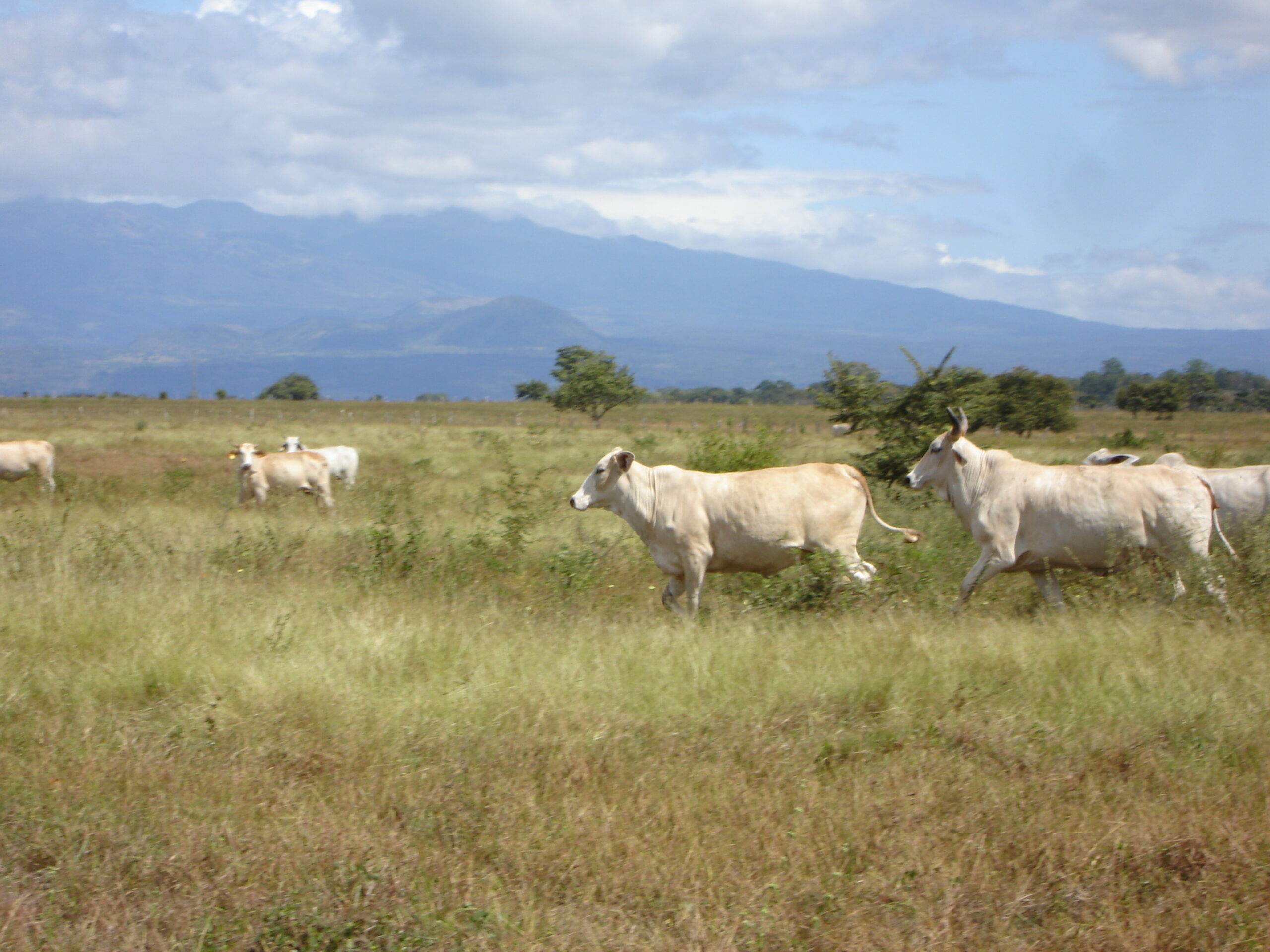
A Comprehensive Guide to the Specifications and Characteristics of Brahman Cattle
Introduction
Brahman cattle are one of the most well-known and oldest cattle breeds of Indian origin. They have spread across the world and proven their strength and adaptability in diverse and challenging environments, becoming a symbol of resilience and endurance.
In this comprehensive guide, we explore the key characteristics of this distinctive breed and explain the reasons behind its global success in livestock production, particularly in beef systems.
الأصل والتاريخ
Brahman cattle originate from the indigenous Indian cattle known as Zebu. They are easily recognized by the prominent hump located over the shoulders and neck.
Their history dates back thousands of years, where they were raised in India and held cultural significance in some traditions.
The breed was later introduced to North and South America in the late 19th and early 20th centuries. Through crossbreeding with local cattle, Brahman cattle evolved and adapted to tropical and subtropical environments.
الخصائص البدنية
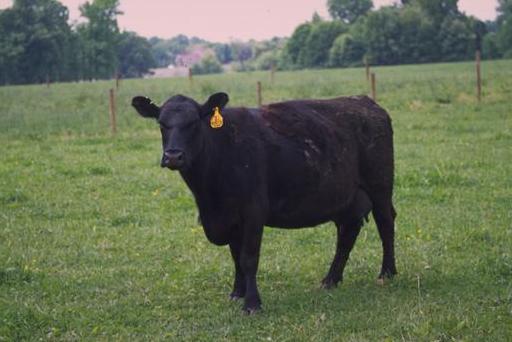
Hump: A large, soft hump above the shoulders, which is the most distinctive feature of the breed.
Skin: Thick, loose, and covered with short hair, providing protection against heat and insects.
Ears: Long and pendulous, aiding in body cooling.
Color: Ranges from light gray and white to reddish tones, with some darker variations.
Horns: Typically short and curved upward or outward.
Eyes: Large with a calm expression, and a broad forehead.
Tail: Long with a dense tuft of hair at the end.
Physiological and Behavioral Traits
Heat Tolerance: Known for exceptional tolerance to high temperatures and humidity due to active sweat glands and skin characteristics.
Parasite Resistance: Their thick, flexible skin helps repel insects, making them less susceptible to external parasites and skin diseases.
Endurance: Capable of surviving in harsh conditions with limited feed and water, and able to travel long distances without fatigue.
Temperament: Generally calm and manageable, though they may show protective behavior toward their calves.
Longevity: Brahman cattle have a long productive lifespan compared to many beef breeds.
خصائص الإنتاج
إنتاج اللحوم
Brahman cattle are primarily used for beef production. They have good growth performance and efficient feed conversion.
Their meat is lean with moderate flavor and maintains acceptable quality even when animals are slaughtered at older ages.
إنتاج الحليب
Although milk production is lower compared to European dairy breeds, Brahman milk is rich in fat and protein and is used in dairy products such as cheese in some regions.
Crossbreeding Value
Brahman cattle are widely used in crossbreeding programs to improve disease resistance, environmental adaptability, and overall performance of local breeds.
Crossbred offspring often show improved growth rates and enhanced meat quality.
Feeding and Management
Brahman cattle require a balanced feeding system that includes both roughage and green forage, along with essential minerals and vitamins.
Providing continuous access to clean water is crucial, especially in hot climates.
Health and Common Issues
Although Brahman cattle are highly resistant to many diseases, they may still be affected by internal and external parasites.
Regular vaccination programs and routine health monitoring are essential to maintain herd health.
Advantages and Challenges
المزايا
High tolerance to harsh environmental conditions.
Strong resistance to diseases and parasites.
Long productive lifespan.
Good meat quality.
Excellent adaptability.
التحديات
Lower milk production compared to specialized dairy breeds.
Slower growth rate compared to some European beef breeds.
Limited adaptability to extremely cold climates.
Economic Importance
Brahman cattle play a significant role in improving beef production in tropical and subtropical regions.
They contribute to increasing farm efficiency and profitability and are widely used in developing new crossbred lines that combine resilience with improved meat quality.
Tips for Raising Brahman Cattle
Select healthy animals with strong genetic traits.
Provide a clean environment and sufficient grazing space.
Follow consistent feeding and vaccination programs.
Monitor herd health regularly and respond early to any signs of illness.
Consult veterinary professionals for improved herd management and productivity.
خاتمة
Brahman cattle represent a valuable asset in the livestock industry due to their ability to perform under the most challenging environmental conditions.
With proper care and management, they can deliver strong production results and serve as a reliable choice for farmers across various agricultural systems.
كل ما تحتاج معرفته عن سلالة البراهما الفريدة
تُعد أبقار البراهما (Brahman) واحدة من أشهر وأقدم سلالات الأبقار ذات الأصول الهندية، والتي انتقلت إلى بقية دول العالم وأثبتت جدارتها في ظروف بيئية متنوعة وصعبة، حتى صارت رمزًا للقوة والقدرة على التحمل. في هذا الدليل الشامل، سنستعرض مواصفات وخصائص هذه السلالة المميزة، ونوضح أسباب انتشارها ونجاحها في مجالات تربية الماشية وإنتاج اللحوم.
أصل سلالة أبقار البراهما وتاريخها
أبقار البراهما هي سلالة منحدرة من الأبقار الهندية الأصيلة المعروفة باسم "الزيبو" (Zebu)، وتتميز بوجود السنام البارز فوق منطقة الكتف والرقبة. يرجع تاريخها إلى آلاف السنين حيث كانت تُربى في الهند وتُقدَّس في بعض الطقوس الدينية، وقد انتقلت إلى أمريكا الشمالية وأمريكا الجنوبية عن طريق الاستيراد من الهند في أواخر القرن التاسع عشر وأوائل القرن العشرين. بفضل تخليطها مع سلالات أخرى محلية، تطورت البراهما واكتسبت صفات مناسبة للبيئات الاستوائية وشبه الاستوائية.
المواصفات الشكلية لأبقار البراهما
السنام: سنام كبير ولين أعلى الكتفين، وهو أوضح ما يميز هذه السلالة.
الجلد: سميك ومرن ومغطى بشعر قصير، يساعد على مقاومة الحشرات والحرارة.
الأذنان: طويلة ومتدلية إلى الأسفل، مما يساعد في تهوية الجسم.
اللون: يتباين من الأبيض الرمادي إلى الأحمر الفاتح، مع وجود أفراد بلون غامق أكثر.
القرون: غالبًا ما تكون قصيرة ومنحنية للأعلى أو للخارج.
العيون: كبيرة وذات تعبير هادئ، والجبهة بارزة وعريضة.
الذيل: طويل ونهايته كثيفة الشعر.
الخصائص الفيزيولوجية والسلوكية
تحمل الحرارة: تشتهر أبقار البراهما بقدرتها العالية على تحمل درجات الحرارة المرتفعة والرطوبة، بفضل بشرتها الرقيقة وغددها العرقية النشطة.
مقاومة الطفيليات والحشرات: جلدها السميك وقدرتها على حركة الجلد تساعدها على التخلص من الحشرات، كما أنها أقل عرضة للإصابة بالأمراض الجلدية.
القدرة على التحمل: يمكن للبراهما أن تعيش في ظروف قاسية مع قلة الغذاء والماء، وتستطيع الرعي لمسافات طويلة دون إجهاد.
السلوك الهادئ: يعرف عن هذه الأبقار طبعها الهادئ والطائع، لكنها تظهر أحيانًا بعض التحفظ فيما يتعلق بالحماية والدفاع عن صغارها.
العمر الإنتاجي الطويل: تعيش البراهما وتنتج لفترات أطول مقارنة بسلالات اللحوم الأخرى، مما يجعلها خيارًا اقتصاديًا للمربين.
الخصائص الإنتاجية لأبقار البراهما
إنتاج اللحم
تُستخدم أبقار البراهما بشكل أساسي لإنتاج اللحوم، حيث تمتاز بسرعة النمو وكفاءة تحويل العلف إلى لحم. وتنتج لحومًا قليلة الدهن وذات نكهة جيدة، وتتحمل الذبح في أعمار متقدمة دون انخفاض جودة اللحم.
إنتاج الحليب
على الرغم من أن إنتاجها من الحليب أقل من سلالات الأبقار الأوروبية، إلا أن حليب البراهما يتميز بجودته ومحتواه العالي من الدهون والبروتين، حيث يفيد في إنتاج الجبن ومشتقاته في بعض البلدان.
الاستخدام في التهجين
يستفيد المربون من مزايا البراهما في برامج التهجين، حيث تُخلط مع سلالات اللحوم الأوروبية لتحسين مقاومة الأمراض والظروف البيئية، وإنتاج عجول ذات جودة لحم عالية وسرعة نمو أفضل.
الرعاية والتغذية
تحتاج أبقار البراهما إلى نظام غذائي متوازن يشمل الأعلاف الجافة والخضراء، مع توفير المعادن والفيتامينات الضرورية لصحة القطيع. كما يجب الاهتمام بتوفير الماء النظيف باستمرار، خاصة في الأجواء الحارة.
الصحة والأمراض الشائعة
بالرغم من أن البراهما مقاومة للعديد من الأمراض، إلا أنها قد تتعرض لبعض المشكلات الصحية مثل الطفيليات الداخلية والخارجية، لذا يجب الاهتمام ببرامج التحصين والفحص الدوري للحفاظ على صحة القطيع.
المميزات والتحديات
المميزات: تحمل الظروف البيئية الصعبة، مقاومة الأمراض، عمر إنتاجي طويل، جودة اللحوم، سهولة التأقلم.
التحديات: انخفاض إنتاج الحليب، بطء النمو مقارنة ببعض السلالات الأوروبية، صعوبة التأقلم في البيئات الباردة جدًا.
أهمية أبقار البراهما في الاقتصاد الزراعي
ساهمت هذه السلالة في تحسين إنتاج اللحوم في العديد من البلدان، خاصة في المناطق الاستوائية وشبه الاستوائية، حيث أدت إلى رفع كفاءة المزارع وزيادة العائد المادي للمربين. كما ساعدت في إنتاج سلالات هجينة جديدة تجمع بين مقاومة البراهما وجودة اللحوم الأوروبية.
نصائح تربية أبقار البراهما
اختيار أفراد سليمة وذات مواصفات جيدة عند التأسيس.
توفير بيئة نظيفة ومساحات كافية للرعي والحركة.
متابعة برامج التغذية والتحصين بشكل منتظم.
مراقبة الحالة الصحية للقطيع والتدخل المبكر عند ظهور أي علامات مرضية.
التواصل مع المختصين البيطريين والاستعانة بخبراتهم في تحسين الإنتاج.
خاتمة
تشكل أبقار البراهما قيمة كبيرة في صناعة الثروة الحيوانية، بفضل قدرتها على التأقلم والإنتاج في أصعب الظروف. ومع توفير الرعاية الملائمة واختيار السلالات بعناية، يمكن تحقيق أقصى استفادة من هذه السلالة العريقة، وجعلها خيارًا ناجحًا للمربيين في مختلف البيئات الزراعية.