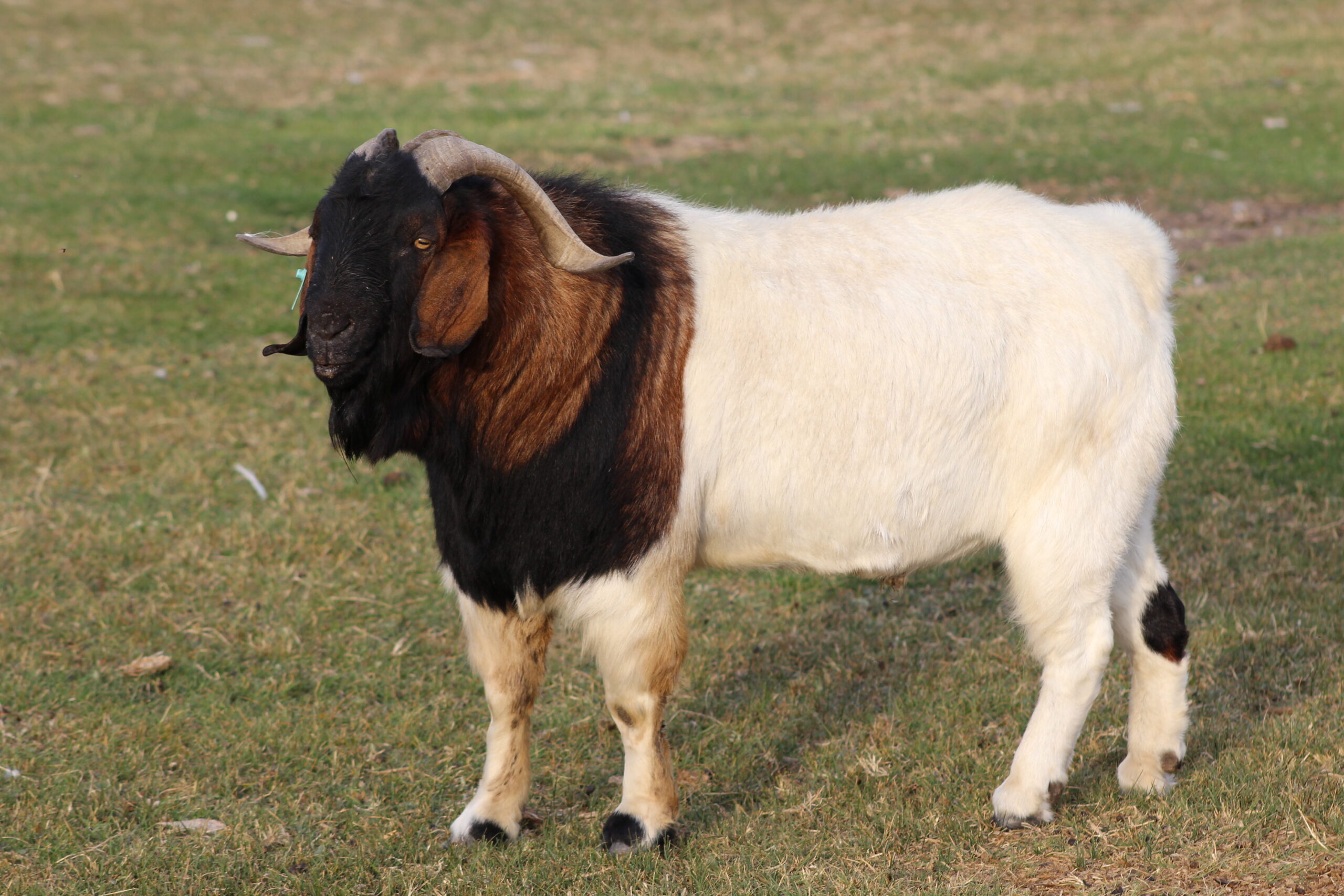
ماعز البور (Boer): وتتمتع بسمعة واسعة بين المربين والمستثمرين في قطاع تربية المواشي

A Comprehensive Guide to the Specifications and Characteristics of Boer Goats

Introduction

Boer goats are considered one of the most well-known and high-performing meat goat breeds worldwide. They have gained strong recognition among breeders and investors in the livestock sector.

Originating from South Africa, this breed has spread globally over recent decades, especially in countries focused on producing high-quality meat with fast growth rates.

This comprehensive guide covers the physical characteristics, productivity, genetic traits, healthcare, management practices, and economic importance of Boer goats.

Origin of the Boer Goat

The Boer goat originated in South Africa in the early 20th century. Local farmers selectively crossbred indigenous goats with European breeds to develop a fast-growing goat with superior meat quality.

Through careful selection and breeding, the modern Boer goat emerged with strong productivity and resilience to harsh conditions.

Physical Characteristics of Boer Goats

Size and Build: Boer goats are relatively large compared to most other goat breeds. Adult males typically weigh between 110 to 135 kg, while females range from 90 to 100 kg.

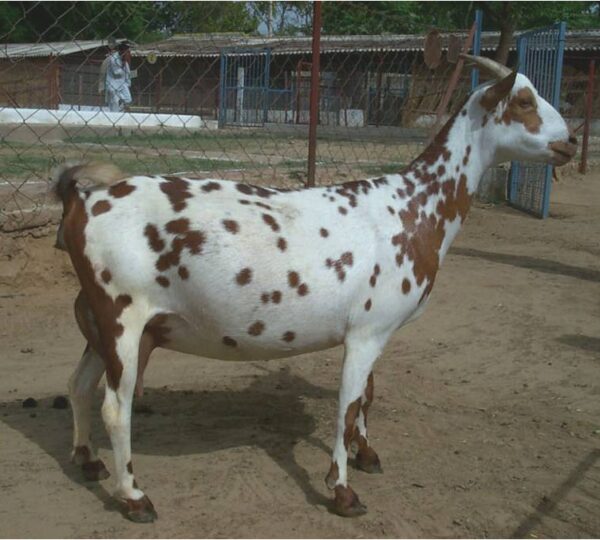
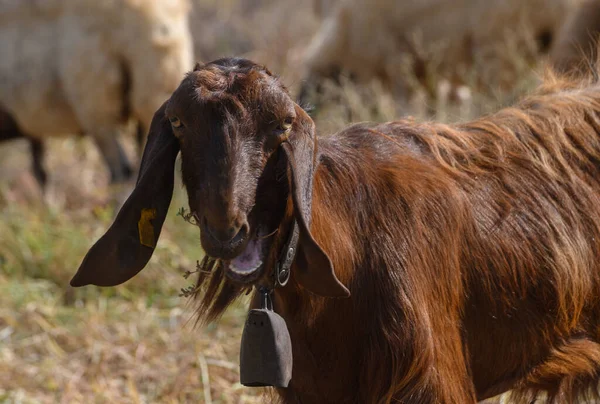
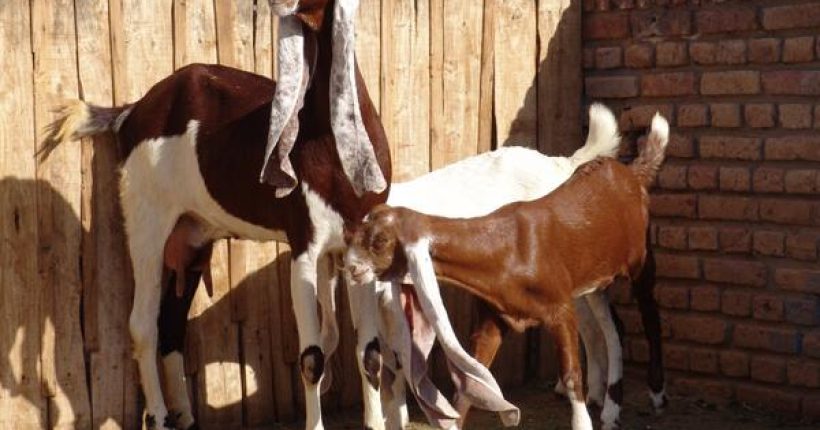
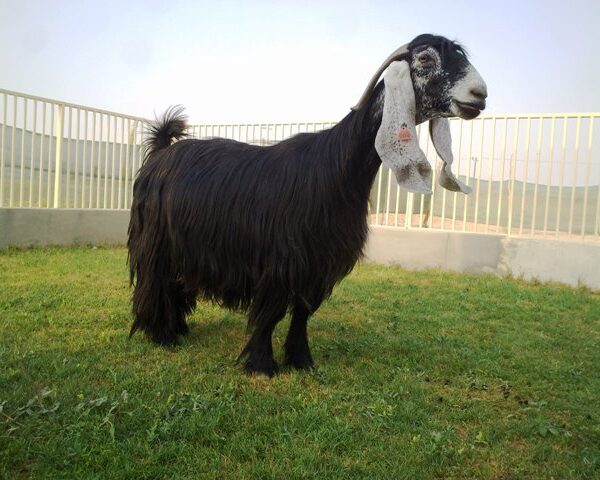
Appearance: They have a large, broad head and long, drooping ears. The body is usually white, with a dark brown or reddish head and neck.

Horns: Medium-length, strong horns that curve slightly backward.

Body Structure: The body is muscular and well-filled, with a straight back, broad abdomen, and strong legs suitable for grazing and movement.

Tail: Short and slightly raised above the back level.

Production and Functional Traits

Fast Growth: Boer goats are among the fastest-growing breeds, with kids reaching market weight within 3 to 5 months.

Meat Production: They produce high-quality meat that is lean, tender, and highly valued in global markets.

High Fertility: Females are known for their high fertility, often producing twins or even triplets.

Disease Resistance: They have good resistance to diseases and parasites, reducing veterinary and treatment costs.

Adaptability: They can adapt to various climates, from arid deserts to humid regions, and tolerate heat and drought effectively.

Genetic Characteristics and Reproduction

Boer goats have strong genetic traits that contribute to rapid growth and resilience.

The gestation period is approximately 150 days (around five months).

Kid mortality rates are generally low compared to other breeds due to strong maternal instincts and healthy offspring.

Superior males are often selected for breeding programs to improve herd quality through controlled breeding or artificial insemination.

Feeding and Management

Feeding: Boer goats feed on green forage and grains and can be raised in both open grazing systems and intensive production systems.

Water: They require a consistent supply of clean water daily, especially during pregnancy and lactation.

Healthcare: Regular vaccinations and parasite control programs are essential for maintaining herd health.

Housing: Proper shelter with good ventilation and protection from rain, wind, and extreme cold is necessary.

Hoof Care: Regular hoof trimming is recommended to prevent infections and mobility issues.

Common Challenges and Health Issues

Although generally resilient, Boer goats may experience digestive or respiratory issues, especially at a young age.

They can be affected by internal and external parasites, making preventive care essential.

Continuous monitoring is required to detect early signs of illness or changes in feeding and movement behavior.

Economic Importance

Boer goats are a preferred choice for small and medium-scale investment projects due to their excellent feed conversion efficiency and high profitability in a short period.

Their meat is in high demand in both local and international markets, particularly in the Gulf region, Australia, Brazil, and South Africa.

They are widely used in crossbreeding programs to improve local breeds, enhancing meat quality and growth rates.

Tips for New Breeders

Purchase animals with reliable genetic backgrounds from certified farms.

Start with a small herd and gradually expand as experience grows.

Consult a veterinarian to establish proper feeding and healthcare programs.

Provide a safe and clean environment to reduce mortality and improve productivity.

Stay updated with modern breeding practices through training programs and specialized resources.

خاتمة

Boer goats are an exceptional breed that combines high productivity, rapid growth, ease of management, and superior meat quality.

They represent a strong foundation for developing the goat farming sector and achieving profitable returns for breeders and investors.

Proper nutrition, healthcare, and genetic selection are key to success in raising this promising breed, and continuous learning and best practices adoption are essential for long-term excellence.

كل ما يجب معرفته عن ماعز البور: نشأتها، صفاتها، وأهميتها الاقتصادية

مقدمة

تُعد ماعز البور (Boer) واحدة من أشهر وأفضل سلالات الماعز المنتجة للحوم في العالم، وتتمتع بسمعة واسعة بين المربين والمستثمرين في قطاع تربية المواشي. يرجع أصل هذه السلالة إلى جنوب أفريقيا، وقد انتشرت في العقود الأخيرة في مختلف أنحاء العالم، خصوصًا في الدول التي تهتم بإنتاج اللحوم عالية الجودة وسريعة النمو. في هذا الدليل الشامل، سنتناول مواصفات ماعز البور من حيث الشكل، والإنتاجية، والخصائص الوراثية والصحية، وطرق التربية، وأهميتها الاقتصادية.

نشأة سلالة ماعز البور

تعود أصول ماعز البور إلى جنوب أفريقيا في بدايات القرن العشرين عندما بدأ المزارعون المحليون بتهجين سلالات الماعز المحلية مع سلالات أوروبية بهدف إنتاج ماعز سريع النمو وذو جودة لحم عالية. اعتمدوا على الانتخاب الطبيعي والاصطفاء الدقيق حتى ظهرت سلالة البور الحديثة بقوتها الإنتاجية وتحملها للظروف القاسية.

الخصائص الشكلية لماعز البور

الحجم والبنية: تتميز ماعز البور بحجمها الكبير نسبياً مقارنة بمعظم سلالات الماعز الأخرى. الذكور البالغة تزن غالباً بين 110 و135 كجم، بينما تزن الإناث بين 90 و100 كجم.

الشكل الخارجي: تمتلك رأساً كبيراً وعريضاً، وآذاناً طويلة تتدلى للأسفل. اللون الأبيض يغلب على الجسد، مع رأس أو رقبة بنية قاتمة أو حمراء بدرجات مختلفة.

القرون: لها قرون قوية متوسطة الطول ومنحنية إلى الوراء قليلاً.

الجسم: الجسم ممتلئ وعضلاته واضحة، والظهر مستقيم، والبطن واسعة، والأرجل قوية تدل على تحمل كبير للحركة والرعي.

الذيل: قصير ومرفوع قليلاً عن مستوى الظهر.

الصفات الإنتاجية والوظيفية

نمو سريع: تُعد ماعز البور من أسرع السلالات نمواً، حيث يصل الجدي إلى وزن الذبح المثالي خلال 3 إلى 5 أشهر فقط.

إنتاجية اللحوم: تعطي لحوماً ذات جودة عالية، خالية من الدهون الزائدة، وذات مذاق مميز مرغوب في الأسواق العالمية.

الخصوبة العالية: إناث البور معروفة بخصوبتها، إذ يمكنها وضع توائم أو حتى ثلاثة مواليد في كثير من الحالات.

مقاومة الأمراض: تتميز بمقاومتها الجيدة للأمراض والطفيليات، مما يقلل من تكاليف العلاج والرعاية البيطرية.

القدرة على التأقلم: تستطيع التأقلم مع مختلف المناخات، من الصحارى إلى المناطق الرطبة، وتتحمل الجفاف والحرارة العالية.

الخصائص الوراثية والتكاثر

تمتاز ماعز البور بنسبة عالية من التهجين الوراثي، ما يمنحها صفات قوية من حيث النمو والمقاومة.

فترة الحمل قصيرة نسبياً، تصل إلى حوالي 150 يوماً (خمسة أشهر تقريباً).

معدلات النفوق بين المواليد قليلة مقارنةً بسلالات أخرى نتيجة قوة الجهاز المناعي للأمهات وصحة الأجنة.

غالباً ما يتم اختيار الذكور ذات الصفات العليا لتحسين القطيع عبر التهجين الداخلي أو التلقيح الصناعي.

الرعاية والتغذية

التغذية: تعتمد ماعز البور على الأعلاف الخضراء والحبوب، ويمكن تربيتها بنجاح في نظام المراعي المفتوحة أو التربية المكثفة.

المياه: تحتاج إلى كميات وفيرة من المياه النظيفة يومياً، خاصة في فترات الحمل والإدرار.

الرعاية الصحية: تتطلب لقاحات دورية وفحص الطفيليات الداخلية والخارجية للحفاظ على القطيع.

المأوى: يجب توفير حظائر جيدة التهوية والوقاية من الأمطار والرياح والبرد الشديد.

الاهتمام بالأظلاف: يوصى بفحص الأظلاف وقصها دورياً لمنع الالتهابات والأمراض.

المشاكل الشائعة والأمراض المحتملة

رغم مقاومة ماعز البور للأمراض، إلا أنها قد تصاب أحياناً ببعض المشكلات مثل الالتهابات المعوية أو الأمراض التنفسية، خاصة عند صغار السن.

تتعرض أحياناً للإصابة بالطفيليات الداخلية والخارجية، لذلك يجب الالتزام ببرامج الوقاية.

لابد من مراقبة القطيع باستمرار لرصد أي علامات ضعف أو تغير في السلوك الغذائي أو الحركي.

أهمية ماعز البور الاقتصادية

تُعتبر خياراً مفضلاً للمشاريع الاستثمارية الصغيرة والمتوسطة، نظراً لمعدل التحويل الغذائي الممتاز والربحية العالية في فترة زمنية قصيرة.

تشهد لحوم ماعز البور طلباً متزايداً في الأسواق المحلية والعالمية، خاصة في دول الخليج وأستراليا والبرازيل وجنوب أفريقيا.

تستخدم أيضاً في برامج تحسين السلالات المحلية عبر التهجين، ما يرفع من جودة اللحوم ويسرع من معدلات النمو.

نصائح للمربين الجدد

يفضل شراء حيوانات ذات أصول وراثية معروفة وموثوقة من مزارع مرخصة.

البدء بعدد محدود من الرؤوس واكتساب الخبرة تدريجياً قبل التوسع في المشروع.

الاستعانة بطبيب بيطري مختص في إعداد برامج التغذية والرعاية الصحية.

توفير بيئة آمنة وصحية للحيوانات لتقليل معدلات النفوق وتحقيق أقصى إنتاجية.

المتابعة الدورية للمستجدات في مجال تربية ماعز البور من خلال الدورات والكتب المتخصصة.

خاتمة

ماعز البور سلالة استثنائية جمعت بين القوة الإنتاجية، وسرعة النمو، وسهولة التربية، وجودة اللحوم. لذا فهي تمثل ركيزة أساسية لتطوير قطاع تربية الماعز وتحقيق عوائد اقتصادية مجزية للمربين والمستثمرين. إن العناية بالتغذية، والصحة، والانتخاب الوراثي السليم هي مفاتيح النجاح في تربية هذه السلالة الواعدة، ويُنصح دائماً بالبحث المستمر وتبني أفضل الممارسات لضمان التفوق في هذا المجال الحيوي.
العلامات:

Share:

ماعز البور (Boer): وتتمتع بسمعة واسعة بين المربين والمستثمرين في قطاع تربية المواشي

A Comprehensive Guide to the Specifications and Characteristics of Boer Goats

Introduction

Boer goats are considered one of the most well-known and high-performing meat goat breeds worldwide. They have gained strong recognition among breeders and investors in the livestock sector.

Originating from South Africa, this breed has spread globally over recent decades, especially in countries focused on producing high-quality meat with fast growth rates.

This comprehensive guide covers the physical characteristics, productivity, genetic traits, healthcare, management practices, and economic importance of Boer goats.

Origin of the Boer Goat

The Boer goat originated in South Africa in the early 20th century. Local farmers selectively crossbred indigenous goats with European breeds to develop a fast-growing goat with superior meat quality.

Through careful selection and breeding, the modern Boer goat emerged with strong productivity and resilience to harsh conditions.

Physical Characteristics of Boer Goats

Size and Build: Boer goats are relatively large compared to most other goat breeds. Adult males typically weigh between 110 to 135 kg, while females range from 90 to 100 kg.

Appearance: They have a large, broad head and long, drooping ears. The body is usually white, with a dark brown or reddish head and neck.

Horns: Medium-length, strong horns that curve slightly backward.

Body Structure: The body is muscular and well-filled, with a straight back, broad abdomen, and strong legs suitable for grazing and movement.

Tail: Short and slightly raised above the back level.

Production and Functional Traits

Fast Growth: Boer goats are among the fastest-growing breeds, with kids reaching market weight within 3 to 5 months.

Meat Production: They produce high-quality meat that is lean, tender, and highly valued in global markets.

High Fertility: Females are known for their high fertility, often producing twins or even triplets.

Disease Resistance: They have good resistance to diseases and parasites, reducing veterinary and treatment costs.

Adaptability: They can adapt to various climates, from arid deserts to humid regions, and tolerate heat and drought effectively.

Genetic Characteristics and Reproduction

Boer goats have strong genetic traits that contribute to rapid growth and resilience.

The gestation period is approximately 150 days (around five months).

Kid mortality rates are generally low compared to other breeds due to strong maternal instincts and healthy offspring.

Superior males are often selected for breeding programs to improve herd quality through controlled breeding or artificial insemination.

Feeding and Management

Feeding: Boer goats feed on green forage and grains and can be raised in both open grazing systems and intensive production systems.

Water: They require a consistent supply of clean water daily, especially during pregnancy and lactation.

Healthcare: Regular vaccinations and parasite control programs are essential for maintaining herd health.

Housing: Proper shelter with good ventilation and protection from rain, wind, and extreme cold is necessary.

Hoof Care: Regular hoof trimming is recommended to prevent infections and mobility issues.

Common Challenges and Health Issues

Although generally resilient, Boer goats may experience digestive or respiratory issues, especially at a young age.

They can be affected by internal and external parasites, making preventive care essential.

Continuous monitoring is required to detect early signs of illness or changes in feeding and movement behavior.

Economic Importance

Boer goats are a preferred choice for small and medium-scale investment projects due to their excellent feed conversion efficiency and high profitability in a short period.

Their meat is in high demand in both local and international markets, particularly in the Gulf region, Australia, Brazil, and South Africa.

They are widely used in crossbreeding programs to improve local breeds, enhancing meat quality and growth rates.

Tips for New Breeders

Purchase animals with reliable genetic backgrounds from certified farms.

Start with a small herd and gradually expand as experience grows.

Consult a veterinarian to establish proper feeding and healthcare programs.

Provide a safe and clean environment to reduce mortality and improve productivity.

Stay updated with modern breeding practices through training programs and specialized resources.

خاتمة

Boer goats are an exceptional breed that combines high productivity, rapid growth, ease of management, and superior meat quality.

They represent a strong foundation for developing the goat farming sector and achieving profitable returns for breeders and investors.

Proper nutrition, healthcare, and genetic selection are key to success in raising this promising breed, and continuous learning and best practices adoption are essential for long-term excellence.

كل ما يجب معرفته عن ماعز البور: نشأتها، صفاتها، وأهميتها الاقتصادية

مقدمة

تُعد ماعز البور (Boer) واحدة من أشهر وأفضل سلالات الماعز المنتجة للحوم في العالم، وتتمتع بسمعة واسعة بين المربين والمستثمرين في قطاع تربية المواشي. يرجع أصل هذه السلالة إلى جنوب أفريقيا، وقد انتشرت في العقود الأخيرة في مختلف أنحاء العالم، خصوصًا في الدول التي تهتم بإنتاج اللحوم عالية الجودة وسريعة النمو. في هذا الدليل الشامل، سنتناول مواصفات ماعز البور من حيث الشكل، والإنتاجية، والخصائص الوراثية والصحية، وطرق التربية، وأهميتها الاقتصادية.

نشأة سلالة ماعز البور

تعود أصول ماعز البور إلى جنوب أفريقيا في بدايات القرن العشرين عندما بدأ المزارعون المحليون بتهجين سلالات الماعز المحلية مع سلالات أوروبية بهدف إنتاج ماعز سريع النمو وذو جودة لحم عالية. اعتمدوا على الانتخاب الطبيعي والاصطفاء الدقيق حتى ظهرت سلالة البور الحديثة بقوتها الإنتاجية وتحملها للظروف القاسية.

الخصائص الشكلية لماعز البور

الحجم والبنية: تتميز ماعز البور بحجمها الكبير نسبياً مقارنة بمعظم سلالات الماعز الأخرى. الذكور البالغة تزن غالباً بين 110 و135 كجم، بينما تزن الإناث بين 90 و100 كجم.

الشكل الخارجي: تمتلك رأساً كبيراً وعريضاً، وآذاناً طويلة تتدلى للأسفل. اللون الأبيض يغلب على الجسد، مع رأس أو رقبة بنية قاتمة أو حمراء بدرجات مختلفة.

القرون: لها قرون قوية متوسطة الطول ومنحنية إلى الوراء قليلاً.

الجسم: الجسم ممتلئ وعضلاته واضحة، والظهر مستقيم، والبطن واسعة، والأرجل قوية تدل على تحمل كبير للحركة والرعي.

الذيل: قصير ومرفوع قليلاً عن مستوى الظهر.

الصفات الإنتاجية والوظيفية

نمو سريع: تُعد ماعز البور من أسرع السلالات نمواً، حيث يصل الجدي إلى وزن الذبح المثالي خلال 3 إلى 5 أشهر فقط.

إنتاجية اللحوم: تعطي لحوماً ذات جودة عالية، خالية من الدهون الزائدة، وذات مذاق مميز مرغوب في الأسواق العالمية.

الخصوبة العالية: إناث البور معروفة بخصوبتها، إذ يمكنها وضع توائم أو حتى ثلاثة مواليد في كثير من الحالات.

مقاومة الأمراض: تتميز بمقاومتها الجيدة للأمراض والطفيليات، مما يقلل من تكاليف العلاج والرعاية البيطرية.

القدرة على التأقلم: تستطيع التأقلم مع مختلف المناخات، من الصحارى إلى المناطق الرطبة، وتتحمل الجفاف والحرارة العالية.

الخصائص الوراثية والتكاثر

تمتاز ماعز البور بنسبة عالية من التهجين الوراثي، ما يمنحها صفات قوية من حيث النمو والمقاومة.

فترة الحمل قصيرة نسبياً، تصل إلى حوالي 150 يوماً (خمسة أشهر تقريباً).

معدلات النفوق بين المواليد قليلة مقارنةً بسلالات أخرى نتيجة قوة الجهاز المناعي للأمهات وصحة الأجنة.

غالباً ما يتم اختيار الذكور ذات الصفات العليا لتحسين القطيع عبر التهجين الداخلي أو التلقيح الصناعي.

الرعاية والتغذية

التغذية: تعتمد ماعز البور على الأعلاف الخضراء والحبوب، ويمكن تربيتها بنجاح في نظام المراعي المفتوحة أو التربية المكثفة.

المياه: تحتاج إلى كميات وفيرة من المياه النظيفة يومياً، خاصة في فترات الحمل والإدرار.

الرعاية الصحية: تتطلب لقاحات دورية وفحص الطفيليات الداخلية والخارجية للحفاظ على القطيع.

المأوى: يجب توفير حظائر جيدة التهوية والوقاية من الأمطار والرياح والبرد الشديد.

الاهتمام بالأظلاف: يوصى بفحص الأظلاف وقصها دورياً لمنع الالتهابات والأمراض.

المشاكل الشائعة والأمراض المحتملة

رغم مقاومة ماعز البور للأمراض، إلا أنها قد تصاب أحياناً ببعض المشكلات مثل الالتهابات المعوية أو الأمراض التنفسية، خاصة عند صغار السن.

تتعرض أحياناً للإصابة بالطفيليات الداخلية والخارجية، لذلك يجب الالتزام ببرامج الوقاية.

لابد من مراقبة القطيع باستمرار لرصد أي علامات ضعف أو تغير في السلوك الغذائي أو الحركي.

أهمية ماعز البور الاقتصادية

تُعتبر خياراً مفضلاً للمشاريع الاستثمارية الصغيرة والمتوسطة، نظراً لمعدل التحويل الغذائي الممتاز والربحية العالية في فترة زمنية قصيرة.

تشهد لحوم ماعز البور طلباً متزايداً في الأسواق المحلية والعالمية، خاصة في دول الخليج وأستراليا والبرازيل وجنوب أفريقيا.

تستخدم أيضاً في برامج تحسين السلالات المحلية عبر التهجين، ما يرفع من جودة اللحوم ويسرع من معدلات النمو.

نصائح للمربين الجدد

يفضل شراء حيوانات ذات أصول وراثية معروفة وموثوقة من مزارع مرخصة.

البدء بعدد محدود من الرؤوس واكتساب الخبرة تدريجياً قبل التوسع في المشروع.

الاستعانة بطبيب بيطري مختص في إعداد برامج التغذية والرعاية الصحية.

توفير بيئة آمنة وصحية للحيوانات لتقليل معدلات النفوق وتحقيق أقصى إنتاجية.

المتابعة الدورية للمستجدات في مجال تربية ماعز البور من خلال الدورات والكتب المتخصصة.

خاتمة

ماعز البور سلالة استثنائية جمعت بين القوة الإنتاجية، وسرعة النمو، وسهولة التربية، وجودة اللحوم. لذا فهي تمثل ركيزة أساسية لتطوير قطاع تربية الماعز وتحقيق عوائد اقتصادية مجزية للمربين والمستثمرين. إن العناية بالتغذية، والصحة، والانتخاب الوراثي السليم هي مفاتيح النجاح في تربية هذه السلالة الواعدة، ويُنصح دائماً بالبحث المستمر وتبني أفضل الممارسات لضمان التفوق في هذا المجال الحيوي.
العلامات:

Share:

قد يعجبك أيضًا

A Comprehensive Guide to the Specifications and Characteristics of Hejazi Goats Introduction The Hejazi goat is one of the most...
A Comprehensive Guide to the Specifications and Characteristics of Shami Goats Introduction The Shami goat is one of the most...
A Comprehensive Guide to the Specifications and Characteristics of Angus Cattle Introduction Angus cattle are among the most popular and...