ابقار البراون سويس (Brown Swiss): أشهر وأقدم سلالات الأبقار الحلوب في العالم وتتميز بإنتاجيتها العالية من الحليب وجودته الفائقة

A Comprehensive Guide to the Specifications and Characteristics of Brown Swiss Cattle

Introduction

Brown Swiss cattle are among the most well-known and oldest dairy breeds in the world. They are recognized for their high milk production, excellent milk quality, and strong adaptability to a wide range of environmental and climatic conditions.

Originating in Switzerland, particularly in mountainous regions, this breed has spread across all five continents and is widely used in dairy farms worldwide.

الأصل والتاريخ

The Brown Swiss breed traces its origins to the Swiss Alps, where farmers have raised these cattle for over a thousand years.

The primary goal was to develop a strong and resilient breed capable of withstanding harsh climates while producing both milk and meat of high quality.

Over time, selective breeding improved their productivity, and the breed was exported to the Americas, Europe, Asia, and Africa, where it maintained its strong genetic traits.

الخصائص البدنية

Size and Build: Brown Swiss cattle are large in size. Adult females typically weigh between 600 to 700 kg, while males can exceed 1100 kg. They have a strong body, balanced musculature, and solid bone structure, allowing them to perform well in mountainous and uneven terrain.

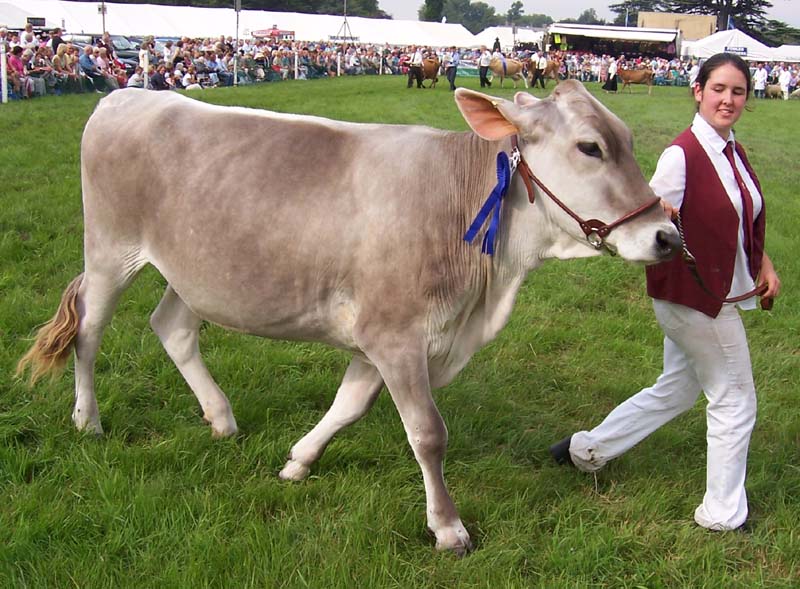
Coat Color: The coat ranges from light brown to dark brown, often with gray or white shading around the muzzle, nose, legs, and tail.

Head and Face: Medium-sized head with a broad forehead, large expressive eyes, and wide ears covered with fine hair.

Horns: Most individuals have medium-length horns, though polled (hornless) lines are increasingly common.

Udder: Well-attached and structured, with medium-sized teats suitable for both manual and machine milking.

Production Capacity

إنتاج الحليب

Brown Swiss cattle are among the leading dairy breeds in terms of both milk yield and quality.

The average annual milk production ranges between 7,000 to 9,000 liters, with some cows exceeding 12,000 liters under optimal conditions.

Their milk is rich in protein and calcium, with moderate fat content (around 4%), making it particularly suitable for cheese production, especially Swiss-type cheeses.

إنتاج اللحوم

Although primarily a dairy breed, Brown Swiss cattle also have good meat production qualities.

They exhibit steady growth and produce meat with moderate fat content, offering a rich flavor and firm texture.

Genetic and Health Characteristics

Hardiness: Known for their strong adaptability to harsh environmental conditions, including both cold and hot climates, due to their thick skin and dense coat.

Health: Naturally resistant to many common cattle diseases, particularly mastitis and leg-related issues, reducing veterinary costs.

Longevity: They have a long productive lifespan, often remaining productive for 12 to 15 years.

Calving: Generally experience easy calving, with calves born strong and healthy.

Behavior and Temperament

Brown Swiss cattle are known for their calm and friendly temperament, making them easy to handle in farm environments.

They are also intelligent and adaptable, responding well to training and modern dairy systems.

Environment and Feeding

This breed efficiently utilizes a wide range of feed types, including both green forage and dry feed.

They are capable of grazing in mountainous, pasture-based, or even semi-arid environments.

Proper nutrition, including adequate water and mineral supplementation, is essential to maintain their health and high productivity.

Strengths and Weaknesses

Strengths

High milk production with excellent quality.

Strong adaptability to different environmental conditions.

Long productive lifespan.

Easy handling and management.

Good resistance to common diseases.

Weaknesses

Requires high-quality nutrition to achieve maximum milk production.

Some individuals may be prone to rare genetic issues if breeding is not well managed.

Higher initial cost for purebred animals compared to some local breeds.

Comparison with Other Breeds

Brown Swiss cattle stand out for their balance between production quality and longevity.

Compared to Holstein cattle, they produce slightly less milk in quantity but offer higher protein quality and more stable long-term performance.

Compared to Jersey cattle, they are larger in size and produce more milk, but with lower fat content.

Modern Uses and Global Distribution

Today, Brown Swiss cattle are widely used in commercial milk production and cheese manufacturing. Their calves are also used for meat production in many countries.

The breed is present across North and South America, Europe, and Australia, and is frequently used in crossbreeding programs to improve local cattle productivity in many Arab and African regions.

خاتمة

Brown Swiss cattle remain one of the most balanced and versatile cattle breeds in the world.

They combine high-quality milk production, adaptability, ease of management, and strong physical structure, making them a strategic choice for sustainable and profitable dairy farming.

كل ما تحتاج معرفته عن سلالة الأبقار السويسرية العالمية

مقدمة

سلالة البراون سويس (Brown Swiss) تُعد واحدة من أشهر وأقدم سلالات الأبقار الحلوب في العالم، وتتميز بإنتاجيتها العالية من الحليب وجودته الفائقة، فضلاً عن قدرتها على التكيف في ظروف مناخية وبيئية متنوعة. يعود أصل هذه السلالة إلى سويسرا، وتحديداً إلى المناطق الجبلية، وقد انتشرت اليوم في القارات الخمس وأصبحت خياراً مفضلاً لكثير من مزارع الألبان حول العالم.

الأصل والتاريخ

ترجع جذور البراون سويس إلى جبال الألب السويسرية، حيث بدأ المزارعون في تربيتها منذ أكثر من ألف عام. كان الهدف الأساسي من تطوير هذه السلالة هو الحصول على أبقار قوية تتحمل المناخ القاسي وتنتج الحليب واللحم بجودة عالية. مع الوقت، تطورت السلالة بفضل عمليات الانتقاء والعناية لتلبي احتياجات الأسواق العالمية، وتم تصديرها إلى الأمريكيتين وأوروبا وآسيا وأفريقيا، حيث ظلت محافظة على صفاتها الوراثية المتميزة.

الصفات الشكلية

الحجم والبنية: البراون سويس من الأبقار كبيرة الحجم، إذ يتراوح وزن الأنثى البالغة بين 600 إلى 700 كجم، بينما قد يصل وزن الذكر إلى أكثر من 1100 كجم. تمتاز بجسم قوي وعضلات متناسقة وعظام ضخمة، ما يجعلها قادرة على العمل في المناطق الجبلية أو المنحدرة.

لون الجسم: يتدرج لون شعر البراون سويس من البني الفاتح إلى البني الداكن، مع وجود مناطق رمادية أو بيضاء حول الفم والأنف، وعلى أطراف الأرجل والذيل أحياناً.

الرأس والوجه: الرأس متوسط الحجم، ذو جبهة عريضة وعيون كبيرة لامعة، والأذنان متوسعتان ومكسوتان بالشعر الناعم.

القرون: معظم أفراد السلالة لديهم قرون متوسطة الطول، لكن مع تطور برامج التربية، أصبحت بعض الأبقار خالية من القرون.

ضرع الحليب: يتميز ضرع البراون سويس بالتماسك الجيد وحلمات متوسطة الطول، ما يسهل عملية الحلب اليدوي أو الآلي.

القدرة الإنتاجية

إنتاج الحليب

تشتهر أبقار البراون سويس بكونها من أوائل السلالات في العالم من حيث إنتاج الحليب وجودته. يبلغ متوسط إنتاج البقرة الواحدة في العام بين 7000 إلى 9000 لتر من الحليب، وبإمكان بعض الأبقار الوصول إلى أكثر من 12000 لتر في الظروف المثالية. يُعرف حليبها بغناه بالبروتين والكالسيوم ونسبة الدهن المعتدلة (حوالي 4%)، ما يجعله مثالياً لصناعة الجبن، وبخاصة "الجبن السويسري" الشهير.

إنتاج اللحم

على الرغم من تصنيف البراون سويس كسلالة حلوب بالأساس، إلا أنها تتمتع بمواصفات جيدة لإنتاج اللحم كذلك. تتميز بسرعة النمو ووفرة اللحم مع نسبة دهون متوسطة، ما يعطي لحماً ذا مذاق غني ونسيج متماسك.

الخصائص الوراثية والصحية

التحمل والصلابة: تعرف أبقار البراون سويس بقدرتها العالية على تحمل الظروف البيئية القاسية من برد أو حرارة، بفضل جلدها السميك وشعرها الكثيف.

الصحة العامة: مقاومة طبيعية لعدد من الأمراض الشائعة بين الأبقار، خاصة التهابات الضرع ومشاكل الأرجل، ما يقلل من تكاليف الرعاية الصحية.

طول العمر الإنتاجي: تمتلك البراون سويس عمر إنتاجي طويل نسبياً، إذ يمكن أن تعيش وتنتج حليباً بكفاءة حتى 12-15 سنة.

سهولة الولادة: غالباً ما تكون الولادة سهلة وغير معقدة، وتتميز العجول بقوة بنية الجسم منذ الولادة.

السلوك والطباع

أبقار البراون سويس معروفة بطبعها الهادئ والودود، ما يسهل التعامل معها في المزارع. كما يُلاحظ ذكاؤها وسرعة استجابتها للتدريب والتأقلم مع الأنظمة الحديثة للحظائر والحلب.

البيئة والتغذية

تتميز البراون سويس بقدرتها على الاستفادة من أنواع مختلفة من الأعلاف، سواء الخضراء أو الجافة، وتستطيع الرعي في المراعي الجبلية والصحراوية على حد سواء. تتكيف مع أنظمة التغذية المركزة أو الرعوية التقليدية، وتحتاج إلى كميات كافية من الماء والمعادن للحفاظ على صحتها وإنتاجيتها العالية.

نقاط القوة والضعف

نقاط القوة:

إنتاجية عالية من الحليب بجودة ممتازة.

تحمل الظروف البيئية المختلفة.

طول العمر الإنتاجي.

سهولة التعامل والرعاية.

مقاومة للأمراض الشائعة.

نقاط الضعف:

تحتاج إلى رعاية غذائية جيدة لضمان أعلى إنتاجية للحليب.

بعض الأفراد قد يكونون عرضة لأمراض وراثية نادرة في حال عدم الانتباه لعمليات التهجين.

تكلفة شراء العجول أو الأبقار الأصيلة مرتفعة نسبياً مقارنة ببعض السلالات المحلية.

مقارنة مع السلالات الأخرى

تتفوق البراون سويس على كثير من السلالات الأخرى من حيث جودة الحليب واستدامة الإنتاج وطول العمر. مقارنة بسلالة الهولستاين، فهي أقل إنتاجية من حيث الكم لكنها تتفوق عليها في جودة البروتين والدهن. أما مقارنة بسلالة الجيرسي، فهي أكبر حجماً وأقل دهوناً، لكن إنتاجها أكبر وقدرتها أعلى على تحمل الظروف الصعبة.

الاستخدامات الحديثة وانتشار السلالة

تستخدم البراون سويس اليوم في إنتاج الحليب التجاري وصناعة الأجبان، كما تُستخدم عجولها في إنتاج اللحم في كثير من الدول. وتنتشر السلالة في أمريكا الشمالية وأمريكا الجنوبية وأوروبا وأستراليا، وتدخل في برامج تهجين لتحسين صفات القطعان المحلية في العديد من البلدان العربية والأفريقية.

خلاصة

تظل البراون سويس واحدة من أكثر السلالات تكاملاً وتوازناً في العالم، تجمع بين جودة الحليب، التحمل، سهولة التربية، وقوة البنية. كل هذه الصفات تجعلها خياراً استراتيجياً لكل من يبحث عن إنتاج مستدام واقتصادي في قطاع تربية الأبقار.
العلامات:

Share:

ابقار البراون سويس (Brown Swiss): أشهر وأقدم سلالات الأبقار الحلوب في العالم وتتميز بإنتاجيتها العالية من الحليب وجودته الفائقة

A Comprehensive Guide to the Specifications and Characteristics of Brown Swiss Cattle

Introduction

Brown Swiss cattle are among the most well-known and oldest dairy breeds in the world. They are recognized for their high milk production, excellent milk quality, and strong adaptability to a wide range of environmental and climatic conditions.

Originating in Switzerland, particularly in mountainous regions, this breed has spread across all five continents and is widely used in dairy farms worldwide.

الأصل والتاريخ

The Brown Swiss breed traces its origins to the Swiss Alps, where farmers have raised these cattle for over a thousand years.

The primary goal was to develop a strong and resilient breed capable of withstanding harsh climates while producing both milk and meat of high quality.

Over time, selective breeding improved their productivity, and the breed was exported to the Americas, Europe, Asia, and Africa, where it maintained its strong genetic traits.

الخصائص البدنية

Size and Build: Brown Swiss cattle are large in size. Adult females typically weigh between 600 to 700 kg, while males can exceed 1100 kg. They have a strong body, balanced musculature, and solid bone structure, allowing them to perform well in mountainous and uneven terrain.

Coat Color: The coat ranges from light brown to dark brown, often with gray or white shading around the muzzle, nose, legs, and tail.

Head and Face: Medium-sized head with a broad forehead, large expressive eyes, and wide ears covered with fine hair.

Horns: Most individuals have medium-length horns, though polled (hornless) lines are increasingly common.

Udder: Well-attached and structured, with medium-sized teats suitable for both manual and machine milking.

Production Capacity

إنتاج الحليب

Brown Swiss cattle are among the leading dairy breeds in terms of both milk yield and quality.

The average annual milk production ranges between 7,000 to 9,000 liters, with some cows exceeding 12,000 liters under optimal conditions.

Their milk is rich in protein and calcium, with moderate fat content (around 4%), making it particularly suitable for cheese production, especially Swiss-type cheeses.

إنتاج اللحوم

Although primarily a dairy breed, Brown Swiss cattle also have good meat production qualities.

They exhibit steady growth and produce meat with moderate fat content, offering a rich flavor and firm texture.

Genetic and Health Characteristics

Hardiness: Known for their strong adaptability to harsh environmental conditions, including both cold and hot climates, due to their thick skin and dense coat.

Health: Naturally resistant to many common cattle diseases, particularly mastitis and leg-related issues, reducing veterinary costs.

Longevity: They have a long productive lifespan, often remaining productive for 12 to 15 years.

Calving: Generally experience easy calving, with calves born strong and healthy.

Behavior and Temperament

Brown Swiss cattle are known for their calm and friendly temperament, making them easy to handle in farm environments.

They are also intelligent and adaptable, responding well to training and modern dairy systems.

Environment and Feeding

This breed efficiently utilizes a wide range of feed types, including both green forage and dry feed.

They are capable of grazing in mountainous, pasture-based, or even semi-arid environments.

Proper nutrition, including adequate water and mineral supplementation, is essential to maintain their health and high productivity.

Strengths and Weaknesses

Strengths

High milk production with excellent quality.

Strong adaptability to different environmental conditions.

Long productive lifespan.

Easy handling and management.

Good resistance to common diseases.

Weaknesses

Requires high-quality nutrition to achieve maximum milk production.

Some individuals may be prone to rare genetic issues if breeding is not well managed.

Higher initial cost for purebred animals compared to some local breeds.

Comparison with Other Breeds

Brown Swiss cattle stand out for their balance between production quality and longevity.

Compared to Holstein cattle, they produce slightly less milk in quantity but offer higher protein quality and more stable long-term performance.

Compared to Jersey cattle, they are larger in size and produce more milk, but with lower fat content.

Modern Uses and Global Distribution

Today, Brown Swiss cattle are widely used in commercial milk production and cheese manufacturing. Their calves are also used for meat production in many countries.

The breed is present across North and South America, Europe, and Australia, and is frequently used in crossbreeding programs to improve local cattle productivity in many Arab and African regions.

خاتمة

Brown Swiss cattle remain one of the most balanced and versatile cattle breeds in the world.

They combine high-quality milk production, adaptability, ease of management, and strong physical structure, making them a strategic choice for sustainable and profitable dairy farming.

كل ما تحتاج معرفته عن سلالة الأبقار السويسرية العالمية

مقدمة

سلالة البراون سويس (Brown Swiss) تُعد واحدة من أشهر وأقدم سلالات الأبقار الحلوب في العالم، وتتميز بإنتاجيتها العالية من الحليب وجودته الفائقة، فضلاً عن قدرتها على التكيف في ظروف مناخية وبيئية متنوعة. يعود أصل هذه السلالة إلى سويسرا، وتحديداً إلى المناطق الجبلية، وقد انتشرت اليوم في القارات الخمس وأصبحت خياراً مفضلاً لكثير من مزارع الألبان حول العالم.

الأصل والتاريخ

ترجع جذور البراون سويس إلى جبال الألب السويسرية، حيث بدأ المزارعون في تربيتها منذ أكثر من ألف عام. كان الهدف الأساسي من تطوير هذه السلالة هو الحصول على أبقار قوية تتحمل المناخ القاسي وتنتج الحليب واللحم بجودة عالية. مع الوقت، تطورت السلالة بفضل عمليات الانتقاء والعناية لتلبي احتياجات الأسواق العالمية، وتم تصديرها إلى الأمريكيتين وأوروبا وآسيا وأفريقيا، حيث ظلت محافظة على صفاتها الوراثية المتميزة.

الصفات الشكلية

الحجم والبنية: البراون سويس من الأبقار كبيرة الحجم، إذ يتراوح وزن الأنثى البالغة بين 600 إلى 700 كجم، بينما قد يصل وزن الذكر إلى أكثر من 1100 كجم. تمتاز بجسم قوي وعضلات متناسقة وعظام ضخمة، ما يجعلها قادرة على العمل في المناطق الجبلية أو المنحدرة.

لون الجسم: يتدرج لون شعر البراون سويس من البني الفاتح إلى البني الداكن، مع وجود مناطق رمادية أو بيضاء حول الفم والأنف، وعلى أطراف الأرجل والذيل أحياناً.

الرأس والوجه: الرأس متوسط الحجم، ذو جبهة عريضة وعيون كبيرة لامعة، والأذنان متوسعتان ومكسوتان بالشعر الناعم.

القرون: معظم أفراد السلالة لديهم قرون متوسطة الطول، لكن مع تطور برامج التربية، أصبحت بعض الأبقار خالية من القرون.

ضرع الحليب: يتميز ضرع البراون سويس بالتماسك الجيد وحلمات متوسطة الطول، ما يسهل عملية الحلب اليدوي أو الآلي.

القدرة الإنتاجية

إنتاج الحليب

تشتهر أبقار البراون سويس بكونها من أوائل السلالات في العالم من حيث إنتاج الحليب وجودته. يبلغ متوسط إنتاج البقرة الواحدة في العام بين 7000 إلى 9000 لتر من الحليب، وبإمكان بعض الأبقار الوصول إلى أكثر من 12000 لتر في الظروف المثالية. يُعرف حليبها بغناه بالبروتين والكالسيوم ونسبة الدهن المعتدلة (حوالي 4%)، ما يجعله مثالياً لصناعة الجبن، وبخاصة "الجبن السويسري" الشهير.

إنتاج اللحم

على الرغم من تصنيف البراون سويس كسلالة حلوب بالأساس، إلا أنها تتمتع بمواصفات جيدة لإنتاج اللحم كذلك. تتميز بسرعة النمو ووفرة اللحم مع نسبة دهون متوسطة، ما يعطي لحماً ذا مذاق غني ونسيج متماسك.

الخصائص الوراثية والصحية

التحمل والصلابة: تعرف أبقار البراون سويس بقدرتها العالية على تحمل الظروف البيئية القاسية من برد أو حرارة، بفضل جلدها السميك وشعرها الكثيف.

الصحة العامة: مقاومة طبيعية لعدد من الأمراض الشائعة بين الأبقار، خاصة التهابات الضرع ومشاكل الأرجل، ما يقلل من تكاليف الرعاية الصحية.

طول العمر الإنتاجي: تمتلك البراون سويس عمر إنتاجي طويل نسبياً، إذ يمكن أن تعيش وتنتج حليباً بكفاءة حتى 12-15 سنة.

سهولة الولادة: غالباً ما تكون الولادة سهلة وغير معقدة، وتتميز العجول بقوة بنية الجسم منذ الولادة.

السلوك والطباع

أبقار البراون سويس معروفة بطبعها الهادئ والودود، ما يسهل التعامل معها في المزارع. كما يُلاحظ ذكاؤها وسرعة استجابتها للتدريب والتأقلم مع الأنظمة الحديثة للحظائر والحلب.

البيئة والتغذية

تتميز البراون سويس بقدرتها على الاستفادة من أنواع مختلفة من الأعلاف، سواء الخضراء أو الجافة، وتستطيع الرعي في المراعي الجبلية والصحراوية على حد سواء. تتكيف مع أنظمة التغذية المركزة أو الرعوية التقليدية، وتحتاج إلى كميات كافية من الماء والمعادن للحفاظ على صحتها وإنتاجيتها العالية.

نقاط القوة والضعف

نقاط القوة:

إنتاجية عالية من الحليب بجودة ممتازة.

تحمل الظروف البيئية المختلفة.

طول العمر الإنتاجي.

سهولة التعامل والرعاية.

مقاومة للأمراض الشائعة.

نقاط الضعف:

تحتاج إلى رعاية غذائية جيدة لضمان أعلى إنتاجية للحليب.

بعض الأفراد قد يكونون عرضة لأمراض وراثية نادرة في حال عدم الانتباه لعمليات التهجين.

تكلفة شراء العجول أو الأبقار الأصيلة مرتفعة نسبياً مقارنة ببعض السلالات المحلية.

مقارنة مع السلالات الأخرى

تتفوق البراون سويس على كثير من السلالات الأخرى من حيث جودة الحليب واستدامة الإنتاج وطول العمر. مقارنة بسلالة الهولستاين، فهي أقل إنتاجية من حيث الكم لكنها تتفوق عليها في جودة البروتين والدهن. أما مقارنة بسلالة الجيرسي، فهي أكبر حجماً وأقل دهوناً، لكن إنتاجها أكبر وقدرتها أعلى على تحمل الظروف الصعبة.

الاستخدامات الحديثة وانتشار السلالة

تستخدم البراون سويس اليوم في إنتاج الحليب التجاري وصناعة الأجبان، كما تُستخدم عجولها في إنتاج اللحم في كثير من الدول. وتنتشر السلالة في أمريكا الشمالية وأمريكا الجنوبية وأوروبا وأستراليا، وتدخل في برامج تهجين لتحسين صفات القطعان المحلية في العديد من البلدان العربية والأفريقية.

خلاصة

تظل البراون سويس واحدة من أكثر السلالات تكاملاً وتوازناً في العالم، تجمع بين جودة الحليب، التحمل، سهولة التربية، وقوة البنية. كل هذه الصفات تجعلها خياراً استراتيجياً لكل من يبحث عن إنتاج مستدام واقتصادي في قطاع تربية الأبقار.
العلامات:

Share:

قد يعجبك أيضًا

A Comprehensive Guide to the Specifications and Characteristics of Hejazi Goats Introduction The Hejazi goat is one of the most...
A Comprehensive Guide to the Specifications and Characteristics of Shami Goats Introduction The Shami goat is one of the most...
A Comprehensive Guide to the Specifications and Characteristics of Salali Goats Introduction The Salali goat, also known in some regions...
A Comprehensive Guide to the Specifications and Characteristics of Angus Cattle Introduction Angus cattle are among the most popular and...