A Comprehensive Guide to the Specifications and Characteristics of Hereford Cattle
Introduction
Hereford cattle are one of the most well-known and oldest beef cattle breeds in the world. They have gained a strong global reputation due to their unique genetic traits and their ability to adapt to diverse environments.
In this comprehensive guide, we explore the origin of the Hereford breed, its physical and production characteristics, advantages in breeding, common challenges, and best practices for management and care.
Origin and History of the Hereford Breed
The Hereford breed originated in Herefordshire, located in western England, during the early 18th century. It was developed through selective breeding aimed at improving meat production and meeting the growing market demand for beef.
Due to their rapid weight gain and strong adaptability, Hereford cattle quickly spread across the United Kingdom and later to the United States, Australia, and many other countries. Today, they are considered one of the most widely distributed beef cattle breeds worldwide.
Physical Characteristics of Hereford Cattle
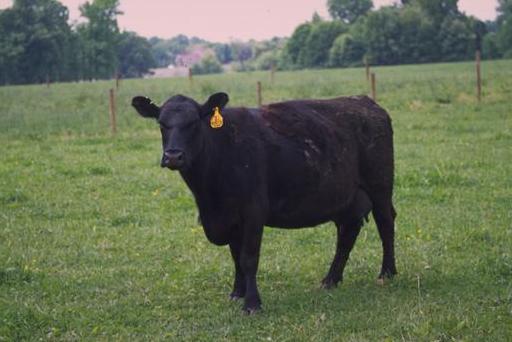
Size and Build: Medium to large-sized cattle with a strong body, deep chest, wide back, and well-developed muscles.
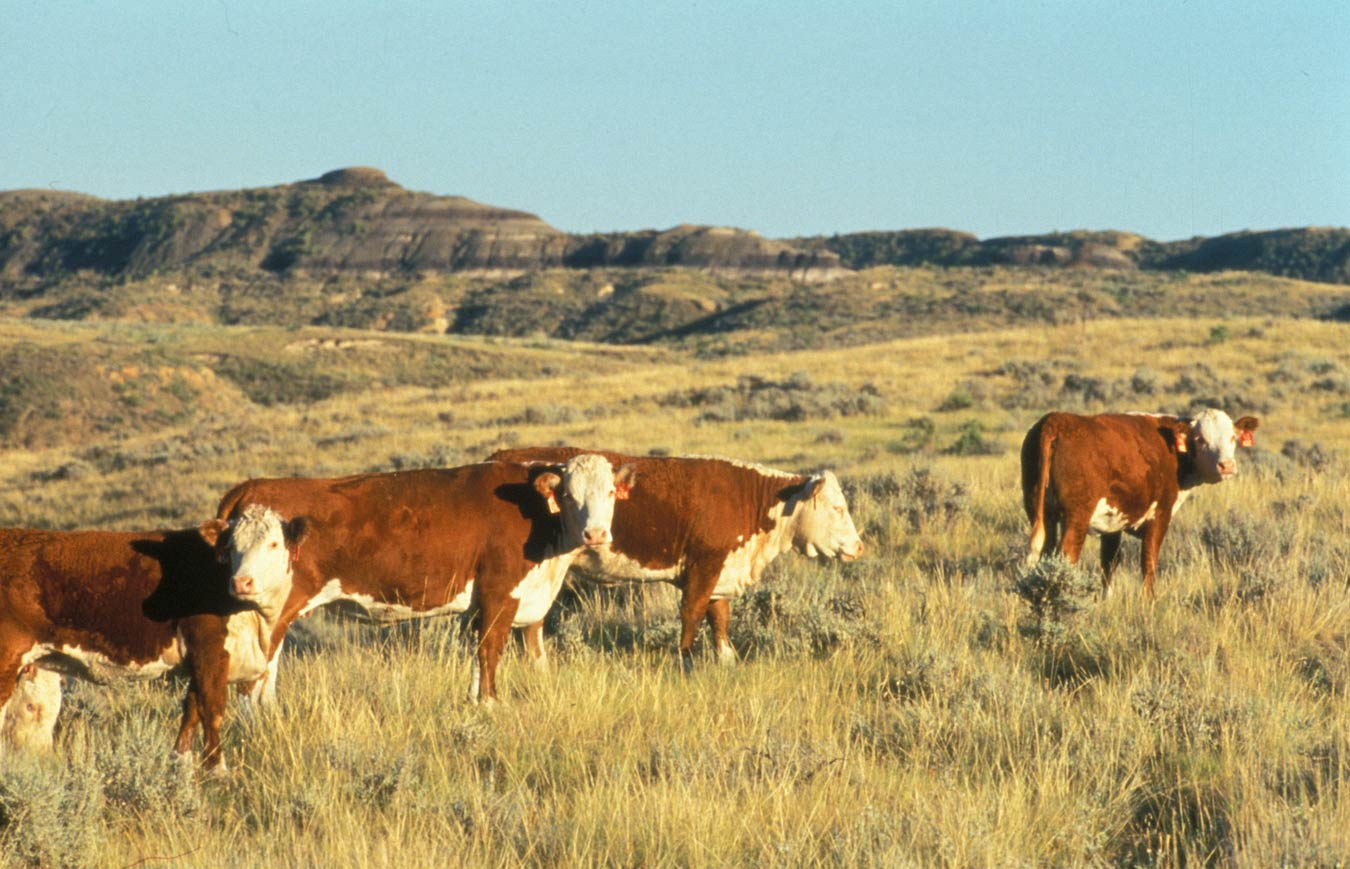
Coat Color: Typically dark red with a fully white face, along with white markings on the lower belly, legs, and tail tip. White patches may also appear around the eyes or neck.
Horns: Usually short to medium in length, growing outward and slightly downward. There are also naturally polled (hornless) Hereford strains.
Weight: Adult cows weigh between 600 to 800 kg, while bulls can reach 900 to 1100 kg or more.
Growth Rate: Known for efficient weight gain, particularly during grazing seasons.
خصائص الإنتاج
Meat Production: Hereford cattle are known for producing high-quality beef with a good balance between fat and muscle, resulting in tender and flavorful meat. Dressing percentage is relatively high compared to many other breeds.
Feed Efficiency: They efficiently convert feed into body weight, making them suitable for both pasture-based and intensive feeding systems.
Fertility: Females have high fertility rates, regular reproductive cycles, and are known for easy calving and strong maternal instincts.
Productive Lifespan: They tend to live and produce for longer periods compared to some other cattle breeds.
Health and Adaptability
Adaptability: Hereford cattle can tolerate a wide range of climates, including heat, cold, humidity, and drought, making them suitable for various production systems.
Disease Resistance: They show good resistance to common cattle diseases, including parasites and some respiratory and liver-related conditions.
Maternal Care: Females are known for excellent care of their calves and strong protective behavior.
Advantages of Raising Hereford Cattle
Easy to manage due to their calm temperament.
Strong tolerance to temporary feed and water shortages.
High market demand for their meat, making them easy to sell.
Fast fattening ability, reducing time to market weight.
Availability of polled strains reduces injuries within the herd and simplifies handling.
Challenges in Raising Hereford Cattle
Some individuals may be sensitive to sunlight, especially in white-colored areas, requiring precautions in hot and dry climates.
Require regular vaccination and health management programs, particularly in intensive systems.
Risk of genetic issues in poorly managed or crossbred herds.
Best Practices for Care and Management
Provide clean, safe, and well-ventilated housing and grazing environments.
Ensure high-quality, balanced feed and constant access to clean water.
Implement regular preventive programs such as vaccinations and parasite control.
Monitor growth and health indicators regularly and maintain proper records.
Use reliable genetic sources to preserve breed quality and improve productivity.
Role of Hereford in Global Beef Production
Hereford cattle play a major role in the global beef industry, contributing significantly to the supply of high-quality red meat in regions such as Europe, North America, Australia, and South America.
They are also widely used in crossbreeding programs to improve local cattle breeds, enhancing meat quality and overall herd productivity.
خاتمة
Hereford cattle represent a smart choice for livestock producers due to their strong genetic traits, adaptability, ease of management, and high-quality meat production.
With proper care and management practices, they offer a reliable and profitable long-term investment for both traditional and intensive farming systems.
كل ما تحتاج معرفته عن سلالة الأبقار الأشهر في تربية اللحوم حول العالم
تُعد أبقار الهيريفورد (Hereford) واحدة من أشهر وأقدم سلالات الأبقار المتخصصة في إنتاج اللحوم عالميًا، وتتمتع بسمعة واسعة بفضل صفاتها الوراثية الفريدة وقدرتها على التأقلم مع بيئات متنوعة. في هذا الدليل الشامل، نستعرض نشأة هذه السلالة، وأهم مواصفاتها الشكلية والوظيفية، ومميزات تربيتها واستخداماتها، بالإضافة إلى أبرز التحديات وأفضل ممارسات العناية بها.
نشأة وتاريخ سلالة الهيريفورد
تعود أصول الهيريفورد إلى مقاطعة هيريفورد في غرب إنجلترا، حيث ظهرت أوائل القرن الثامن عشر نتيجة محاولات المزارعين لتحسين إنتاجية الأبقار وقدرتها على الاستجابة لاحتياجات السوق من اللحوم. وقد تميزت هذه السلالة بسرعة اكتسابها للوزن وقوة تحملها، ما جعلها تنتشر بسرعة في المملكة المتحدة ومن ثم إلى الولايات المتحدة وأستراليا ودول أخرى حول العالم. اليوم، تعتبر الهيريفورد واحدة من أكثر السلالات انتشاراً في تربية الماشية.
الخصائص الشكلية لأبقار الهيريفورد
الحجم والبنية: أبقار متوسطة إلى كبيرة الحجم ذات بنية جسدية قوية وعميقة الصدر، وظهور عريض وعضلات متطورة.
لون الفروة: يتميز جسمها بلون أحمر غامق مع رأس أبيض بالكامل، إضافة إلى بياض في أسفل البطن والأرجل ونهاية الذيل. أحياناً تظهر بقع بيضاء حول العينين أو على الرقبة.
القرون: غالباً ما تمتلك قروناً قصيرة متوسطة الطول تنمو إلى الجانبين، إلا أن هناك سلالات مستأنسة عديمة القرون (بولد Hereford).
الوزن: تتراوح أوزان الأبقار البالغة بين 600 إلى 800 كجم، بينما يصل وزن الثيران إلى 900–1100 كجم أو أكثر.
معدل النمو: تتميز بسرعة اكتساب الوزن خاصة في فترات الرعي الصيفي.
الخصائص الإنتاجية لأبقار الهيريفورد
إنتاج اللحوم: تشتهر بإنتاج لحوم عالية الجودة، ذات توازن جيد بين الدهن واللحم، ما يضفي عليها طراوة وطعماً مميزين. نسبة التصافي (اللحم الصافي بعد الذبح) مرتفعة مقارنةً بالعديد من السلالات الأخرى.
الكفاءة الغذائية: تمتاز بقدرتها على الاستفادة المثلى من الأعلاف، وإمكانية التسمين بكفاءة عالية سواء في المراعي أو في الحظائر.
خصوبة الإناث: تتمتع الأبقار بمستوى خصوبة مرتفع، ودورة تناسلية منتظمة، كما أنها تعتني بعجولها جيداً وتتميز بسهولة الولادة نسبياً.
العمر الإنتاجي: تعيش وتنتج لفترات طويلة نسبياً مقارنة ببعض السلالات الأخرى.
مواصفات الصحة والقدرة على التأقلم
التحمل والتأقلم: تستطيع الهيريفورد تحمل الظروف المناخية المتباينة (الحرارة المرتفعة، البرودة الشديدة، الرطوبة أو الجفاف) وتتكيف مع نظم التربية المختلفة في المراعي المفتوحة أو الحظائر.
مقاومة الأمراض: لديها مقاومة جيدة للأمراض الشائعة بين الأبقار مثل الطفيليات الخارجية والداخلية وبعض الأمراض الكبدية والتنفسية.
العناية بالعجول: تُعرف الإناث بحسن رعايتها للعجول وقدرتها العالية على حماية صغارها من المخاطر البيئية.
مميزات تربية أبقار الهيريفورد
سهولة الإدارة والتعامل بفضل طباعها الهادئة وغير العدائية، ما يجعلها ملائمة للمزارعين والمزارع العائلية الكبيرة والصغيرة.
تحملها الشديد للجوع والعطش لفترات قصيرة مقارنة ببعض السلالات الأخرى.
سهولة التسويق بسبب الطلب العالمي المرتفع على لحومها.
قابليتها العالية للتسمين السريع، مما يقلل مدة الوصول إلى الوزن التسويقي ويزيد من كفاءة الإنتاج.
وجود أنواع مستأنسة خالية من القرون يقلل من إصابات القطيع ويسهل النقل والمعالجة.
تحديات تربية أبقار الهيريفورد
بعض أفراد السلالة قد تكون عرضة لحساسية الشمس (خاصة المناطق البيضاء)، ما يستدعي اتخاذ احتياطات في البيئات الحارة والجافة.
تحتاج إلى برامج تطعيم ورعاية صحية منتظمة لضمان مناعتها، خصوصًا عند التسمين في أنظمة مكثفة.
رغم مقاومتها الجيدة للأمراض، إلا أن بعض الأمراض الوراثية قد تظهر في سلالات غير نقية أو مهجنة.
أفضل ممارسات العناية والتربية
توفير بيئة نظيفة وآمنة وتهوية جيدة في الحظائر وأماكن الرعي.
الاهتمام بجودة الأعلاف وتنوعها، وضمان وجود مياه نظيفة في جميع الأوقات.
تطبيق برامج وقائية (تطعيمات، مكافحة الطفيليات) بانتظام.
المتابعة الدورية لمؤشرات النمو والصحة للقطيع، وتسجيل بيانات الولادات والإنتاج.
الاستعانة بمصادر وراثية معتمدة للحفاظ على نقاء السلالة وتحسين الإنتاجية.
دور الهيريفورد في إنتاج اللحوم العالمي
تُعد الهيريفورد من الركائز الأساسية في صناعة اللحوم الحمراء حول العالم، إذ تساهم بشكل فعال في تلبية الطلب المتزايد على اللحوم عالية الجودة في أوروبا، أمريكا الشمالية، أستراليا، وأمريكا الجنوبية. كما تُستخدم الهيريفورد في برامج التهجين لتحقيق تحسينات وراثية في السلالات المحلية، ما ينعكس إيجاباً على الإنتاجية العامة للقطعان.
خلاصة
تشكل أبقار الهيريفورد خيارًا ذكيًا لمربي المواشي بفضل مزاياها الوراثية والمناخية وسهولة إدارتها وجودة لحومها. ومع تطبيق برامج العناية الجيدة، تُعد استثمارًا فعالاً وآمناً على المدى الطويل سواء في التربية التقليدية أو المكثفة.