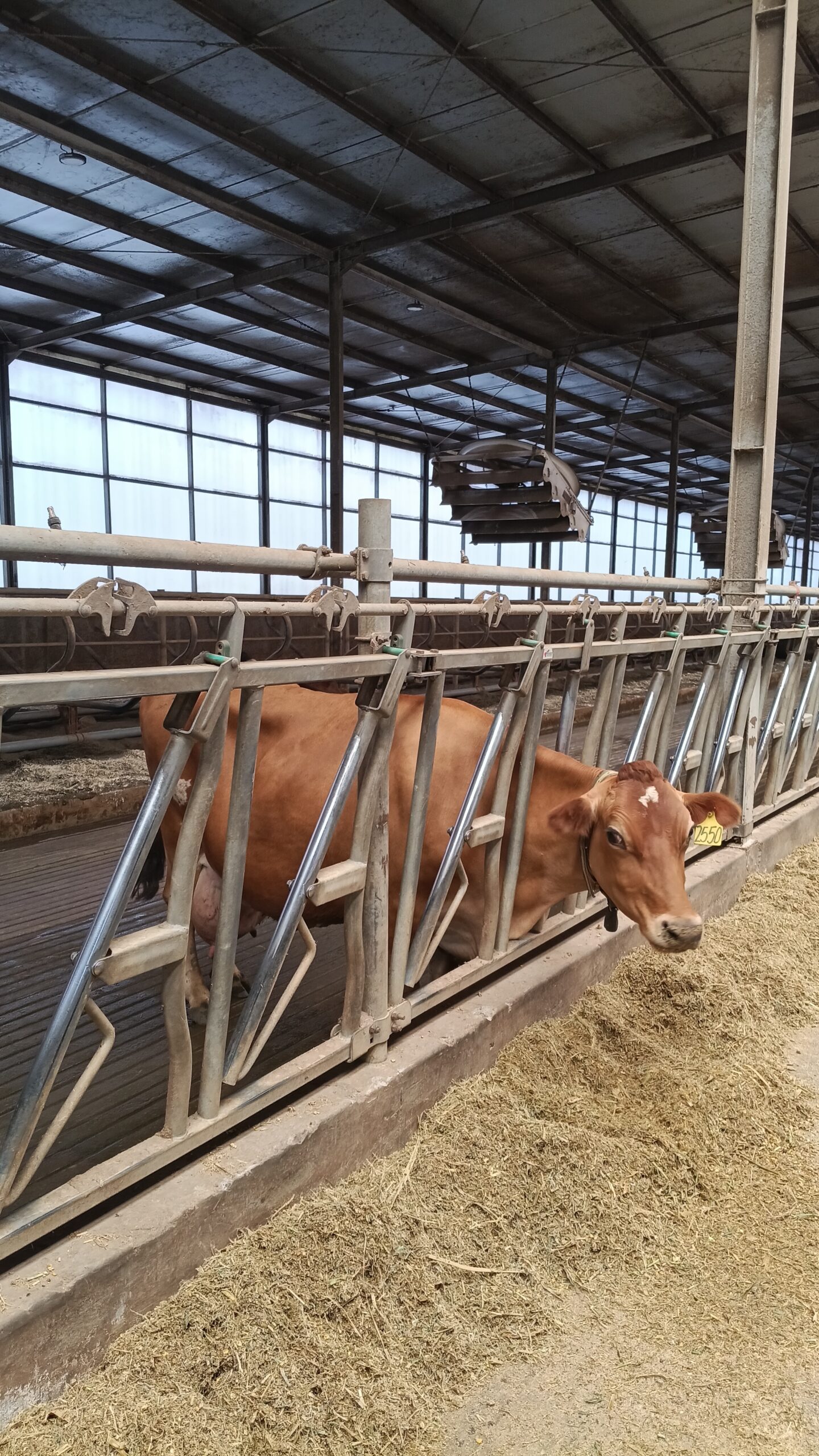
A Comprehensive Guide to the Specifications and Characteristics of Jersey Cattle
Introduction
Jersey cattle are among the most well-known and oldest dairy breeds in the world. They are widely recognized for their unique characteristics, which have made them a preferred choice for livestock producers across different continents.
In this guide, we explore the detailed specifications and traits of Jersey cattle, including their physical appearance, genetic and production characteristics, behavior, and their economic and environmental advantages.
Origin and History
Jersey cattle originated on the island of Jersey, located between France and the United Kingdom in the English Channel.
They are considered one of the oldest recorded cattle breeds, with origins dating back over 600 years. The breed was officially recognized as a pure breed in the mid-18th century and was later exported worldwide due to its excellent production traits.
Physical Characteristics
Size and Weight: Jersey cattle are medium to small in size. Adult cows typically weigh between 400 to 500 kg, while bulls range from 600 to 800 kg.
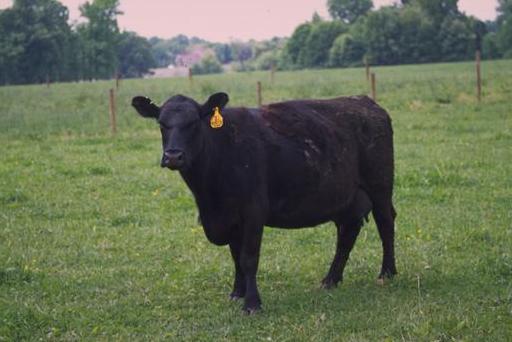
Body Structure: Well-proportioned body, relatively small head, large ears, and prominent eyes. The neck is long and refined.
Color: Ranges from light brown to dark brown, often with lighter shades around the face and eyes.
Udder: Large, well-developed, and prominent, making it ideal for both machine and manual milking. The teat placement supports efficient milking.
Horns: Usually small and short, often removed in modern farming systems for safety.
Milk Production Capacity
Milk Yield: Known for producing high amounts of milk relative to their size, with an average annual yield ranging between 4,000 to 6,000 liters. Under optimal conditions, production can reach up to 8,000 liters per year.
Fat Content: One of the key advantages of Jersey cattle is the high fat content in their milk, typically ranging from 5% to 6% or higher, making it highly desirable for butter and cheese production.
Protein Content: Milk protein levels are also high, averaging around 3.8% to 4.1%, compared to other breeds.
Nutritional Value: Jersey milk is rich in calcium, vitamins, and fatty acids, offering excellent nutritional value.
Feed Efficiency: Jerseys produce a high volume of milk relative to their feed intake, making them one of the most efficient dairy breeds in converting feed into milk.
Behavioral Traits
Calm Temperament: Known for their docile and gentle nature, making them easy to handle even in small and family farms.
Intelligence: Highly trainable and adaptable to both automated and manual milking systems.
Social Behavior: Prefer to live in small groups and form clear social structures within the herd.
Genetic and Health Characteristics
Fertility: High fertility rates with good reproductive performance and relatively easy calving compared to other breeds.
Longevity: Jersey cattle have a relatively long productive lifespan, enhancing their economic value.
Disease Resistance: Generally resistant to diseases, especially mastitis, and can tolerate climatic changes effectively.
Advantages and Disadvantages
Advantages
High efficiency in milk production with lower feed consumption.
High milk fat content.
Calm behavior and ease of management.
Strong adaptability to various climates.
High fertility and long productive lifespan.
Disadvantages
Smaller body size limits their value as a meat source.
Lower meat yield compared to dual-purpose or beef breeds.
May be more sensitive to certain infectious diseases without proper preventive care.
Environmental Adaptability
Jersey cattle show strong adaptability to a wide range of climates, including both hot and cold regions.
Due to their relatively small size and thinner skin, they can tolerate heat better than larger breeds. They also adapt well to different farming systems, whether pasture-based or intensive operations.
Suitability for Small and Large Farms
Jersey cattle are ideal for small and medium-sized farms due to their moderate feed requirements and high milk productivity.
They are also economically viable for large-scale dairy operations focused on producing high-fat and high-protein milk for premium dairy products.
Care and Management
To achieve optimal productivity, Jersey cattle require:
A balanced and nutrient-rich diet.
Proper udder hygiene to reduce the risk of mastitis.
Regular preventive healthcare programs.
Adequate space for movement and comfort.
Continuous monitoring of health and production performance.
Economic Value
Due to their high-quality milk and efficient feed conversion, Jersey cattle are considered a profitable investment for dairy farmers.
They are particularly valuable in markets focused on premium dairy products such as cheese, butter, and cream. Their longer productive lifespan also reduces herd replacement costs and improves overall farm profitability.
Conclusion
Jersey cattle represent a smart and efficient choice for dairy investment. They combine high productivity, economic efficiency, and adaptability to diverse conditions.
With proper care and management, they can deliver consistent, high-quality milk production that meets the demands of both local and global markets.
كل ما تحتاج معرفته عن واحدة من أفضل سلالات الأبقار الحلوب في العالم
مقدمة
تُعد أبقار الجيرسي (Jersey) من أشهر وأقدم السلالات المتخصصة في إنتاج الحليب على مستوى العالم. تتميز هذه السلالة بخصائص فريدة جعلتها خياراً مفضلاً لدى مربي المواشي والمنتجين في مختلف القارات. في هذا الدليل، نستعرض بالتفصيل مواصفات وخصائص أبقار الجيرسي من حيث الشكل والصفات الوراثية والإنتاجية والسلوكية، بالإضافة إلى ميّزاتها الاقتصادية والبيئية.
الأصل والتاريخ
نشأت أبقار الجيرسي في جزيرة جيرسي الواقعة بين فرنسا وبريطانيا في القناة الإنجليزية. وتعتبر واحدة من أقدم السلالات المسجلة، حيث تعود أصولها إلى أكثر من 600 عام. تم الاعتراف بها رسمياً كسلالة نقية منذ منتصف القرن الثامن عشر، وتم تصديرها لاحقاً إلى العديد من بلدان العالم بسبب صفاتها الإنتاجية المميزة.
المظهر الخارجي والخصائص الجسدية
الحجم والوزن: أبقار الجيرسي من الأبقار متوسطة إلى صغيرة الحجم. يبلغ وزن البقرة البالغة حوالي 400 – 500 كجم، بينما يزن الثور البالغ 600 – 800 كجم تقريباً.
الشكل الجسدي: تتميز بجسم متناسق، رأس صغير نسبياً، وأذنين كبيرتين وعينين بارزتين. الرقبة طويلة وأنيقة.
اللون: يتدرج لونها بين البني الفاتح إلى البني الغامق، وغالباً ما يكون الوجه والمنطقة حول العينين أفتح لوناً.
الضرع: ضرع أبقار الجيرسي واسع وعميق وبارز، ما يجعلها مثالية للحلب الآلي والتقليدي، حيث توزع الضرع والحلمات بشكل جيد يسهل عملية الحلب.
القرون: معظم أبقار الجيرسي تحمل قروناً صغيرة وقصيرة، وغالباً ما يتم إزالتها في المزارع الحديثة لأسباب السلامة.
القدرة الإنتاجية للحليب
إنتاج الحليب: تشتهر هذه السلالة بقدرتها العالية على إنتاج الحليب مقارنة بحجمها، حيث يتراوح متوسط الإنتاج السنوي للبقرة الواحدة بين 4000 – 6000 لتر، وقد تصل بعض الأبقار إلى 8000 لتر سنوياً في ظروف مثالية.
نسبة الدهن في الحليب: من أبرز نقاط قوة الجيرسي هو ارتفاع نسبة الدهن في الحليب، والتي تتراوح بين 5% إلى 6% أو أكثر، ما يجعل حليبها مرغوباً جداً لصناعة الأجبان والزبدة.
نسبة البروتين: يحتوي حليب الجيرسي أيضاً على نسبة بروتين مرتفعة (حوالي 3.8% إلى 4.1%) مقارنة بالسلالات الأخرى.
التركيب الكيميائي: يتمتع حليب الجيرسي بتركيز عالٍ من الكالسيوم والفيتامينات والأحماض الدهنية، ما يمنحه قيمة غذائية ممتازة.
الكمية مقابل التغذية: تنتج أبقار الجيرسي كمية كبيرة من الحليب مقارنة بكمية العلف المستهلكة، وتعتبر من أكثر السلالات كفاءة في تحويل الغذاء إلى حليب.
الخصائص السلوكية والطبيعة
الهدوء وسهولة التعامل: تُعرف أبقار الجيرسي بطبعها الهادئ ووداعتها، ما يسهل تربيتها والتعامل معها حتى في المزارع الصغيرة والعائلية.
الذكاء وقابلية التدريب: هذه الأبقار ذكية وقابلة للتدريب، ويمكن تعويدها على أنظمة الحلب الآلي أو اليدوي بسهولة.
الاجتماعية: تميل أبقار الجيرسي للتجمع في مجموعات صغيرة وتكون علاقات اجتماعية واضحة داخل القطيع.
الخصائص الوراثية والصحية
الخصوبة: تُعتبر من أكثر السلالات خصوبة، وتتميز بارتفاع معدلات الولادة وسهولة الولادة مقارنة بسلالات أخرى.
طول العمر الإنتاجي: تعيش وتنتج أبقار الجيرسي لفترات طويلة نسبياً، ما يعزز قيمتها الاقتصادية.
القابلية للأمراض: عمومًا، تمتاز بمقاومة جيدة للأمراض، خاصة أمراض الضرع، كما تتحمل التغيرات المناخية بصورة واضحة.
المزايا والعيوب
المزايا
كفاءة عالية في إنتاج الحليب مع تقليل استهلاك العلف.
نسبة دهن مرتفعة بالحليب.
سلوك هادئ وسهولة في التربية.
قدرة جيدة على التكيف مع المناخات المختلفة.
خصوبة عالية وطول عمر إنتاجي.
العيوب
حجم صغير نسبياً، مما يقلل من قيمتها كمصدر للحوم.
قلة اللحم ونسبة الدهن العالية قد لا تناسب بعض الأسواق.
حساسية نسبية لبعض الأمراض المعدية في حال عدم اتباع برامج وقائية محكمة.
البيئة والتكيف المناخي
تُظهر أبقار الجيرسي قدرة عالية على التأقلم مع مختلف الظروف المناخية، سواء في المناطق الحارة أو الباردة. بفضل حجمها الصغير نسبيًا وجلدها الرقيق، فهي تتحمل الحرارة بصورة أفضل من السلالات الأكبر حجماً. كما أن لديها القابلية للتأقلم مع أنظمة التربية المختلفة (مزارع مفتوحة أو مغلقة).
الجيرسي في المشاريع الصغيرة والكبيرة
تعتبر أبقار الجيرسي خيارًا مثاليًا للمزارع الصغيرة والمتوسطة، نظرًا لاستهلاكها المعتدل للعلف وارتفاع إنتاجية الحليب. وفي الوقت نفسه، تمثل خيارًا اقتصادياً في المشاريع الكبرى التي تهدف للحصول على حليب غني بالدهن والبروتين لصناعة منتجات الألبان عالية الجودة.
الاهتمام والرعاية
للحصول على أفضل إنتاجية من أبقار الجيرسي يجب:
توفير تغذية متوازنة وغنية بالعناصر الغذائية.
الحرص على النظافة الدائمة للضرع لتقليل فرص الإصابة بالتهاب الضرع.
اتباع برامج وقاية دورية ضد الأمراض.
توفير مساحات كافية للحركة والراحة.
ملاحظة الأبقار باستمرار لمتابعة حالتها الصحية والإنتاجية.
الاستثمار الاقتصادي في أبقار الجيرسي
بفضل إنتاجها العالي من الحليب مرتفع الجودة والكفاءة الاقتصادية في التغذية والرعاية، تُعد سلالة الجيرسي استثمارًا مربحًا للمزارعين، خصوصًا في الأسواق التي تركز على منتجات الألبان الفاخرة مثل الجبن والزبدة والقشدة. كما أن طول عمرها الإنتاجي يقلل من معدل استبدال القطيع ويزيد من العائد المادي للمزرعة.
الخلاصة
أبقار الجيرسي تمثل خيارًا ذكيًا وفعالًا للمستثمرين في قطاع الألبان، فهي تجمع بين الإنتاجية العالية والاقتصادية، والقدرة على التأقلم مع الظروف المتنوعة. ومع العناية والرعاية المثلى، يمكن تحقيق إنتاجية متميزة وجودة عالية من منتجات الحليب التي تلبي متطلبات الأسواق المحلية والعالمية.