Everything you need to know about the Al-Naeem breed of sheep
Bliss sheep are one of the most popular sheep breeds in the Arabian Gulf and desert regions of the Arabian Peninsula, and they have gained their status thanks to their great ability to adapt to difficult climatic conditions and their high economic feasibility. In this comprehensive guide, we review the specifications and characteristics of Al-Naeim sheep in terms of shape, production, health, breeding methods, and the most important features of this breed compared to others.
The origin and spread of the Al-Naeim sheep breed
Originally from Arab origins, the Sheep of Al-Naeim are domesticated and bred for hundreds of years in the Arabian Peninsula, particularly in Saudi Arabia, Kuwait and other Gulf countries. This breed is mainly widespread in desert areas due to its tolerance to drought and high temperatures, and its spread has increased in recent years due to the high demand for it in local and regional markets.
Formal Specifications of Sheep of Al-Naeim
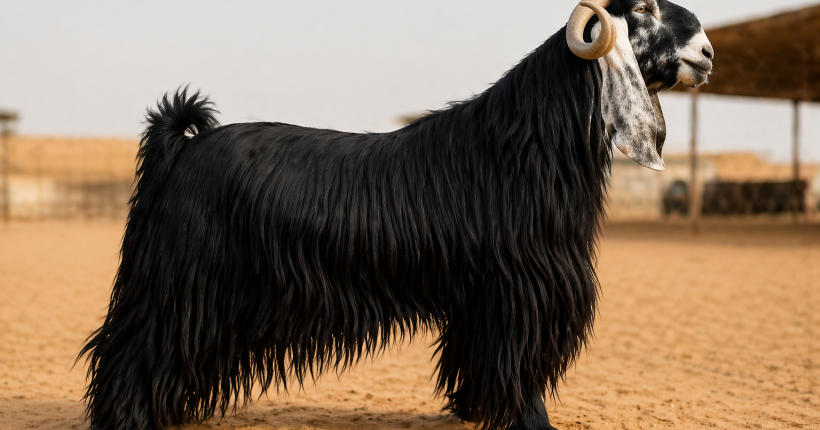
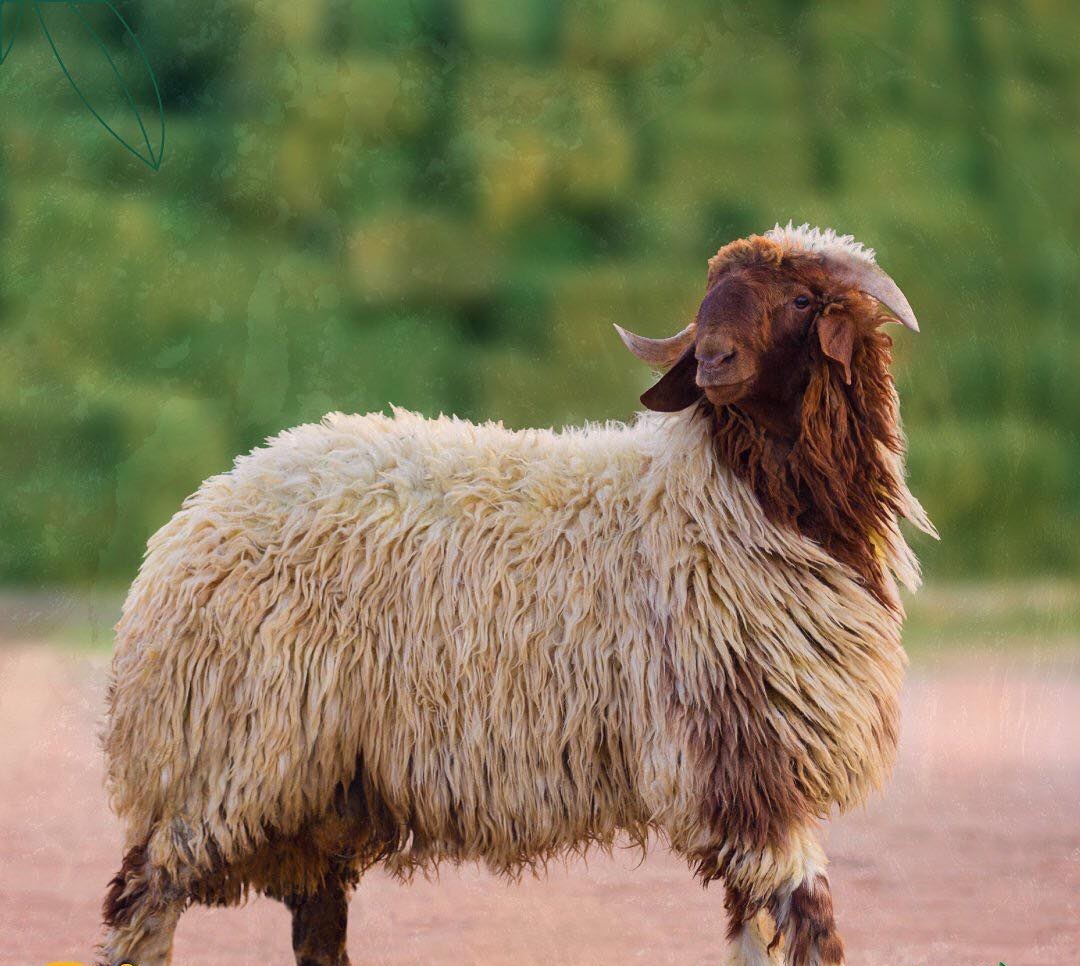
The Al-Naeim breed is characterized by a number of formal qualities that make it distinct from other breeds:
- Size and structure: medium to large size, with an adult male weighing between 60 to 80 kilograms, while a mature ewe weighs between 40 to 60 kilograms.
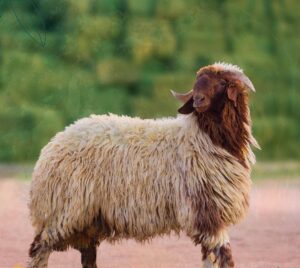
- General shape: The body is long and wide, and the legs are relatively long, giving the sheep a strong appearance and the ability to move over long distances.
- Head: Medium in size, forehead wide, often in males and females, but some females may show small horns.
- Eyes: Wide and bright, often surrounded by dark-colored circles that increase the clarity of the gaze.
- The nose is straight or slightly arched, and is often dark brown in color.
- Ears: Medium length and downwards, sometimes wide-ended.
- Wool: It is fairly smooth, covering most of the body, and is characterized by a yellowish or cream-white color, while some parts tend to have brown spots, especially around the face and limbs.
- Tail: A long, thick tail, which may be slightly inclined downwards.
Productive characteristics of Al-Naeim sheep
Al-Naeim sheep are known for their good meat and milk yields, and are often bred for fattening and slaughtering purposes during demand seasons such as holidays and occasions.
Meat Production
- Bliss meat is characterized by its high quality, distinctive taste, and low smell of sebum (fat), which makes it a favorite of consumers.
- Al-Naeim is characterized by rapid growth and fattening, as the carcasses reach appropriate marketing weights in a short period, often between 5 and 7 months of age.
- The feed conversion rate is good, which achieves high production rates at the lowest costs.
Milk production
- The Al-Naeim ewe is a good breed in milk production compared to some local sheep breeds, making it an option for some breeders to take advantage of milk.
- It is advisable to use the breastfeeding period to produce milk for limited domestic or commercial purposes.
Fertility and reproduction
- The breed is characterized by its high fertility, as a sheep can give birth once a year, and in some cases may give birth to twins (two).
- The reproductive cycle begins at an early age, between 8 and 12 months.
- Mothers have a good ability to take care of their young.
Coping and stamina
- Al-Na’im tolerates extreme heat conditions and lack of rainfall, and can benefit from poor and dry pastures.
- It has good resistance to diseases common in desert areas, especially respiratory and gastrointestinal diseases.
- They endure periods of drought thanks to their physical composition and ability to store energy in their bodies.
Breeding and caring for Al-Naeim sheep
Nutrition
- It is preferable to provide balanced feeds that contain essential nutrients such as protein, energy, fiber, and minerals.
- Relying on green fodder in the abundant seasons, while providing concentrated fodder during dry periods.
- Clean water is essential and should be provided constantly especially in the summer periods.
Healthcare
- Implement a periodic vaccination program against the most important diseases (e.g. enteric-contagion, smallpox, foot-and-mouth disease).
- Daily monitoring for early detection of any symptoms and prompt treatment of infections.
- Pay attention to general hygiene in barns and provide good ventilation to prevent the spread of diseases.
Accommodation
- Shaded and dry barns should be provided to protect the sheep from the harsh heat of the sun and the cold of winter.
- Ventilate the place well and provide enough space for movement.
- Cleaning the barns periodically to reduce the chances of parasites and diseases.
The most important features of the Al-Naeim sheep
- Ability to adapt quickly to harsh environments.
- Good production of meat and milk with less effort.
- Lower operational costs compared to foreign breeds.
- High fertility rate and rapid reproduction and fattening.
- Good resistance to local diseases.
- High economic value in the GCC markets, especially during the festive seasons.
The Challenges of Raising Al-Naeim Sheep
Despite the many advantages of this breed, there are some challenges facing breeders, the most important of which are:
- Poor quality of wool compared to specialized wool strains.
- The need to monitor diseases and follow up health programs accurately.
- Extreme climate variability can sometimes affect productivity.
- Disordered mating leads to a weakness in genetic traits in the long run.
Important Tips for New Breeders
- Carefully select mothers and males from reliable sources to ensure the quality of genetic traits.
- Adhere to nutrition and health care programs and follow veterinarian guidelines.
- Paying attention to herd records to follow up on production, reproduction and health.
- Creating the appropriate environment in terms of shelter, ventilation and hygiene.
- Good planning of mating and fattening seasons for best results.
Conclusion
Al-Naeim sheep are a real asset for every breeder looking for a breed that is adapted to the local environment and capable of providing good meat and milk productivity, along with its high market value and ease of breeding. Therefore, investing in this breed is a strategic and promising option in light of the challenges facing the livestock sector in desert environments.