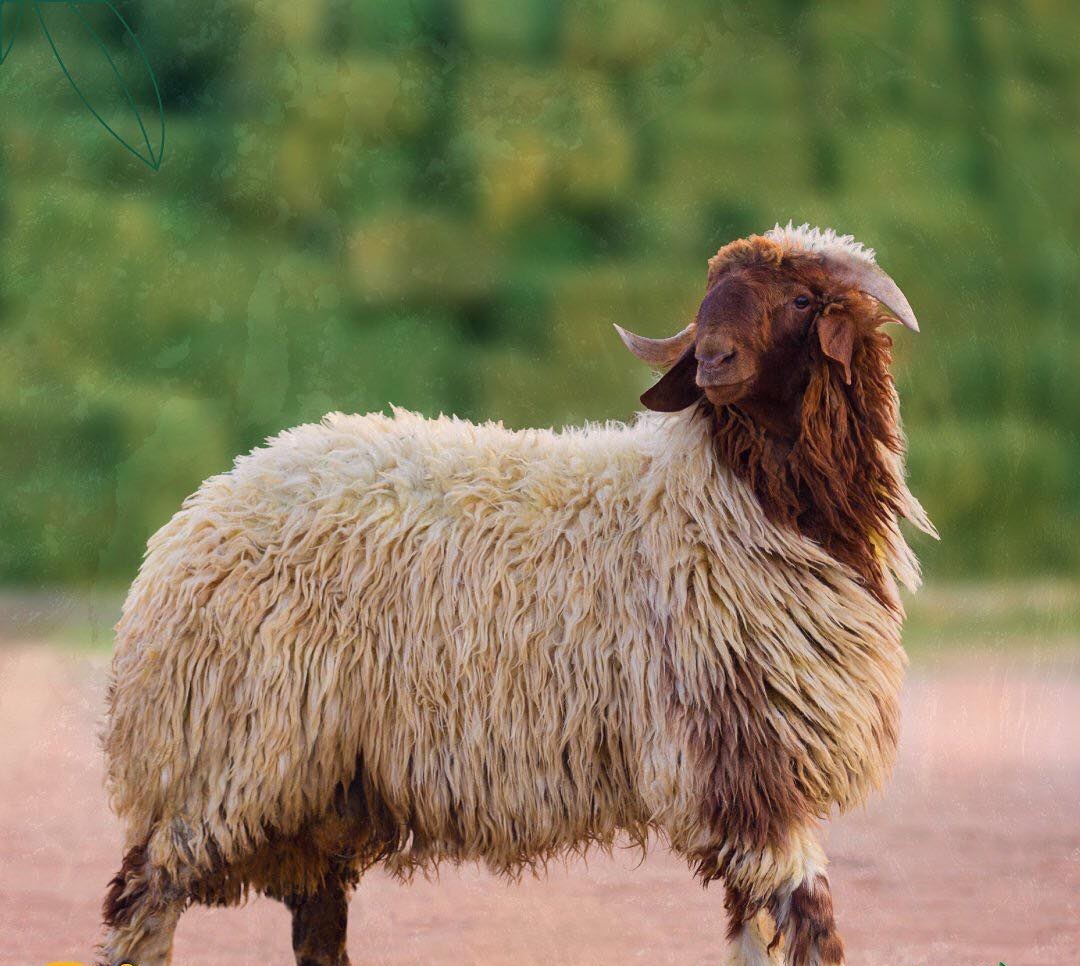
Al-Naeem sheep are one of the most popular breeds in the Arabian Gulf and desert regions of the Arabian Peninsula. They are known for their strong adaptability to harsh climatic conditions and their high economic value, making them a preferred choice for breeders across the region.
Origin and Distribution
The Al-Naeem breed has deep Arab origins and has been raised for hundreds of years across the Arabian Peninsula, especially in Saudi Arabia, Kuwait, and neighboring Gulf countries. Its popularity has grown due to increasing demand in local and regional markets.
Physical Characteristics
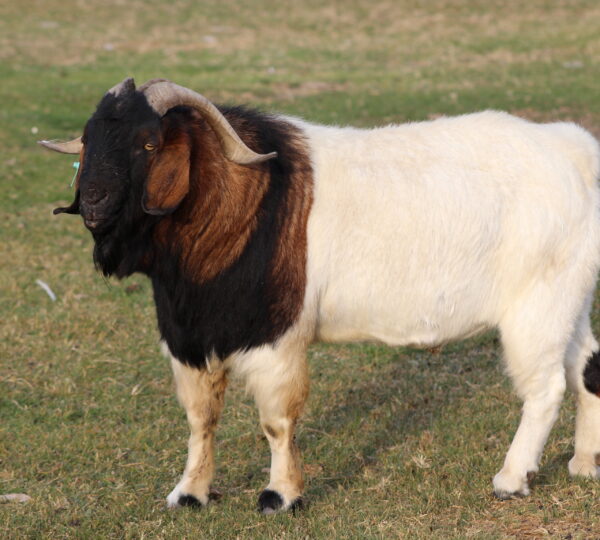
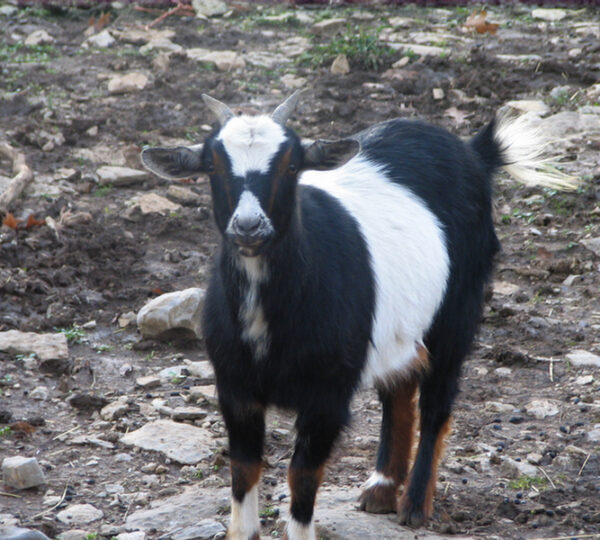
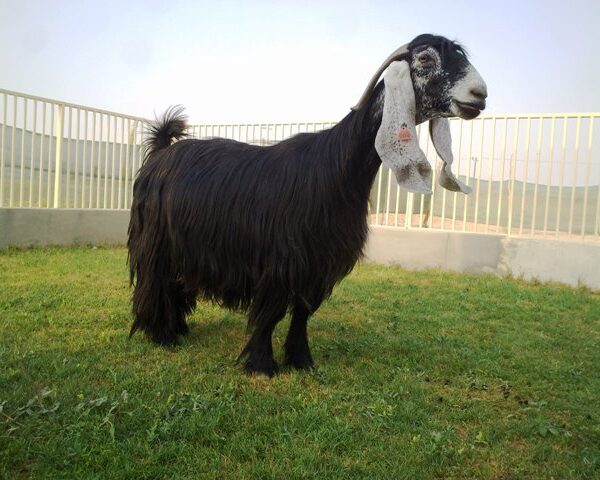
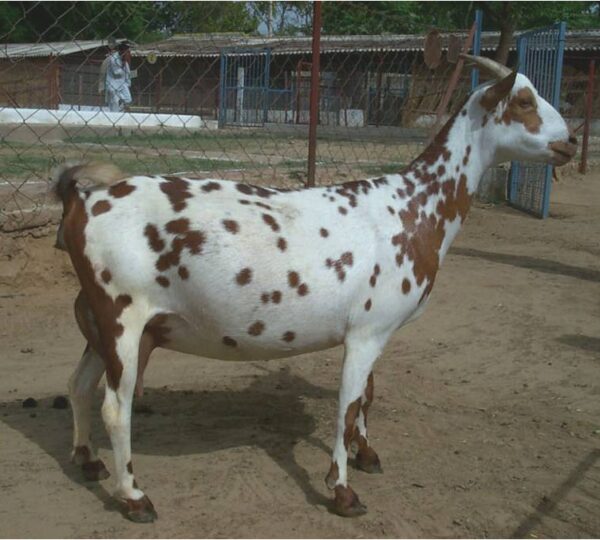
- Size and Structure: Medium to large; males weigh 60–80 kg, females 40–60 kg.
- Body Shape: Long and wide body with relatively long legs.
- Head: Medium-sized with a wide forehead; horns may appear in males.
- Eyes: Wide and bright, often surrounded by dark circles.
- Nose: Straight or slightly curved, usually dark brown.
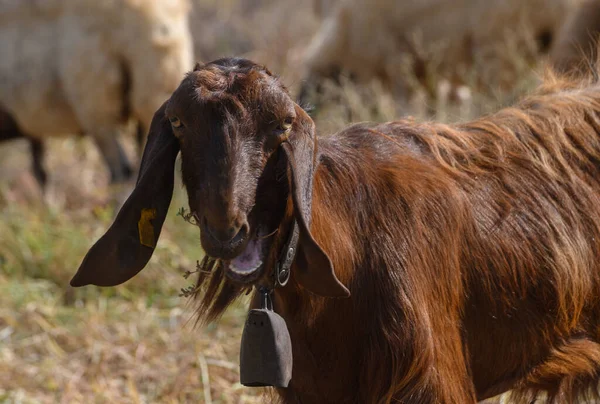
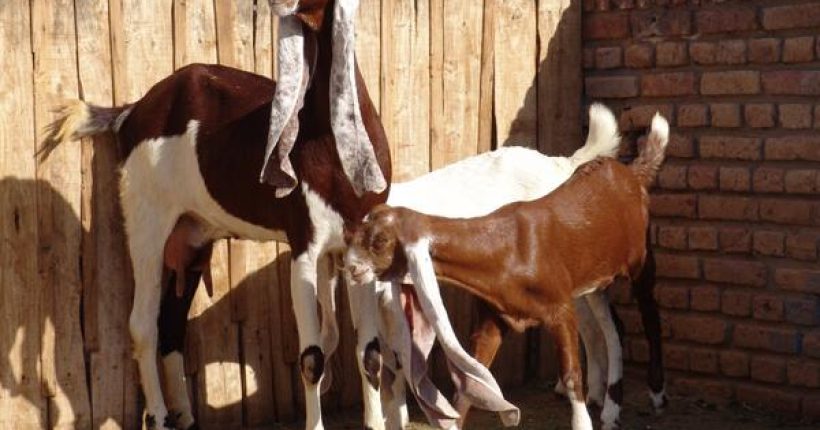
- Ears: Medium length and slightly drooping.
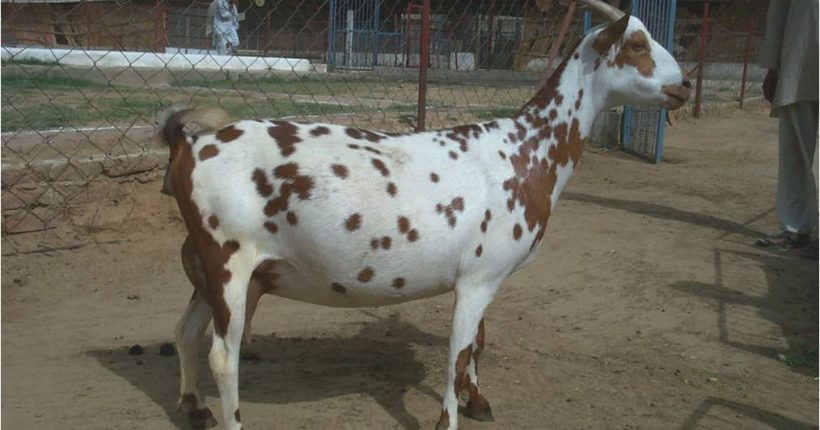
- Wool: Smooth, cream-white with occasional brown patches.
- Tail: Long and thick, slightly downward.
Production Characteristics
Meat Production
- High-quality meat with excellent taste and low fat odor.
- Fast growth; market-ready within 5–7 months.
- Efficient feed conversion, reducing costs.
Milk Production
- Produces a moderate amount of milk compared to local breeds.
- Suitable for limited domestic or small-scale commercial use.
Fertility and Reproduction
- High fertility rate; usually gives birth once per year.
- Twins may occur in some cases.
- Reproductive maturity between 8–12 months.
- Strong maternal instincts and care for offspring.
Adaptability and Strength
Al-Naeem sheep are highly resistant to extreme heat and drought conditions. They can survive on poor grazing resources and show good resistance to common desert diseases.
Breeding and Care
Nutrition
- Provide balanced feed rich in protein, fiber, and minerals.
- Use green fodder when available and supplements during dry seasons.
- Ensure constant access to clean water.
Healthcare
- Follow regular vaccination programs.
- Monitor animals daily for early disease detection.
- Maintain hygiene and proper ventilation in barns.
Housing
- Provide shaded and dry shelters.
- Ensure proper airflow and sufficient space.
- Clean regularly to prevent parasites and infections.
Key Advantages
- Strong adaptability to desert environments.
- Good meat and milk production.
- Lower operational costs.
- High fertility and fast growth.
- Strong disease resistance.
- High market demand, especially during festive seasons.
Challenges
- Lower wool quality compared to specialized breeds.
- Requires careful health monitoring.
- Climate variability can impact productivity.
- Uncontrolled breeding may weaken genetics over time.
Tips for Breeders
- Select animals from reliable and known genetic sources.
- Follow structured nutrition and healthcare plans.
- Maintain detailed herd records.
- Ensure proper shelter, hygiene, and ventilation.
- Plan breeding and fattening cycles carefully.
Conclusion
Al-Naeem sheep are a valuable asset for breeders seeking a resilient and productive breed. Their ability to adapt to harsh environments, combined with strong market demand, makes them a strategic investment in the livestock sector.