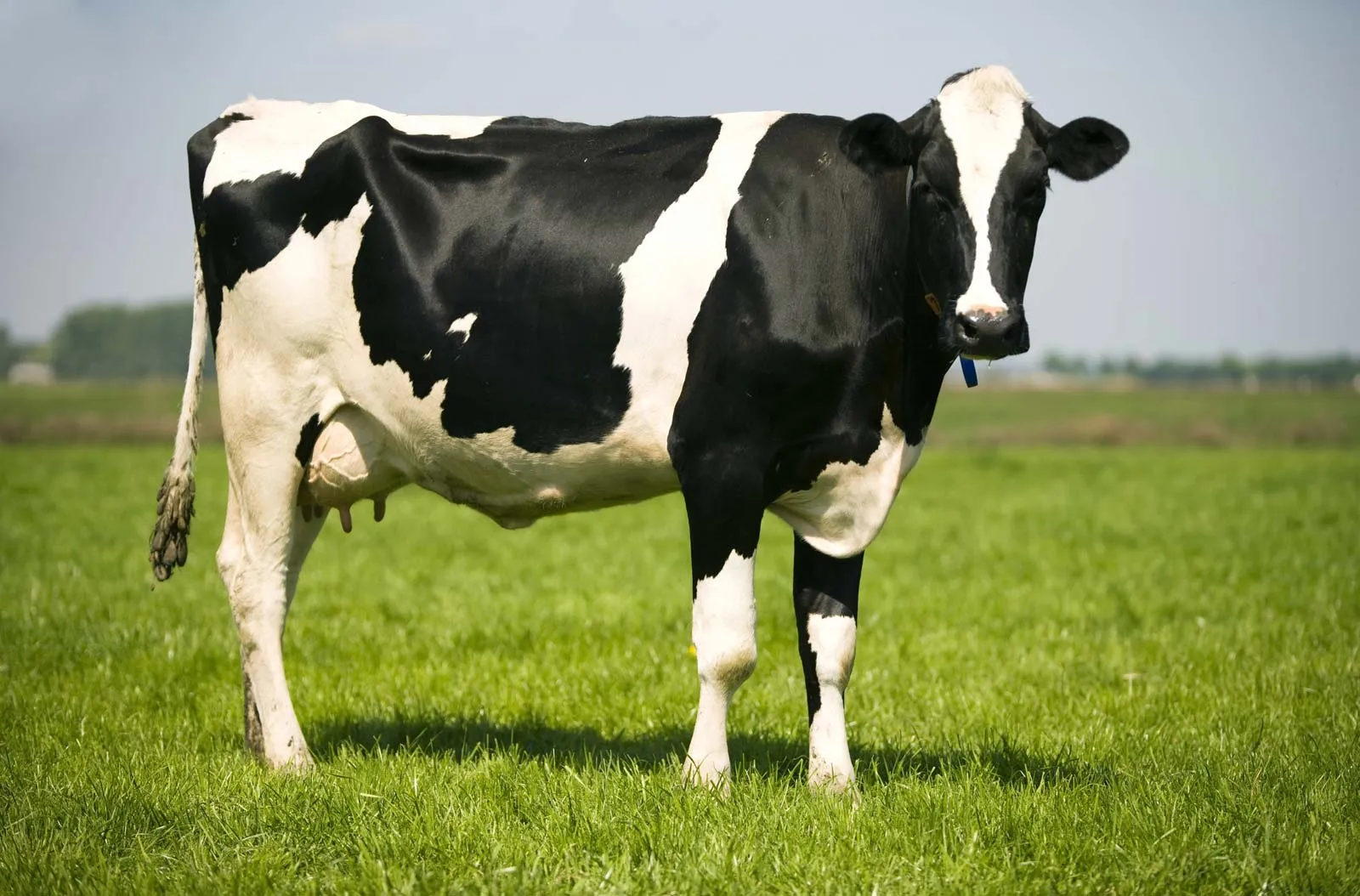
Holstein-Friesian cattle are among the most famous and important cattle breeds in the world, renowned for their high milk production and high-quality milk. Originating in the northern regions of the Netherlands and Germany, specifically the Friesland region of the Netherlands and Schleswig-Holstein in Germany, this breed has since spread throughout the world, becoming the backbone of the dairy industry in many countries, particularly the United States, Canada, Australia, and New Zealand.
Origin and History
The Holstein-Friesian breed has evolved over hundreds of years through selective breeding of local Dutch cattle with those from northern Germany. Farmers in these regions focused on improving the genetic traits of their cattle, primarily for milk production, while also prioritizing robust health, endurance, and a strong immune system. The Holstein-Friesian breed first gained popularity in Europe and was then introduced to the United States in the mid-19th century, where it flourished and became the most widespread breed on large dairy farms.
Physical Characteristics
- Size and Body Structure: Holstein-Friesians are large and well-proportioned. Adult cows average between 600 and 700 kg, while adult bulls weigh between 1000 and 1200 kg.
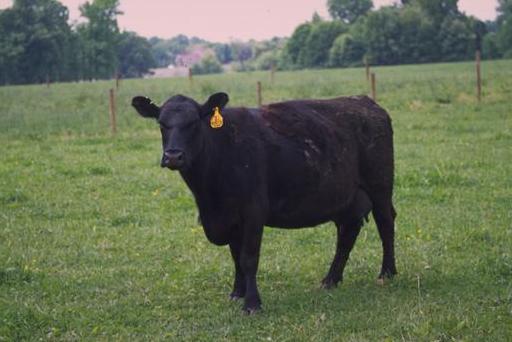
- Color: The breed is most famous for its black and white mottled coat, although some individuals are reddish-white with red spots.
- Head and Horns: The head is relatively long, with a broad forehead and a large nose. The cows have small horns, which are often trimmed on modern farms.
- Legs and Skeleton: The cows have strong, straight legs and a robust skeleton that supports their large body weight.
Production Characteristics
- Milk Quality: Holstein-Friesian milk has a fat content between 3.2% and 3.8%, and a protein content between 3.0% and 3.5%.
- Feed Conversion Efficiency: These cows efficiently convert feed into milk.
Reproductive and Health Characteristics
- Fertility: Average to good.
- Gestation period: Approximately 280 days.
- General health: Requires continuous monitoring.
- Productive lifespan: 5 to 7 years on intensive farms.
Advantages and Disadvantages
Advantages
- Highest milk production among all breeds.
- Adaptable to modern farming.
- Strong genetics.
Disadvantages
- High nutrition requirements.
- Health sensitivity.
- Shorter lifespan.