أبقار الهولشتاين فريزيان (Holstein-Friesian): السلالة الشهيرة في إنتاج الحليب

A Comprehensive Guide to the Specifications and Characteristics of Holstein-Friesian Cattle

Introduction

Holstein-Friesian cattle are among the most well-known and important cattle breeds in the world. They are widely recognized for their high milk production and the quality of their milk components.

This breed originated in the northern regions of the Netherlands and Germany, specifically Friesland in the Netherlands and Schleswig-Holstein in Germany. It later spread worldwide and became the backbone of the dairy industry in many countries, especially the United States, Canada, Australia, and New Zealand.

الأصل والتاريخ

The Holstein-Friesian breed developed over centuries through selective breeding between local Dutch cattle and northern German breeds.

Farmers focused on improving genetic traits for milk production while maintaining body strength, adaptability, and a strong immune system.

The breed gained recognition in Europe and was later introduced to the United States in the mid-19th century, where it expanded significantly and became the most widely used breed in large dairy farms.

الخصائص البدنية

Size and Build: Large and well-proportioned body. Adult cows typically weigh between 600 to 700 kg, while bulls range from 1000 to 1200 kg.

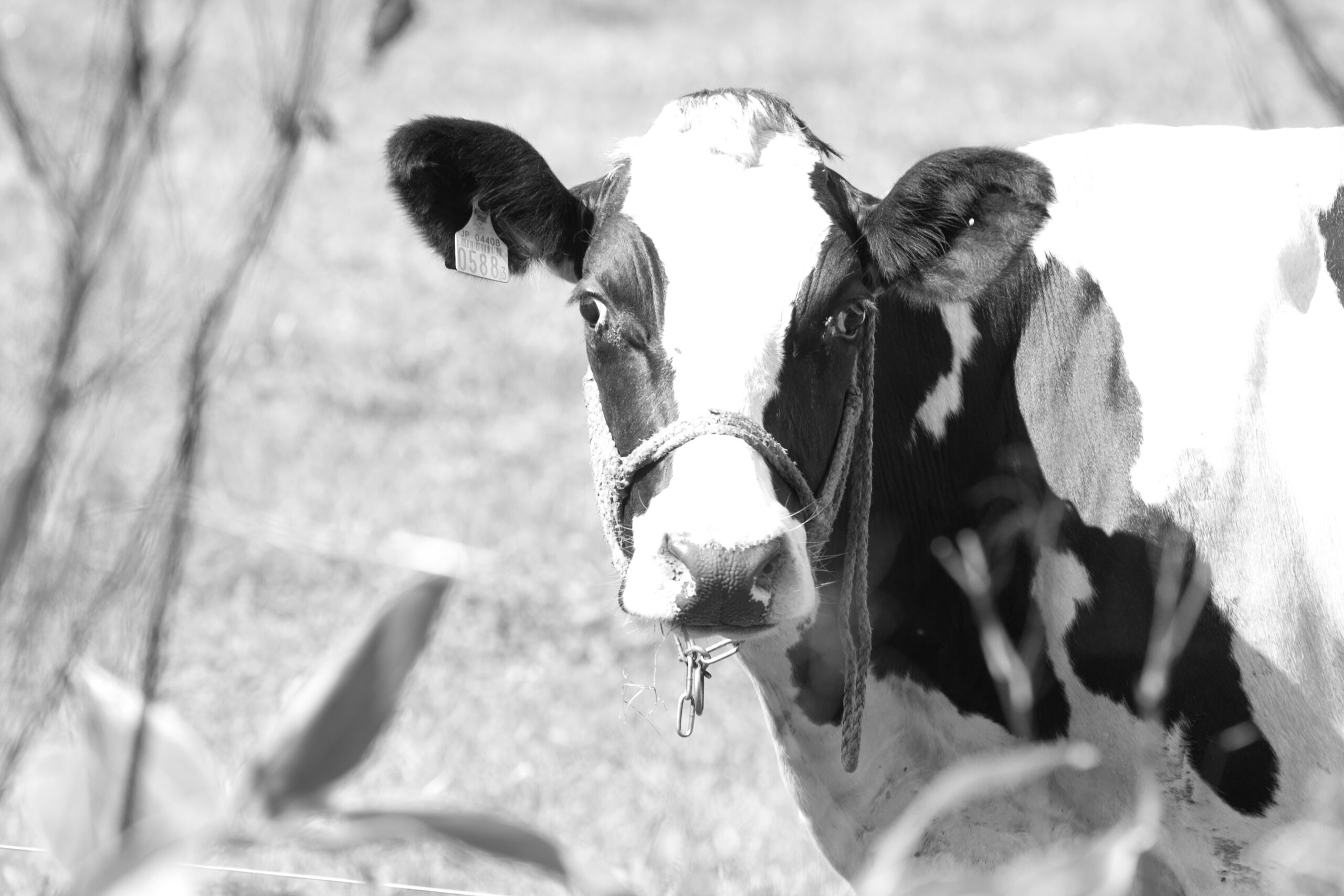
Color: The most distinctive feature is the black-and-white pattern, although red-and-white variations also exist.

Head and Horns: Long head with a broad forehead and large muzzle. Horns are usually small and often removed in modern farming systems.

Legs and Skeleton: Strong legs and a solid skeletal structure capable of supporting high production levels.

خصائص الإنتاج

إنتاج الحليب

Holstein-Friesian cattle are the top dairy-producing breed globally. A single cow can produce between 7,500 to 12,000 liters per year, and under optimal conditions, production may exceed 15,000 liters annually.

Milk Quality

Milk fat content ranges between 3.2% to 3.8%, while protein content ranges from 3.0% to 3.5%. This makes it highly suitable for dairy products such as cheese, butter, and yogurt.

Feed Efficiency

These cattle have a strong ability to convert feed into milk efficiently, helping reduce production costs and increase profitability.

Reproduction and Health

Fertility: Moderate to good, though high production may lead to reproductive challenges.

Gestation Period: Approximately 280 days (around 9 months).

Calving: Typically produces a single calf; twins are rare.

Health Issues: Susceptible to production-related conditions such as mastitis, ketosis, and calcium deficiency, requiring continuous health monitoring.

Productive Lifespan: Typically ranges between 5 to 7 years in intensive systems, and longer in traditional settings.

المزايا والعيوب

المزايا

Highest milk production among all cattle breeds.

Well-suited for modern dairy farming systems.

Widely available improved genetics for breeding programs.

العيوب

Requires high-quality and balanced nutrition due to intensive production.

More prone to health issues related to high productivity.

Shorter productive lifespan compared to some other breeds.

Environment and Management

Holstein-Friesian cattle prefer moderate climates and areas with good pasture. However, they can adapt to different environments if proper feeding and care are provided.

They require well-ventilated, clean housing conditions and constant access to fresh drinking water.

Feeding

This breed consumes large amounts of both concentrated and roughage feeds such as alfalfa, silage, and grains.

Their diet must include a balanced combination of energy, protein, minerals, and vitamins to ensure high productivity and good health.

Management Practices

Successful management includes:

Regular milking routines

High standards of hygiene

Continuous health monitoring

Routine vaccinations and treatments

Recording individual cow performance to improve productivity and reduce health or genetic issues

Additional Uses

In addition to milk production, male Holsteins can be used for meat, although the meat quality is lower compared to specialized beef breeds.

They are also widely used in crossbreeding programs to improve milk production in local cattle.

Global Distribution

Holstein-Friesian cattle are found in more than 100 countries worldwide. Major producers include the United States, Canada, the Netherlands, Germany, New Zealand, and Australia.

They are one of the most well-documented breeds in terms of genetic records and production data, making them ideal for breeding improvement programs.

خاتمة

Holstein-Friesian cattle are an ideal choice for dairy farms aiming for high productivity and efficient feed conversion.

However, they require careful management, proper nutrition, and continuous health monitoring to maintain performance and herd health.

Understanding their characteristics and applying best practices in feeding, breeding, and management is essential to achieving the best results in the dairy sector.

كل ما تحتاج معرفته عن سلالة الأبقار الشهيرة في إنتاج الحليب

مقدمة

تعد أبقار الهولشتاين-فريزيان (Holstein-Friesian) من أشهر وأهم سلالات الأبقار في العالم، وتتميز بإنتاجها الغزير للحليب وجودة مكوناته. تعود أصول هذه السلالة إلى المناطق الشمالية من هولندا وألمانيا، وتحديدًا إقليمي فريزلاند (Friesland) في هولندا وشليسفيغ-هولشتاين (Schleswig-Holstein) في ألمانيا. انتشرت هذه الأبقار لاحقًا في شتى بقاع العالم، وأصبحت العمود الفقري لصناعة الألبان في العديد من الدول، خاصة الولايات المتحدة وكندا وأستراليا ونيوزيلندا.

الأصل والتاريخ

تطورت سلالة الهولشتاين-فريزيان عبر مئات السنين نتيجة التهجين الانتقائي بين الأبقار المحلية في هولندا وأبقار شمال ألمانيا. اعتمد المزارعون في هذه المناطق على تحسين الصفات الوراثية للأبقار لأغراض إنتاج الحليب أساسًا، مع الحرص على صلابة الجسم، والتحمل، وقوة الجهاز المناعي. بدأت شهرة هذه السلالة في أوروبا، ثم نقلت إلى الولايات المتحدة في منتصف القرن التاسع عشر، حيث ازدهرت وأصبحت السلالة الأكثر انتشارًا في مزارع الألبان الكبرى.

الخصائص الشكلية

الحجم والبنية الجسدية: أبقار الهولشتاين-فريزيان ضخمة ومتناسقة، ويبلغ متوسط وزن البقرة البالغة بين 600 و700 كغ، بينما يزن الثور البالغ حوالي 1000 إلى 1200 كغ.

اللون: أشهر ما يميز هذه السلالة توزيعها اللوني المرقش بين الأبيض والأسود (Black & White)، إلا أنه توجد أيضًا بعض الأفراد باللون الأبيض المحمر والبقع الحمراء (Red & White).

الرأس والقرون: الرأس طويل نسبياً، مع جبهة عريضة وأنف كبير. وللأبقار قرون صغيرة غالبًا ما يتم تقليمها في المزارع الحديثة.

القوائم والهيكل العظمي: للأبقار قوائم قوية ومستقيمة، وهيكل عظمي متين يدعم وزن الجسم الكبير.

خصائص الإنتاج

إنتاج الحليب: الهولشتاين-فريزيان هي السلالة الأولى عالميًا في إنتاج الحليب، إذ يمكن للبقرة الواحدة أن تنتج ما بين 7500 و12000 لتر سنويًا، وقد يصل الإنتاج عند بعض الأبقار إلى أكثر من 15000 لتر سنويًا في الظروف المثالية.

جودة الحليب: يحتوي حليب الهولشتاين-فريزيان على نسبة دهن تتراوح بين 3.2% و3.8%، ونسبة بروتين بين 3.0% و3.5%. وهذا يجعله مناسبًا لصناعة منتجات الألبان كالأجبان والزبدة واللبن.

الكفاءة في تحويل العلف: تتمتع هذه الأبقار بقدرة عالية على استهلاك وتحويل الأعلاف إلى حليب بكفاءة كبيرة، مما يقلل من تكاليف الإنتاج ويزيد من الأرباح.

الخصائص التناسلية والصحية

الخصوبة: متوسطة إلى جيدة، لكن نظرًا للإنتاج العالي قد تواجه الإناث بعض التحديات المرتبطة بالخصوبة، ما يتطلب عناية خاصة في برامج التغذية والصحة الإنجابية.

مدة الحمل: حوالي 280 يوماً (9 أشهر تقريباً)، وتلد عادة عجلاً واحداً، ونادرًا ما تلد توائم.

الصحة العامة: السلالة عرضة لبعض الأمراض المرتبطة بالإنتاج العالي، مثل التهاب الضرع ومشاكل التمثيل الغذائي (كحماض الكيتون ونقص الكالسيوم)، لذا يجب مراقبة الصحة باستمرار.

العمر الإنتاجي: متوسط العمر الإنتاجي يتراوح بين 5 إلى 7 سنوات في مزارع الإنتاج المكثف، وقد تعيش لفترات أطول في الظروف التقليدية.

المزايا والعيوب

المزايا

أعلى إنتاجية حليب بين جميع السلالات.

سهولة التأقلم مع أنظمة التربية الحديثة والمزارع الصناعية.

توفر سلالات محسنة وراثياً مما يسهل برامج التحسين الوراثي.

العيوب

احتياجها العالي للتغذية الجيدة والمتوازنة بسبب الإنتاج الكبير من الحليب.

عرضة للإصابة بمشاكل صحية مرتبطة بالإنتاج المكثف.

انخفاض متوسط العمر الإنتاجي مقارنة ببعض السلالات الأخرى.

البيئة والتربية

تفضل أبقار الهولشتاين-فريزيان المناخ المعتدل والمناطق ذات المراعي الجيدة، لكنها قادرة على التكيف مع ظروف بيئية متنوعة إذا توفرت التغذية والرعاية الملائمة. تحتاج الأبقار إلى أماكن إيواء جيدة التهوية ونظيفة، كما يجب توفير مياه شرب نظيفة وعليها رقابة صحية دائمة.

التغذية

تستهلك هذه السلالة كميات كبيرة من الأعلاف المركزة والمالئة (كالبرسيم والسيلاج والحبوب)، ويجب أن تحتوي وجباتها على توازن مثالي بين الطاقة والبروتين والمعادن والفيتامينات لضمان إنتاجية عالية وصحة جيدة.

الرعاية والإدارة

تتطلب تربية أبقار الهولشتاين-فريزيان كفاءة في الإدارة والعناية اليومية من حيث الحلب المنتظم، والتنظيف، والمتابعة الصحية، وتقديم العلاجات الدورية والتحصينات. كما يُنصح بمراقبة الإنتاج وتسجيل بيانات كل بقرة لتحسين الأداء وتلافي المشكلات الوراثية أو الصحية.

الاستخدامات الأخرى

بالإضافة لإنتاج الحليب، يمكن الاستفادة من ذكور هذه السلالة في إنتاج اللحوم، إلا أن جودة اللحم أقل مقارنة بسلالات التسمين المتخصصة، لكن تُستخدم الهولشتاين-فريزيان أيضًا في برامج التهجين لتحسين إنتاج الحليب في السلالات المحلية.

انتشار السلالة وأبرز الدول المنتجة

تنتشر سلالة الهولشتاين-فريزيان في أكثر من 100 دولة حول العالم، وتعد الولايات المتحدة، كندا، هولندا، ألمانيا، نيوزيلندا وأستراليا من أكبر المنتجين لهذه الأبقار. وتُعتبر الهولشتاين-فريزيان السلالة الأكثر توثيقاً من حيث سجلات النسب والإنتاج، ما يسهل مراقبة التحسين الوراثي وتطوير برامج التربية.

خاتمة

تمثل أبقار الهولشتاين-فريزيان خيارًا مثاليًا لمزارع الألبان الطموحة التي تسعى لتحقيق إنتاجية عالية وكفاءة في تحويل العلف إلى حليب. ومع ذلك، تتطلب هذه السلالة رعاية دقيقة واهتمامًا مستمرًا لضمان استدامة الإنتاج وصحة القطيع. إن معرفة مواصفات وخصائص هذه السلالة عن قرب، واتخاذ التدابير المناسبة في التربية والتغذية والإدارة، هو السبيل الأمثل للاستفادة القصوى منها وتحقيق أفضل النتائج في قطاع الألبان.
العلامات:

Share:

أبقار الهولشتاين فريزيان (Holstein-Friesian): السلالة الشهيرة في إنتاج الحليب

A Comprehensive Guide to the Specifications and Characteristics of Holstein-Friesian Cattle

Introduction

Holstein-Friesian cattle are among the most well-known and important cattle breeds in the world. They are widely recognized for their high milk production and the quality of their milk components.

This breed originated in the northern regions of the Netherlands and Germany, specifically Friesland in the Netherlands and Schleswig-Holstein in Germany. It later spread worldwide and became the backbone of the dairy industry in many countries, especially the United States, Canada, Australia, and New Zealand.

الأصل والتاريخ

The Holstein-Friesian breed developed over centuries through selective breeding between local Dutch cattle and northern German breeds.

Farmers focused on improving genetic traits for milk production while maintaining body strength, adaptability, and a strong immune system.

The breed gained recognition in Europe and was later introduced to the United States in the mid-19th century, where it expanded significantly and became the most widely used breed in large dairy farms.

الخصائص البدنية

Size and Build: Large and well-proportioned body. Adult cows typically weigh between 600 to 700 kg, while bulls range from 1000 to 1200 kg.

Color: The most distinctive feature is the black-and-white pattern, although red-and-white variations also exist.

Head and Horns: Long head with a broad forehead and large muzzle. Horns are usually small and often removed in modern farming systems.

Legs and Skeleton: Strong legs and a solid skeletal structure capable of supporting high production levels.

خصائص الإنتاج

إنتاج الحليب

Holstein-Friesian cattle are the top dairy-producing breed globally. A single cow can produce between 7,500 to 12,000 liters per year, and under optimal conditions, production may exceed 15,000 liters annually.

Milk Quality

Milk fat content ranges between 3.2% to 3.8%, while protein content ranges from 3.0% to 3.5%. This makes it highly suitable for dairy products such as cheese, butter, and yogurt.

Feed Efficiency

These cattle have a strong ability to convert feed into milk efficiently, helping reduce production costs and increase profitability.

Reproduction and Health

Fertility: Moderate to good, though high production may lead to reproductive challenges.

Gestation Period: Approximately 280 days (around 9 months).

Calving: Typically produces a single calf; twins are rare.

Health Issues: Susceptible to production-related conditions such as mastitis, ketosis, and calcium deficiency, requiring continuous health monitoring.

Productive Lifespan: Typically ranges between 5 to 7 years in intensive systems, and longer in traditional settings.

المزايا والعيوب

المزايا

Highest milk production among all cattle breeds.

Well-suited for modern dairy farming systems.

Widely available improved genetics for breeding programs.

العيوب

Requires high-quality and balanced nutrition due to intensive production.

More prone to health issues related to high productivity.

Shorter productive lifespan compared to some other breeds.

Environment and Management

Holstein-Friesian cattle prefer moderate climates and areas with good pasture. However, they can adapt to different environments if proper feeding and care are provided.

They require well-ventilated, clean housing conditions and constant access to fresh drinking water.

Feeding

This breed consumes large amounts of both concentrated and roughage feeds such as alfalfa, silage, and grains.

Their diet must include a balanced combination of energy, protein, minerals, and vitamins to ensure high productivity and good health.

Management Practices

Successful management includes:

Regular milking routines

High standards of hygiene

Continuous health monitoring

Routine vaccinations and treatments

Recording individual cow performance to improve productivity and reduce health or genetic issues

Additional Uses

In addition to milk production, male Holsteins can be used for meat, although the meat quality is lower compared to specialized beef breeds.

They are also widely used in crossbreeding programs to improve milk production in local cattle.

Global Distribution

Holstein-Friesian cattle are found in more than 100 countries worldwide. Major producers include the United States, Canada, the Netherlands, Germany, New Zealand, and Australia.

They are one of the most well-documented breeds in terms of genetic records and production data, making them ideal for breeding improvement programs.

خاتمة

Holstein-Friesian cattle are an ideal choice for dairy farms aiming for high productivity and efficient feed conversion.

However, they require careful management, proper nutrition, and continuous health monitoring to maintain performance and herd health.

Understanding their characteristics and applying best practices in feeding, breeding, and management is essential to achieving the best results in the dairy sector.

كل ما تحتاج معرفته عن سلالة الأبقار الشهيرة في إنتاج الحليب

مقدمة

تعد أبقار الهولشتاين-فريزيان (Holstein-Friesian) من أشهر وأهم سلالات الأبقار في العالم، وتتميز بإنتاجها الغزير للحليب وجودة مكوناته. تعود أصول هذه السلالة إلى المناطق الشمالية من هولندا وألمانيا، وتحديدًا إقليمي فريزلاند (Friesland) في هولندا وشليسفيغ-هولشتاين (Schleswig-Holstein) في ألمانيا. انتشرت هذه الأبقار لاحقًا في شتى بقاع العالم، وأصبحت العمود الفقري لصناعة الألبان في العديد من الدول، خاصة الولايات المتحدة وكندا وأستراليا ونيوزيلندا.

الأصل والتاريخ

تطورت سلالة الهولشتاين-فريزيان عبر مئات السنين نتيجة التهجين الانتقائي بين الأبقار المحلية في هولندا وأبقار شمال ألمانيا. اعتمد المزارعون في هذه المناطق على تحسين الصفات الوراثية للأبقار لأغراض إنتاج الحليب أساسًا، مع الحرص على صلابة الجسم، والتحمل، وقوة الجهاز المناعي. بدأت شهرة هذه السلالة في أوروبا، ثم نقلت إلى الولايات المتحدة في منتصف القرن التاسع عشر، حيث ازدهرت وأصبحت السلالة الأكثر انتشارًا في مزارع الألبان الكبرى.

الخصائص الشكلية

الحجم والبنية الجسدية: أبقار الهولشتاين-فريزيان ضخمة ومتناسقة، ويبلغ متوسط وزن البقرة البالغة بين 600 و700 كغ، بينما يزن الثور البالغ حوالي 1000 إلى 1200 كغ.

اللون: أشهر ما يميز هذه السلالة توزيعها اللوني المرقش بين الأبيض والأسود (Black & White)، إلا أنه توجد أيضًا بعض الأفراد باللون الأبيض المحمر والبقع الحمراء (Red & White).

الرأس والقرون: الرأس طويل نسبياً، مع جبهة عريضة وأنف كبير. وللأبقار قرون صغيرة غالبًا ما يتم تقليمها في المزارع الحديثة.

القوائم والهيكل العظمي: للأبقار قوائم قوية ومستقيمة، وهيكل عظمي متين يدعم وزن الجسم الكبير.

خصائص الإنتاج

إنتاج الحليب: الهولشتاين-فريزيان هي السلالة الأولى عالميًا في إنتاج الحليب، إذ يمكن للبقرة الواحدة أن تنتج ما بين 7500 و12000 لتر سنويًا، وقد يصل الإنتاج عند بعض الأبقار إلى أكثر من 15000 لتر سنويًا في الظروف المثالية.

جودة الحليب: يحتوي حليب الهولشتاين-فريزيان على نسبة دهن تتراوح بين 3.2% و3.8%، ونسبة بروتين بين 3.0% و3.5%. وهذا يجعله مناسبًا لصناعة منتجات الألبان كالأجبان والزبدة واللبن.

الكفاءة في تحويل العلف: تتمتع هذه الأبقار بقدرة عالية على استهلاك وتحويل الأعلاف إلى حليب بكفاءة كبيرة، مما يقلل من تكاليف الإنتاج ويزيد من الأرباح.

الخصائص التناسلية والصحية

الخصوبة: متوسطة إلى جيدة، لكن نظرًا للإنتاج العالي قد تواجه الإناث بعض التحديات المرتبطة بالخصوبة، ما يتطلب عناية خاصة في برامج التغذية والصحة الإنجابية.

مدة الحمل: حوالي 280 يوماً (9 أشهر تقريباً)، وتلد عادة عجلاً واحداً، ونادرًا ما تلد توائم.

الصحة العامة: السلالة عرضة لبعض الأمراض المرتبطة بالإنتاج العالي، مثل التهاب الضرع ومشاكل التمثيل الغذائي (كحماض الكيتون ونقص الكالسيوم)، لذا يجب مراقبة الصحة باستمرار.

العمر الإنتاجي: متوسط العمر الإنتاجي يتراوح بين 5 إلى 7 سنوات في مزارع الإنتاج المكثف، وقد تعيش لفترات أطول في الظروف التقليدية.

المزايا والعيوب

المزايا

أعلى إنتاجية حليب بين جميع السلالات.

سهولة التأقلم مع أنظمة التربية الحديثة والمزارع الصناعية.

توفر سلالات محسنة وراثياً مما يسهل برامج التحسين الوراثي.

العيوب

احتياجها العالي للتغذية الجيدة والمتوازنة بسبب الإنتاج الكبير من الحليب.

عرضة للإصابة بمشاكل صحية مرتبطة بالإنتاج المكثف.

انخفاض متوسط العمر الإنتاجي مقارنة ببعض السلالات الأخرى.

البيئة والتربية

تفضل أبقار الهولشتاين-فريزيان المناخ المعتدل والمناطق ذات المراعي الجيدة، لكنها قادرة على التكيف مع ظروف بيئية متنوعة إذا توفرت التغذية والرعاية الملائمة. تحتاج الأبقار إلى أماكن إيواء جيدة التهوية ونظيفة، كما يجب توفير مياه شرب نظيفة وعليها رقابة صحية دائمة.

التغذية

تستهلك هذه السلالة كميات كبيرة من الأعلاف المركزة والمالئة (كالبرسيم والسيلاج والحبوب)، ويجب أن تحتوي وجباتها على توازن مثالي بين الطاقة والبروتين والمعادن والفيتامينات لضمان إنتاجية عالية وصحة جيدة.

الرعاية والإدارة

تتطلب تربية أبقار الهولشتاين-فريزيان كفاءة في الإدارة والعناية اليومية من حيث الحلب المنتظم، والتنظيف، والمتابعة الصحية، وتقديم العلاجات الدورية والتحصينات. كما يُنصح بمراقبة الإنتاج وتسجيل بيانات كل بقرة لتحسين الأداء وتلافي المشكلات الوراثية أو الصحية.

الاستخدامات الأخرى

بالإضافة لإنتاج الحليب، يمكن الاستفادة من ذكور هذه السلالة في إنتاج اللحوم، إلا أن جودة اللحم أقل مقارنة بسلالات التسمين المتخصصة، لكن تُستخدم الهولشتاين-فريزيان أيضًا في برامج التهجين لتحسين إنتاج الحليب في السلالات المحلية.

انتشار السلالة وأبرز الدول المنتجة

تنتشر سلالة الهولشتاين-فريزيان في أكثر من 100 دولة حول العالم، وتعد الولايات المتحدة، كندا، هولندا، ألمانيا، نيوزيلندا وأستراليا من أكبر المنتجين لهذه الأبقار. وتُعتبر الهولشتاين-فريزيان السلالة الأكثر توثيقاً من حيث سجلات النسب والإنتاج، ما يسهل مراقبة التحسين الوراثي وتطوير برامج التربية.

خاتمة

تمثل أبقار الهولشتاين-فريزيان خيارًا مثاليًا لمزارع الألبان الطموحة التي تسعى لتحقيق إنتاجية عالية وكفاءة في تحويل العلف إلى حليب. ومع ذلك، تتطلب هذه السلالة رعاية دقيقة واهتمامًا مستمرًا لضمان استدامة الإنتاج وصحة القطيع. إن معرفة مواصفات وخصائص هذه السلالة عن قرب، واتخاذ التدابير المناسبة في التربية والتغذية والإدارة، هو السبيل الأمثل للاستفادة القصوى منها وتحقيق أفضل النتائج في قطاع الألبان.
العلامات:

Share:

قد يعجبك أيضًا

A Comprehensive Guide to the Specifications and Characteristics of Hejazi Goats Introduction The Hejazi goat is one of the most...
A Comprehensive Guide to the Specifications and Characteristics of Shami Goats Introduction The Shami goat is one of the most...
A Comprehensive Guide to the Specifications and Characteristics of Salali Goats Introduction The Salali goat, also known in some regions...
A Comprehensive Guide to the Specifications and Characteristics of Angus Cattle Introduction Angus cattle are among the most popular and...