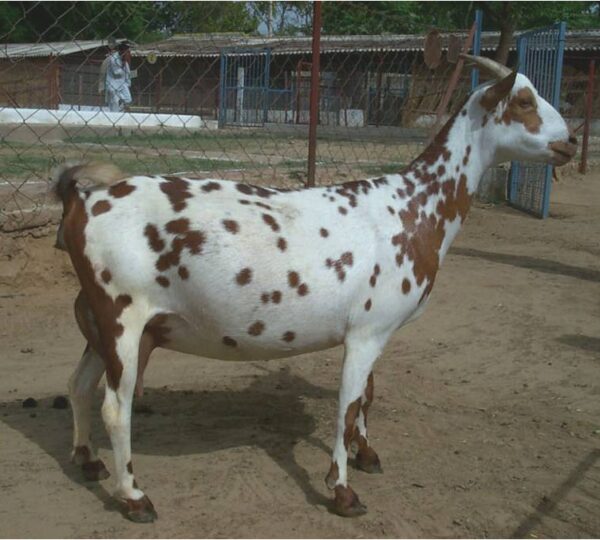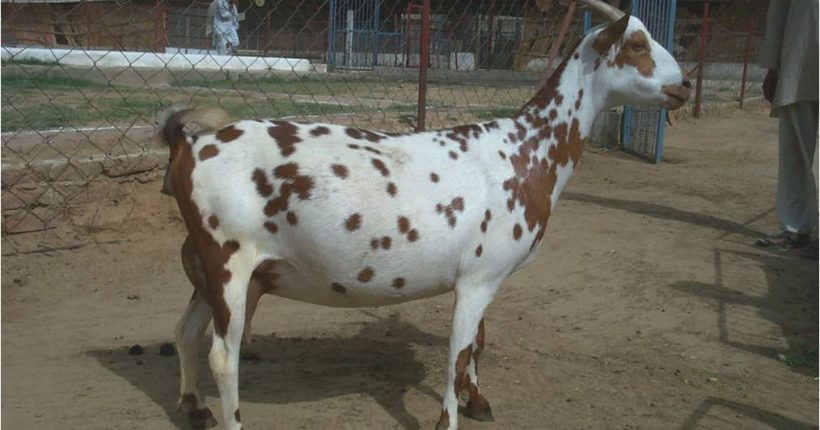
الماعز الشامي (Shami): يجمع بين الإنتاج الجيد للحليب و القدرة على التكيّف مع الظروف البيئية المتنوعة

A Comprehensive Guide to the Specifications and Characteristics of Shami Goats

Introduction

The Shami goat is one of the most well-known goat breeds in the Middle East, particularly in the Levant region, which includes Syria, Lebanon, Jordan, and Palestine.

This breed is distinguished by unique characteristics that have made it highly valued among breeders. It combines strong milk production, adaptability to diverse environmental conditions, and a striking physical appearance.

This guide provides a detailed overview of the specifications and characteristics of Shami goats, serving as a comprehensive reference for anyone interested in learning about or raising this distinctive breed.

Origin and Geographic Distribution

The Shami goat is an ancient breed that originated in the Levant region. Over the centuries, it spread to other countries through trade and migration, yet it still maintains a strong presence in Syria and Lebanon in particular.

Locally, it is sometimes referred to as “Damascus goat” or “Aleppo goat,” named after well-known cities in Syria.

Physical Characteristics of Shami Goats

Size and Build: Adult male Shami goats typically weigh between 65 to 90 kg, while females range between 50 to 70 kg. They have a strong, well-proportioned body with a tall and elegant structure.

Head: The head is relatively large, with a broad forehead and a curved (Roman) nose in most cases. The eyes are wide and bright.

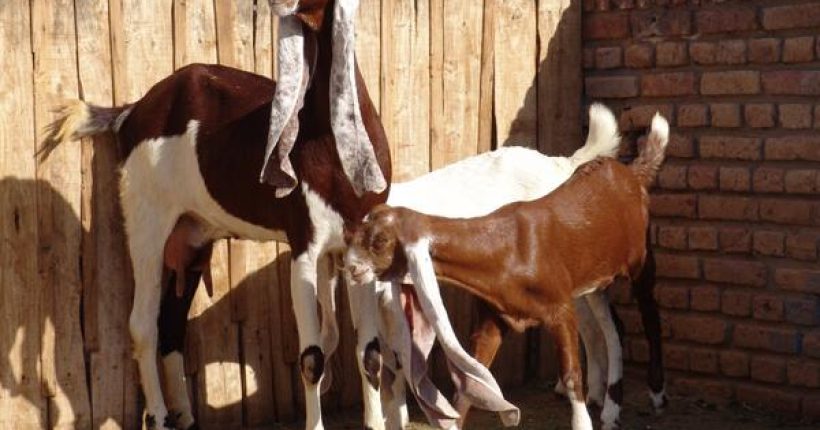
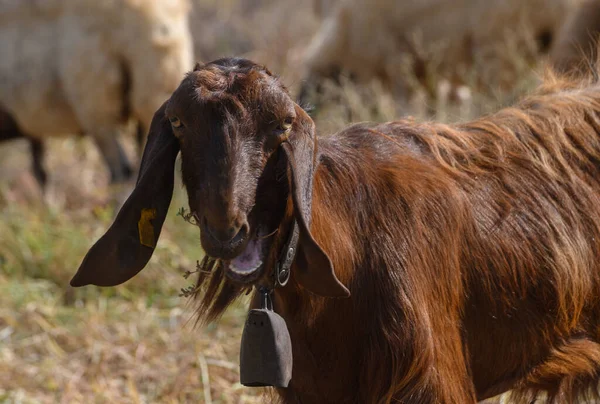
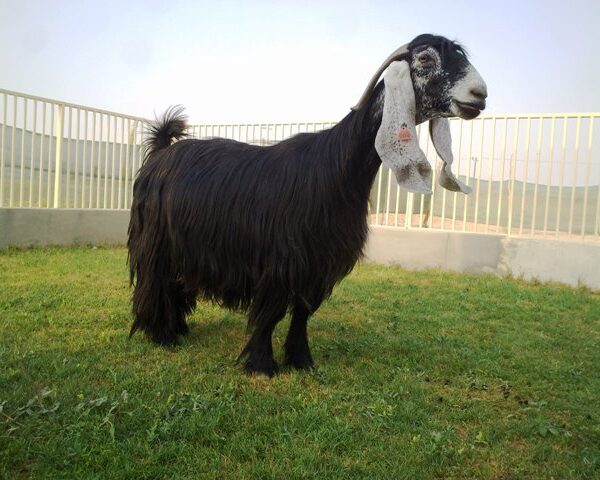
Ears: One of the most distinctive features, the ears are long and pendulous, often exceeding 30 cm in length, adding to their unique appearance.

Horns: Most Shami goats are naturally polled (hornless), but if present, the horns are usually small and not prominent.

Coat and Skin: The coat is generally short and smooth, with colors ranging from white, cream, brown, black, or mixed patterns. The skin is thin and flexible.

Neck and Body: The neck is long and strong, while the body is elongated with a broad chest, straight back, and sturdy legs.

Tail: The tail is short and typically held upright.

خصائص الإنتاج

إنتاج الحليب

Shami goats are well known for their high milk yield. Under optimal conditions, daily production ranges from 2 to 5 liters, with some exceptional females producing even more.

Their milk is rich in flavor and texture, with a relatively high fat content (approximately 4% to 6%), making it ideal for dairy products such as cheese and yogurt.

إنتاج اللحوم

Although primarily raised for milk, Shami goats also produce good-quality meat due to their large body size and relatively fast growth rate, especially in males raised for fattening.

الخصوبة والتكاثر

Shami goats have high fertility rates. Females can reproduce more than once a year under proper management.

The gestation period lasts approximately five months (around 150 days), and females commonly give birth to twins or more, which enhances their economic value.

Behavioral Characteristics

Social and playful animals that are easy to handle and train.

They produce distinctive vocal sounds and respond quickly to their breeder.

Intelligent and capable of adapting quickly to daily routines.

Generally calm compared to other breeds, with good tolerance to environmental stress.

Adaptability to Environment

Shami goats are highly adaptable and can tolerate both high and low temperatures. They also show good resistance to diseases when provided with proper nutrition and healthcare.

This adaptability makes them a preferred choice for breeders in regions with harsh or variable climates.

Management and Care Requirements

Feeding: Requires a balanced diet rich in protein, fiber, and minerals, along with constant access to clean water.

Housing: Should be raised in well-ventilated shelters with protection from rain, wind, and extreme heat.

Healthcare: Preventive care includes regular vaccinations and routine health checks.

Breeding: Selecting strong and healthy males and females is essential to maintain desirable genetic traits.

Economic Importance

Shami goats represent an important source of income due to their high milk production, multiple births, and rapid growth.

There is strong demand for their milk and meat in regional markets, in addition to the use of their skin and hair in traditional industries.

Common Challenges

Increased risk of infectious diseases if proper healthcare practices are not followed.

Reduced productivity due to poor nutrition or lack of essential nutrients.

Limited natural grazing in some regions may affect growth and production.

Crossbreeding with non-local breeds may lead to loss of original genetic traits.

Genetic Lines

Shami goats include several genetic lines such as Aleppo, Damascus, and local types. While they may differ slightly in appearance and productivity, they share core traits such as milk quality and resilience.

Tips for New Breeders

Select young goats from reliable and certified sources.

Focus on proper nutrition and regular health monitoring.

Observe behavioral and physical changes to detect health issues early.

Avoid uncontrolled breeding to preserve the purity of the breed.

خاتمة

The Shami goat is a unique breed that combines beauty and productivity, making it a smart choice for farmers looking to invest in the livestock sector.

Proper care and nutrition ensure the sustainability of its high productivity, while this breed offers strong economic opportunities and contributes to local food security.

كل ما تحتاج لمعرفته عن الماعز الشامي: سماته، فوائده، وأسراره

مقدمة

يُعد الماعز الشامي من أشهر سلالات الماعز في منطقة الشرق الأوسط، وخصوصًا في بلاد الشام التي تضم سوريا، لبنان، الأردن وفلسطين. تميّز هذا النوع من الماعز بخصائص فريدة جعلته محل اهتمام المربين، حيث يجمع بين الإنتاج الجيد للحليب، القدرة على التكيّف مع الظروف البيئية المتنوعة، والشكل الجمالي اللافت. هذا الدليل يقدم نظرة تفصيلية حول مواصفات وخصائص الماعز الشامي، ليكون مرجعًا شاملًا لكل من يود التعرّف على هذه السلالة المميزة أو تربيتها.

الأصل والتوزيع الجغرافي

الماعز الشامي هو سلالة قديمة تعود أصولها إلى منطقة بلاد الشام. انتقلت هذه السلالة عبر القرون إلى بلدان أخرى بفعل التبادل التجاري والهجرات، لكنها لا تزال تحتفظ بمكانتها المميزة في سوريا ولبنان على وجه الخصوص. ويعرف محليًا في بعض المناطق بأسماء مثل "الدمشقي" أو "الحلبي" نسبة إلى مدن شهيرة في سوريا.

الخصائص الشكلية للماعز الشامي

الحجم والبنية: يتراوح وزن ذكر الماعز الشامي البالغ بين 65 و 90 كجم، بينما يتراوح وزن الأنثى بين 50 و 70 كجم. الماعز الشامي ذو بنية قوية ومتناسقة، ويظهر عليه الطول والانسيابية.

الرأس: للرأس حجم كبير نسبيًا، مع جبهة عريضة وأنف مقوس في معظم الحالات. العيون واسعة ولامعة، والأذنان طويلتان ومتدليتان بشكل واضح، وقد يصل طول الأذن الواحدة إلى أكثر من 30 سم.

الأذنان: علامة فارقة للماعز الشامي، حيث تتدلى بطريقة جمالية على جانبي الرأس، مما يزيد من جاذبية مظهره.

القرون: غالبية الماعز الشامي خالي من القرون (أقرع)، وإن وجدت فهي قصيرة وغير بارزة.

الشعر والجلد: يغطي جسمه شعر ناعم وقصير غالبًا، تتنوع ألوانه بين الأبيض، والكريمي، والبني، والأسود أو خليط بينها. الجلد رقيق ومرن.

الرقبة والجسم: الرقبة طويلة وقوية، أما الجسم فهو ممتد وواسع الصدر، مع ظهر مستقيم وأطراف متينة.

الذيل: الذيل قصير ومرفوع غالبًا للأعلى.

الخصائص الإنتاجية للماعز الشامي

إنتاج الحليب

يشتهر الماعز الشامي بقدرته العالية على إنتاج الحليب. يمكن أن تتراوح كمية الحليب المنتجة يوميًا من 2 إلى 5 لترات في الظروف المثالية، وقد تصل بعض الإناث المتميزة إلى أكثر من ذلك. يتميز الحليب بمذاقه الغني وقوامه الكثيف، ونسبة الدهون فيه مرتفعة نسبيًا (4% إلى 6%)، ما يجعله مثاليًا لصناعة الأجبان والألبان.

إنتاج اللحم

بالرغم من أن الماعز الشامي يُربى أساسًا للحليب، إلا أن إنتاجه من اللحم يُعد جيدًا بسبب حجم جسمه الكبير وسرعة نموه، خاصة لدى الذكور المخصصة للتسمين.

الخصوبة والتكاثر

تتمتع إناث الماعز الشامي بمعدلات خصوبة مرتفعة، وهي قادرة على الإنجاب أكثر من مرة في السنة إذا توفرت لها الرعاية الجيدة. مدة الحمل حوالي خمسة أشهر (150 يومًا تقريبًا)، وغالبًا ما تضع الأنثى توائم (اثنين أو أكثر)، ما يعزز من الجدوى الاقتصادية لتربيتها.

الخصائص السلوكية للماعز الشامي

حيوانات اجتماعية ومرحة، يسهل التعامل معها وتدريبها.

تصدر أصواتًا مميزة وتستجيب بسرعة لصوت المربي.

تتميز بالذكاء وسرعة التعوّد على الروتين اليومي في الحظيرة.

تتسم بالهدوء النسبي مقارنة بسلالات أخرى، كما أن قدرتها على تحمل الضغوط البيئية عالية.

القدرة على التكيّف مع البيئة

يستطيع الماعز الشامي التكيّف مع مختلف الظروف البيئية، فهو يتحمل درجات الحرارة العالية والمنخفضة، ويقاوم الأمراض بشكل جيد إذا توفرت له الرعاية الصحية والتغذية المناسبة. هذا التكيّف جعله من الخيارات المفضلة للمربين في المناطق ذات المناخ القاسي أو المتقلب.

متطلبات التربية والرعاية

التغذية: يحتاج الماعز الشامي إلى تغذية متوازنة غنية بالبروتين والألياف والمعادن، مع توفير مياه نظيفة باستمرار.

المأوى: يجب أن يُربى في حظائر جيدة التهوية، مع حماية من الأمطار والرياح والحرارة الشديدة.

الرعاية الصحية: تتطلب الوقاية من الأمراض توفير برامج تطعيم دورية وفحص طبي منتظم.

التكاثر: يُنصح باختيار ذكور وإناث سليمة وقوية لضمان صفات وراثية جيدة للأجيال التالية.

المزايا الاقتصادية للماعز الشامي

يمثل الماعز الشامي مصدر دخل مهم للمزارعين بسبب كثرة إنتاجه من الحليب والتوائم وسرعة نموه. كما أن الطلب على حليبه ولحمه عالٍ في الأسواق العربية، بالإضافة إلى الاستفادة من الجلود والشعر في الصناعات التقليدية.

التحديات والمشكلات الشائعة

تعرّض بعض القطعان للأمراض المعدية إذا لم تتبع أسس الرعاية الصحية.

تأثر الإنتاج سلبًا في حال سوء التغذية أو نقص العناصر الأساسية.

قلة المراعي الطبيعية في بعض المناطق قد تؤثر على معدلات النمو والإنتاج.

أحيانًا انتشار التهجين مع سلالات غير محلية مما يفقد السلالة بعض خصائصها الأصيلة.

أشهر الخطوط الوراثية للماعز الشامي

يتميز الماعز الشامي بعدة خطوط وراثية منها الحلبي والدمشقي والبلدي، ولكل منها مميزات شكلية وإنتاجية بسيطة، إلا أن الأصل الوراثي يجمعها على صفات عامة أهمها جودة الحليب والتحمل.

نصائح للمربين الجدد

اختيار صغار الماعز من مصادر موثوقة ومزارع معتمدة لضمان الصفات النقية.

الاهتمام بالتغذية الجيدة منذ الصغر مع المتابعة الصحية الدورية.

ملاحظة التغيرات السلوكية أو الصحية باستمرار للتدخل الطبي السريع عند الحاجة.

عدم المبالغة في التزاوج العشوائي للحفاظ على نقاوة السلالة.

خاتمة

الماعز الشامي سلالة فريدة تجمع بين الجمال والإنتاجية، وهي خيار ذكي للمزارع الذي يسعى للاستثمار في قطاع الثروة الحيوانية. الاهتمام بالرعاية والتغذية يضمن الحفاظ على جودة السلالة واستمرارية إنتاجها العالي، بينما توفر هذه السلالة فرصًا اقتصادية كبيرة ومساهمة في الأمن الغذائي المحلي.
العلامات:

Share:

الماعز الشامي (Shami): يجمع بين الإنتاج الجيد للحليب و القدرة على التكيّف مع الظروف البيئية المتنوعة

A Comprehensive Guide to the Specifications and Characteristics of Shami Goats

Introduction

The Shami goat is one of the most well-known goat breeds in the Middle East, particularly in the Levant region, which includes Syria, Lebanon, Jordan, and Palestine.

This breed is distinguished by unique characteristics that have made it highly valued among breeders. It combines strong milk production, adaptability to diverse environmental conditions, and a striking physical appearance.

This guide provides a detailed overview of the specifications and characteristics of Shami goats, serving as a comprehensive reference for anyone interested in learning about or raising this distinctive breed.

Origin and Geographic Distribution

The Shami goat is an ancient breed that originated in the Levant region. Over the centuries, it spread to other countries through trade and migration, yet it still maintains a strong presence in Syria and Lebanon in particular.

Locally, it is sometimes referred to as “Damascus goat” or “Aleppo goat,” named after well-known cities in Syria.

Physical Characteristics of Shami Goats

Size and Build: Adult male Shami goats typically weigh between 65 to 90 kg, while females range between 50 to 70 kg. They have a strong, well-proportioned body with a tall and elegant structure.

Head: The head is relatively large, with a broad forehead and a curved (Roman) nose in most cases. The eyes are wide and bright.

Ears: One of the most distinctive features, the ears are long and pendulous, often exceeding 30 cm in length, adding to their unique appearance.

Horns: Most Shami goats are naturally polled (hornless), but if present, the horns are usually small and not prominent.

Coat and Skin: The coat is generally short and smooth, with colors ranging from white, cream, brown, black, or mixed patterns. The skin is thin and flexible.

Neck and Body: The neck is long and strong, while the body is elongated with a broad chest, straight back, and sturdy legs.

Tail: The tail is short and typically held upright.

خصائص الإنتاج

إنتاج الحليب

Shami goats are well known for their high milk yield. Under optimal conditions, daily production ranges from 2 to 5 liters, with some exceptional females producing even more.

Their milk is rich in flavor and texture, with a relatively high fat content (approximately 4% to 6%), making it ideal for dairy products such as cheese and yogurt.

إنتاج اللحوم

Although primarily raised for milk, Shami goats also produce good-quality meat due to their large body size and relatively fast growth rate, especially in males raised for fattening.

الخصوبة والتكاثر

Shami goats have high fertility rates. Females can reproduce more than once a year under proper management.

The gestation period lasts approximately five months (around 150 days), and females commonly give birth to twins or more, which enhances their economic value.

Behavioral Characteristics

Social and playful animals that are easy to handle and train.

They produce distinctive vocal sounds and respond quickly to their breeder.

Intelligent and capable of adapting quickly to daily routines.

Generally calm compared to other breeds, with good tolerance to environmental stress.

Adaptability to Environment

Shami goats are highly adaptable and can tolerate both high and low temperatures. They also show good resistance to diseases when provided with proper nutrition and healthcare.

This adaptability makes them a preferred choice for breeders in regions with harsh or variable climates.

Management and Care Requirements

Feeding: Requires a balanced diet rich in protein, fiber, and minerals, along with constant access to clean water.

Housing: Should be raised in well-ventilated shelters with protection from rain, wind, and extreme heat.

Healthcare: Preventive care includes regular vaccinations and routine health checks.

Breeding: Selecting strong and healthy males and females is essential to maintain desirable genetic traits.

Economic Importance

Shami goats represent an important source of income due to their high milk production, multiple births, and rapid growth.

There is strong demand for their milk and meat in regional markets, in addition to the use of their skin and hair in traditional industries.

Common Challenges

Increased risk of infectious diseases if proper healthcare practices are not followed.

Reduced productivity due to poor nutrition or lack of essential nutrients.

Limited natural grazing in some regions may affect growth and production.

Crossbreeding with non-local breeds may lead to loss of original genetic traits.

Genetic Lines

Shami goats include several genetic lines such as Aleppo, Damascus, and local types. While they may differ slightly in appearance and productivity, they share core traits such as milk quality and resilience.

Tips for New Breeders

Select young goats from reliable and certified sources.

Focus on proper nutrition and regular health monitoring.

Observe behavioral and physical changes to detect health issues early.

Avoid uncontrolled breeding to preserve the purity of the breed.

خاتمة

The Shami goat is a unique breed that combines beauty and productivity, making it a smart choice for farmers looking to invest in the livestock sector.

Proper care and nutrition ensure the sustainability of its high productivity, while this breed offers strong economic opportunities and contributes to local food security.

كل ما تحتاج لمعرفته عن الماعز الشامي: سماته، فوائده، وأسراره

مقدمة

يُعد الماعز الشامي من أشهر سلالات الماعز في منطقة الشرق الأوسط، وخصوصًا في بلاد الشام التي تضم سوريا، لبنان، الأردن وفلسطين. تميّز هذا النوع من الماعز بخصائص فريدة جعلته محل اهتمام المربين، حيث يجمع بين الإنتاج الجيد للحليب، القدرة على التكيّف مع الظروف البيئية المتنوعة، والشكل الجمالي اللافت. هذا الدليل يقدم نظرة تفصيلية حول مواصفات وخصائص الماعز الشامي، ليكون مرجعًا شاملًا لكل من يود التعرّف على هذه السلالة المميزة أو تربيتها.

الأصل والتوزيع الجغرافي

الماعز الشامي هو سلالة قديمة تعود أصولها إلى منطقة بلاد الشام. انتقلت هذه السلالة عبر القرون إلى بلدان أخرى بفعل التبادل التجاري والهجرات، لكنها لا تزال تحتفظ بمكانتها المميزة في سوريا ولبنان على وجه الخصوص. ويعرف محليًا في بعض المناطق بأسماء مثل "الدمشقي" أو "الحلبي" نسبة إلى مدن شهيرة في سوريا.

الخصائص الشكلية للماعز الشامي

الحجم والبنية: يتراوح وزن ذكر الماعز الشامي البالغ بين 65 و 90 كجم، بينما يتراوح وزن الأنثى بين 50 و 70 كجم. الماعز الشامي ذو بنية قوية ومتناسقة، ويظهر عليه الطول والانسيابية.

الرأس: للرأس حجم كبير نسبيًا، مع جبهة عريضة وأنف مقوس في معظم الحالات. العيون واسعة ولامعة، والأذنان طويلتان ومتدليتان بشكل واضح، وقد يصل طول الأذن الواحدة إلى أكثر من 30 سم.

الأذنان: علامة فارقة للماعز الشامي، حيث تتدلى بطريقة جمالية على جانبي الرأس، مما يزيد من جاذبية مظهره.

القرون: غالبية الماعز الشامي خالي من القرون (أقرع)، وإن وجدت فهي قصيرة وغير بارزة.

الشعر والجلد: يغطي جسمه شعر ناعم وقصير غالبًا، تتنوع ألوانه بين الأبيض، والكريمي، والبني، والأسود أو خليط بينها. الجلد رقيق ومرن.

الرقبة والجسم: الرقبة طويلة وقوية، أما الجسم فهو ممتد وواسع الصدر، مع ظهر مستقيم وأطراف متينة.

الذيل: الذيل قصير ومرفوع غالبًا للأعلى.

الخصائص الإنتاجية للماعز الشامي

إنتاج الحليب

يشتهر الماعز الشامي بقدرته العالية على إنتاج الحليب. يمكن أن تتراوح كمية الحليب المنتجة يوميًا من 2 إلى 5 لترات في الظروف المثالية، وقد تصل بعض الإناث المتميزة إلى أكثر من ذلك. يتميز الحليب بمذاقه الغني وقوامه الكثيف، ونسبة الدهون فيه مرتفعة نسبيًا (4% إلى 6%)، ما يجعله مثاليًا لصناعة الأجبان والألبان.

إنتاج اللحم

بالرغم من أن الماعز الشامي يُربى أساسًا للحليب، إلا أن إنتاجه من اللحم يُعد جيدًا بسبب حجم جسمه الكبير وسرعة نموه، خاصة لدى الذكور المخصصة للتسمين.

الخصوبة والتكاثر

تتمتع إناث الماعز الشامي بمعدلات خصوبة مرتفعة، وهي قادرة على الإنجاب أكثر من مرة في السنة إذا توفرت لها الرعاية الجيدة. مدة الحمل حوالي خمسة أشهر (150 يومًا تقريبًا)، وغالبًا ما تضع الأنثى توائم (اثنين أو أكثر)، ما يعزز من الجدوى الاقتصادية لتربيتها.

الخصائص السلوكية للماعز الشامي

حيوانات اجتماعية ومرحة، يسهل التعامل معها وتدريبها.

تصدر أصواتًا مميزة وتستجيب بسرعة لصوت المربي.

تتميز بالذكاء وسرعة التعوّد على الروتين اليومي في الحظيرة.

تتسم بالهدوء النسبي مقارنة بسلالات أخرى، كما أن قدرتها على تحمل الضغوط البيئية عالية.

القدرة على التكيّف مع البيئة

يستطيع الماعز الشامي التكيّف مع مختلف الظروف البيئية، فهو يتحمل درجات الحرارة العالية والمنخفضة، ويقاوم الأمراض بشكل جيد إذا توفرت له الرعاية الصحية والتغذية المناسبة. هذا التكيّف جعله من الخيارات المفضلة للمربين في المناطق ذات المناخ القاسي أو المتقلب.

متطلبات التربية والرعاية

التغذية: يحتاج الماعز الشامي إلى تغذية متوازنة غنية بالبروتين والألياف والمعادن، مع توفير مياه نظيفة باستمرار.

المأوى: يجب أن يُربى في حظائر جيدة التهوية، مع حماية من الأمطار والرياح والحرارة الشديدة.

الرعاية الصحية: تتطلب الوقاية من الأمراض توفير برامج تطعيم دورية وفحص طبي منتظم.

التكاثر: يُنصح باختيار ذكور وإناث سليمة وقوية لضمان صفات وراثية جيدة للأجيال التالية.

المزايا الاقتصادية للماعز الشامي

يمثل الماعز الشامي مصدر دخل مهم للمزارعين بسبب كثرة إنتاجه من الحليب والتوائم وسرعة نموه. كما أن الطلب على حليبه ولحمه عالٍ في الأسواق العربية، بالإضافة إلى الاستفادة من الجلود والشعر في الصناعات التقليدية.

التحديات والمشكلات الشائعة

تعرّض بعض القطعان للأمراض المعدية إذا لم تتبع أسس الرعاية الصحية.

تأثر الإنتاج سلبًا في حال سوء التغذية أو نقص العناصر الأساسية.

قلة المراعي الطبيعية في بعض المناطق قد تؤثر على معدلات النمو والإنتاج.

أحيانًا انتشار التهجين مع سلالات غير محلية مما يفقد السلالة بعض خصائصها الأصيلة.

أشهر الخطوط الوراثية للماعز الشامي

يتميز الماعز الشامي بعدة خطوط وراثية منها الحلبي والدمشقي والبلدي، ولكل منها مميزات شكلية وإنتاجية بسيطة، إلا أن الأصل الوراثي يجمعها على صفات عامة أهمها جودة الحليب والتحمل.

نصائح للمربين الجدد

اختيار صغار الماعز من مصادر موثوقة ومزارع معتمدة لضمان الصفات النقية.

الاهتمام بالتغذية الجيدة منذ الصغر مع المتابعة الصحية الدورية.

ملاحظة التغيرات السلوكية أو الصحية باستمرار للتدخل الطبي السريع عند الحاجة.

عدم المبالغة في التزاوج العشوائي للحفاظ على نقاوة السلالة.

خاتمة

الماعز الشامي سلالة فريدة تجمع بين الجمال والإنتاجية، وهي خيار ذكي للمزارع الذي يسعى للاستثمار في قطاع الثروة الحيوانية. الاهتمام بالرعاية والتغذية يضمن الحفاظ على جودة السلالة واستمرارية إنتاجها العالي، بينما توفر هذه السلالة فرصًا اقتصادية كبيرة ومساهمة في الأمن الغذائي المحلي.
العلامات:

Share:

قد يعجبك أيضًا

A Comprehensive Guide to the Specifications and Characteristics of Hejazi Goats Introduction The Hejazi goat is one of the most...
A Comprehensive Guide to the Specifications and Characteristics of Salali Goats Introduction The Salali goat, also known in some regions...
A Comprehensive Guide to the Specifications and Characteristics of Angus Cattle Introduction Angus cattle are among the most popular and...